
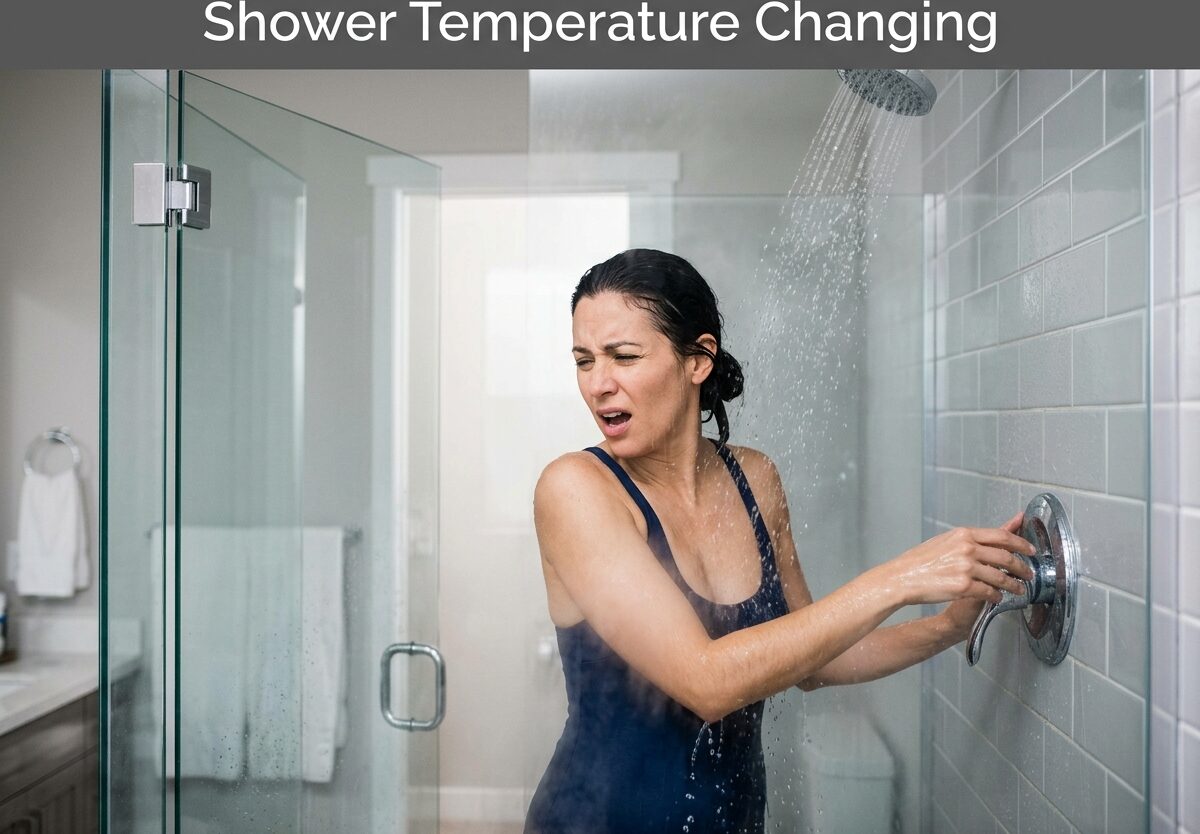
There’s nothing worse than settling into a warm shower, only to be shocked by freezing cold or scalding hot water. Shower temperature changing is a frustrating problem that affects homeowners everywhere, and I’ve seen it ruin more morning routines than I can count.
After researching hundreds of plumbing discussions and consulting with professionals, I’ve learned that inconsistent shower water temperature usually points to specific, fixable issues. Let me walk you through what’s happening and how to resolve it.
What is Shower Temperature Changing?
Shower temperature changing refers to unexpected fluctuations between hot and cold water during your shower. This can happen suddenly or gradually, making it impossible to maintain a comfortable temperature.
The issue typically stems from problems with your shower’s mixing system—either the pressure balancing valve, thermostatic mixing valve, or water heater itself. When these components fail or malfunction, they can’t maintain the proper ratio of hot to cold water.
What makes shower temperature changing particularly frustrating is how unpredictable it can be. Some people experience random temperature swings, while others notice changes only when certain appliances run elsewhere in the house.
Shower Temperature Changing: Common Causes
Understanding what’s behind your shower temperature problems starts with identifying the root cause. Based on my research and professional consultations, here are the most common culprits.
Faulty Pressure Balancing Cartridge
A pressure balancing valve is designed to maintain water temperature even when pressure changes elsewhere in your plumbing system. The cartridge inside this valve can wear out over time, typically after 8-12 years of use.
When the pressure balancing cartridge fails, you’ll notice temperature changes when someone flushes a toilet, runs a dishwasher, or starts another shower. The valve can no longer compensate for the pressure drop in the cold water line, resulting in a sudden surge of hot water.
This is actually a safety feature gone wrong—the scald guard is trying to protect you, but a worn cartridge makes it overcompensate. Replacing the cartridge usually solves the problem completely.
Failed Thermostatic Mixing Valve
Unlike pressure balancing valves that respond to pressure changes, thermostatic mixing valves (TMVs) actively monitor and adjust water temperature. These are more advanced and typically found in newer homes or higher-end installations.
When a TMV fails, the shower temperature changing becomes more erratic and unpredictable. You might experience hot or cold surges even when no other water is being used in the house. The internal wax element or sensor can fail, causing the valve to stop regulating temperature properly.
TMVs generally last 10-15 years but can fail sooner in homes with hard water or high mineral content. The good news is that replacement TMVs have improved significantly in recent years.
Water Heater Problems
Your water heater itself might be the source of shower temperature issues. Several specific water heater problems can cause inconsistent temperatures:
A failing dip tube is a common culprit in traditional tank water heaters. The dip tube directs cold incoming water to the bottom of the tank for heating. When it breaks or deteriorates, cold water mixes directly with hot water at the top, resulting in lukewarm or suddenly cold showers.
Tankless water heater users often experience something called the “cold water sandwich effect.” This happens when hot water remaining in the pipes from a previous use mixes with cold water before the tankless unit can ramp up heating again. It’s particularly noticeable in quick on-off shower cycles.
Sediment buildup in tank water heaters can also cause temperature inconsistency. As sediment accumulates at the bottom of the tank, it reduces the available hot water volume and can cause the heater to cycle on and off unpredictably.
Competing Water Demands
This is one of the most common causes of shower temperature changing, and it’s especially noticeable in older homes with smaller diameter pipes. When someone flushes a toilet, runs the dishwasher, or starts a laundry cycle while you’re showering, the pressure drop affects your water temperature.
The issue occurs because the shower valve tries to balance hot and cold water based on pressure. When cold water pressure drops (due to a toilet fill valve, for example), the ratio shifts toward hot water. This is actually why pressure balancing valves were invented—they’re supposed to prevent exactly this problem.
Homes with larger supply pipes (3/4 inch or larger) are less susceptible to this issue, but older homes with 1/2 inch piping will notice it significantly. Upgrading pipe size can help, but replacing your shower valve is often more practical.
Seasonal Temperature Variations
Here’s a factor many homeowners don’t consider: the temperature of your incoming cold water changes throughout the year. In winter, groundwater can be 30-40°F colder than in summer.
This matters because your shower valve is calibrated to mix hot and cold water in specific ratios. When incoming cold water temperature drops significantly during winter months, the same mix ratio produces warmer water than intended. The opposite happens in summer—your shower might feel cooler even on the same setting.
This seasonal effect is especially noticeable with pressure balancing valves, which don’t actively measure temperature like thermostatic valves do. You might need to adjust your shower setting seasonally to compensate for these changes.
Blocked Showerhead
An often-overlooked cause of shower temperature changing is a partially blocked showerhead. Mineral buildup from hard water can restrict water flow, which affects how the mixing valve operates.
Low-flow showerheads are particularly sensitive to this problem. When water flow is restricted, the mixing valve may not receive accurate pressure signals, causing it to deliver water at inconsistent temperatures. The valve might cycle between too hot and too cold as it tries to find the right balance.
Cleaning your showerhead regularly or replacing a severely clogged one can resolve this issue. If you have hard water, consider installing a water softener to prevent mineral buildup throughout your plumbing system.
How to Fix Shower Temperature Changing: Troubleshooting Steps
Before calling a plumber, try these diagnostic steps to identify the source of your shower temperature problems. I recommend working through them in order, starting with the simplest checks.
Step 1: Isolate the Problem
First, determine if the issue affects only one shower or multiple fixtures in your home. Test the shower at different times of day and when other appliances are running vs. when they’re not.
If only one shower has temperature issues while others work fine, the problem is likely localized to that shower’s valve or cartridge. If all showers have problems, your water heater or main supply lines might be the culprit.
Step 2: Check for Competing Water Usage
Pay attention to when the temperature changes happen. Does it occur when someone flushes a toilet or starts the washing machine? If yes, your pressure balancing valve may be worn out or missing entirely.
Try this test: turn on your shower to your preferred temperature, then have someone flush a toilet. If the temperature swings dramatically, you likely need to replace your shower valve or install a pressure balancing valve if you don’t have one.
Step 3: Inspect Your Water Heater
Check your water heater’s temperature setting. It should be set between 120-125°F for safety and optimal performance. If it’s set too low, you’ll struggle to get consistently hot water.
For tank water heaters, listen for unusual sounds like popping or rumbling, which indicate sediment buildup. Check the age of your heater—if it’s over 12 years old and experiencing temperature issues, replacement might be more cost-effective than repair.
Tankless water heater owners should check for error codes on the unit’s display and ensure the filter is clean. Tankless units require annual maintenance to prevent the cold water sandwich effect.
Step 4: Test Your Showerhead
Remove your showerhead and run the water without it. If the temperature stabilizes, the showerhead was restricting flow and causing the mixing valve to malfunction. Clean the showerhead thoroughly or replace it if heavily clogged.
Step 5: Call a Professional for Valve Replacement
If you’ve narrowed the problem to a faulty shower valve or cartridge, this is typically a job for a professional plumber. Shower valve replacement involves turning off the main water supply, opening the wall, and properly installing the new valve with appropriate connections.
A plumber can also recommend upgrading from a basic pressure balancing valve to a thermostatic mixing valve for better temperature control. While more expensive, TMVs provide superior protection against scalding and temperature fluctuations.
Pressure Balancing Valve vs Thermostatic Mixing Valve
When addressing shower temperature changing, you’ll need to choose between two types of valves. Understanding the differences helps you make the right choice for your situation.
Pressure Balancing Valves maintain temperature by responding to pressure changes in hot and cold water lines. When pressure drops on one side, the valve adjusts to maintain the same ratio. They’re less expensive and work well for most homes, but they can’t compensate for actual temperature changes in the water supply.
Thermostatic Mixing Valves (TMVs) actively measure water temperature and adjust the mix accordingly. They’re more accurate and can compensate for both pressure and temperature changes. TMVs are especially valuable in homes with seasonal water temperature variations or tankless water heaters. They cost more but provide better protection against scalding.
For most homeowners dealing with shower temperature changing, a TMV is worth the additional investment. They provide more consistent temperature regardless of what’s happening elsewhere in your plumbing system.
Warning Signs Your Water Heater is Failing
Sometimes shower temperature changing is a symptom of a failing water heater. Watch for these warning signs that indicate your water heater needs professional attention:
Inconsistent water temperature throughout the house, not just in the shower. If your kitchen sink also has temperature problems, the water heater is likely the culprit.
Reduced hot water capacity—if you’re running out of hot water faster than usual, sediment buildup or a failing heating element may be the cause.
Strange noises like rumbling, popping, or banging coming from the water heater tank. These sounds indicate sediment buildup that’s reducing efficiency and affecting temperature consistency.
Visible leaks or corrosion around the water heater. Even small leaks can affect pressure and temperature throughout your plumbing system.
Water that looks rusty or has a metallic smell. This indicates corrosion inside the tank that can affect temperature regulation and water quality.
If you notice any of these signs alongside shower temperature changing, have a professional inspect your water heater. Replacing a failing water heater before it completely fails can prevent emergency situations and water damage.
When to Call a Professional Plumber
While some shower temperature issues can be diagnosed and resolved by homeowners, certain situations require professional expertise. I recommend calling a plumber if:
The problem persists after you’ve tried basic troubleshooting. Sometimes multiple issues are contributing to the temperature fluctuations, and a professional can identify all the factors.
You’re uncomfortable working with plumbing systems or don’t have the necessary tools. Shower valve replacement requires shutting off the main water supply and opening walls, which is beyond many homeowners’ comfort level.
Your home has older plumbing with galvanized pipes. Older systems may have corrosion or pipe sizing issues that affect temperature consistency, and these require professional assessment.
The temperature changes are sudden and extreme. Rapid swings between scalding and freezing indicate a serious problem that should be addressed immediately to prevent injury.
Multiple showers or fixtures are affected. When the problem extends beyond one shower, it may indicate issues with your main supply lines or water heater that need professional diagnosis.
A qualified plumber can assess your entire plumbing system, recommend the best solutions for your specific situation, and ensure repairs are done correctly. While DIY fixes can save money in the short term, improper repairs can lead to more expensive problems down the road.
FAQs
How do you fix a fluctuating shower temperature?
Start by identifying whether the problem affects one shower or multiple fixtures. Test for competing water usage by having someone flush a toilet while you shower. If temperature swings occur, replace the pressure balancing cartridge or upgrade to a thermostatic mixing valve. Check for blocked showerheads and sediment buildup in your water heater. For valve replacement or complex issues, consult a professional plumber.
Can hot showers cause dizziness?
Yes, prolonged exposure to hot water can cause vasodilation, which leads to lowered blood pressure and potential dizziness. This risk increases for people with heart conditions, diabetes, or circulation issues. To prevent dizziness, keep shower temperature moderate (around 100-102°F), limit shower time to 10-15 minutes, and ensure adequate ventilation. If you experience frequent dizziness, consult a healthcare provider.
What is the cold water sandwich effect?
The cold water sandwich effect occurs with tankless water heaters when hot water remaining in pipes from previous use mixes with cold water before the unit can ramp up heating. You feel hot water briefly, then a burst of cold, then hot again as the tankless heater activates. This happens most often during quick on-off cycles like shower interruptions. Installing a small buffer tank or choosing a tankless unit with better modulation can reduce this effect.
What are the first signs of a water heater going bad?
Watch for inconsistent water temperature throughout your house, reduced hot water capacity, strange rumbling or popping noises from the tank, visible leaks or corrosion around the unit, and rusty or metallic-smelling water. If your water heater is over 12 years old and experiencing these symptoms, replacement is usually more cost-effective than repair. Annual maintenance can extend your water heater’s lifespan and prevent temperature inconsistency.
Why does shower temperature change when toilet is flushed?
When a toilet flushes, cold water flows to fill the tank, causing a pressure drop in the cold water line. Your shower valve tries to maintain the hot-cold ratio, but with less cold water pressure, the mix shifts toward hot. This is why older showers without pressure balancing valves can scald you when someone flushes. Modern pressure balancing valves and thermostatic mixing valves are designed to prevent this temperature fluctuation by compensating for pressure changes.
Conclusion
Shower temperature changing is more than just an annoyance—it can indicate real plumbing problems that need attention. Whether the issue is a worn pressure balancing cartridge, a failing thermostatic mixing valve, or water heater problems, identifying the root cause is the first step toward a solution.
Start with basic troubleshooting to isolate where the problem originates, then decide whether DIY fixes or professional help makes the most sense. For most homeowners, upgrading to a quality thermostatic mixing valve provides the best long-term protection against temperature fluctuations.
Remember that seasonal changes in incoming water temperature can also affect your shower, so minor adjustments throughout the year are normal. But if you’re experiencing dramatic or unpredictable temperature swings, don’t ignore the problem. Addressing shower temperature changing now can prevent more serious plumbing issues and ensure every shower is comfortable and safe.
Leave a Comment