
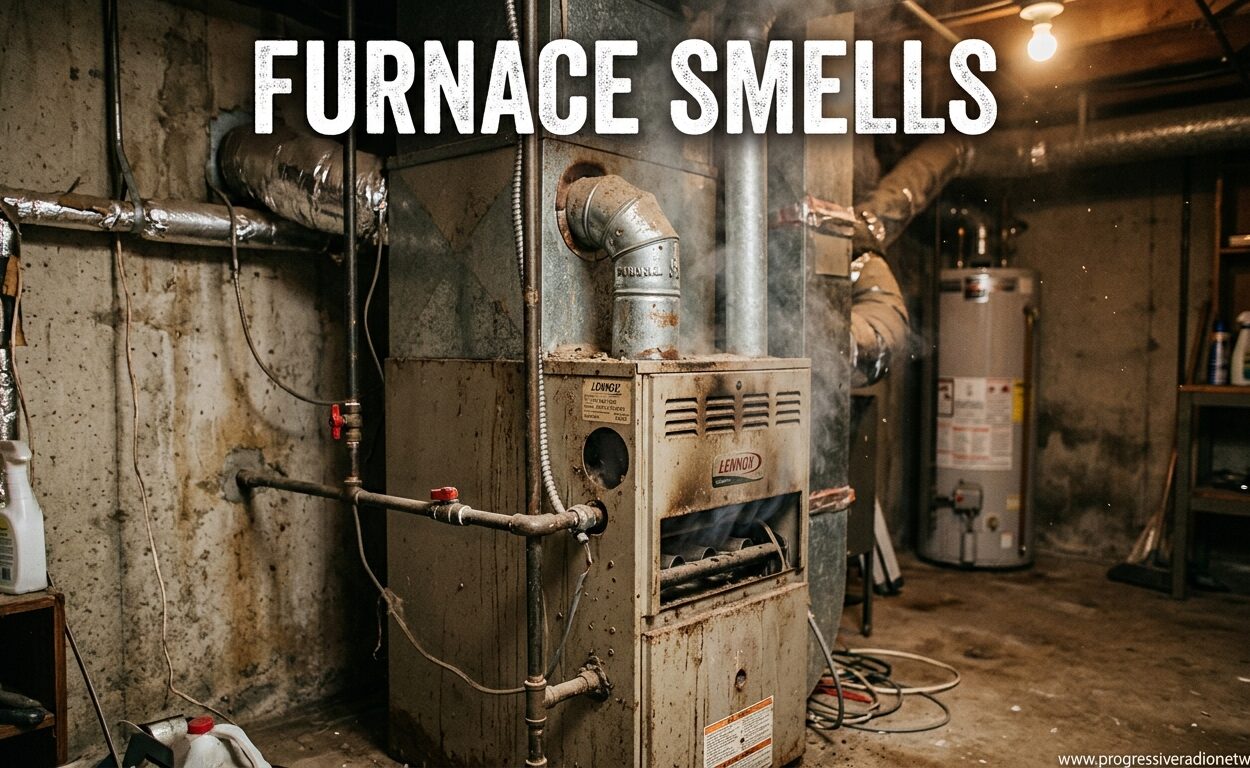
Unusual odors coming from your heating system can range from completely normal to serious safety hazards. Understanding what different furnace smells indicate helps you respond appropriately and protect your family from potential dangers like gas leaks, carbon monoxide exposure, or electrical fires.
I’ve researched the most common furnace odors homeowners encounter, consulted HVAC professionals, and analyzed real user experiences to create this comprehensive guide. Whether you’re dealing with a burning dust smell at the start of heating season or something more concerning like rotten eggs, this guide will help you identify the cause and know exactly what to do next.
Furnace Smells: Quick Reference Guide
Before diving into detailed explanations, here’s a quick overview of the most common furnace smells and what they typically indicate:
- Burning dust: Normal at first use of season, lasts 30 minutes to few hours
- Rotten egg/gas smell: Emergency – gas leak, evacuate immediately
- Burning plastic/electrical: Fire hazard – shut off furnace immediately
- Musty/moldy: Moisture problem in ductwork – professional cleaning needed
- Metallic: Heat exchanger crack – carbon monoxide danger, call professional
- Oil/fuel: Oil furnace burner issue – requires service
- Smoke: Flue or chimney problem – fire hazard, call professional
- Sewage: Sewer line issue near HVAC – plumber needed
- Dead animal: Animal in ductwork – removal required
- Chemical/new furnace: Factory coatings burning off – normal for first few uses
What Causes Furnace Smells?
Furnace smells occur when your heating system burns, overheats, or interacts with substances inside or around the unit. The specific odor often points directly to what’s happening inside your furnace or ductwork.
Some smells are completely normal and harmless, while others indicate serious problems that require immediate action. The key is knowing which is which.
Your furnace contains several components that can produce odors when something goes wrong: the burner, heat exchanger, blower motor, electrical wiring, air filter, and ductwork. Understanding which component might be causing the smell helps you communicate effectively with HVAC technicians if professional service is needed.
Burning Dust Smell (Normal First-Use)
A burning dust smell when you first turn on your furnace for the heating season is completely normal. During warmer months, dust settles on the heat exchanger, burners, and inside the ductwork. When the furnace fires up and heats these components, the accumulated dust burns off, creating a distinct dusty burning odor.
This smell typically lasts anywhere from 30 minutes to a few hours. If the burning dust smell persists beyond several hours or recurs throughout the heating season, it may indicate a dirty air filter or excessive dust buildup that needs attention.
What to do:
- Nothing – this is normal and harmless
- Open windows slightly for ventilation if the odor is strong
- Replace your air filter if it’s dirty
- Schedule annual maintenance before heating season begins to minimize dust buildup
When to be concerned: If the burning smell is accompanied by smoke, continues for more than a few hours, or has a chemical/plastic component, it’s not just dust and requires investigation.
Gas or Rotten Egg Smell (Emergency)
A rotten egg or sulfur smell coming from your furnace indicates a natural gas leak – this is an emergency that requires immediate action. Natural gas is odorless, but gas companies add a chemical called mercaptan to give it that distinctive rotten egg smell so leaks can be detected.
Gas leaks can cause explosions and carbon monoxide poisoning. If you smell rotten eggs near your furnace, DO NOT ignore it or assume it will go away.
Immediate steps:
- DO NOT turn any electrical switches on or off
- DO NOT use your phone inside the house
- DO NOT light matches or create any flames
- DO NOT start your car in an attached garage
- DO evacuate everyone from the home immediately
- DO leave doors open as you exit to ventilate the area
- DO call your gas company or 911 from a safe distance away
Important note: A very slight gas smell immediately when your furnace shuts off may be normal – this is just a small amount of unburnt gas in the heat exchanger being vented. However, if the smell is strong, persistent, or you’re unsure, treat it as an emergency and evacuate.
Burning Plastic or Electrical Smell
A burning plastic or electrical smell from your furnace signals overheating components or failing electrical parts. This is a fire hazard that requires immediate attention.
Causes can include:
- Overheating blower motor
- Failing capacitor or other electrical component
- Wire insulation melting due to loose connections
- Foreign object (like a toy) that has fallen into the ductwork and is melting
- Clogged air filter causing the system to overheat
What to do:
- Turn off your furnace immediately at the thermostat
- Check your air filter – replace if dirty
- Look for visible signs of melting or burning around the furnace unit
- Call an HVAC technician for inspection before restarting
Never ignore an electrical or plastic burning smell – these odors indicate a real fire risk that should be addressed before using the furnace again.
Musty or Moldy Smell
A musty or moldy odor when your furnace runs indicates moisture problems in your HVAC system. Mold spores circulating through your home can cause allergic reactions, respiratory issues, and other health problems.
Common causes include:
- Moisture buildup in the ductwork from condensation
- Leaky return ducts in crawlspaces or basements pulling in damp air
- Mold growth on the evaporator coil (in systems with air conditioning)
- Standing water near the furnace or in the ductwork
- Clogged condensate drain line
What to do:
- Replace your air filter – mold spores may be trapped there
- Inspect visible ductwork for signs of moisture or mold
- Check for standing water around the furnace unit
- Schedule professional duct cleaning and HVAC inspection
- Consider installing a UV light in the ductwork to kill mold spores
- Address any moisture issues in your crawlspace or basement
Health note: Mold in your HVAC system can make you sick with symptoms like coughing, wheezing, throat irritation, and aggravated asthma. If anyone in your household experiences these symptoms when the furnace runs, assume mold is present and seek professional help.
Metallic Smell
A metallic or chemical-like smell coming from your furnace often indicates a cracked heat exchanger. This is a serious issue that can lead to carbon monoxide leaking into your home’s air.
Heat exchangers can crack from normal wear and tear over time, or from thermal stress caused by frequent heating and cooling cycles. When the metal cracks, combustion gases (including carbon monoxide) can escape into the airflow that circulates through your home.
What to do:
- Turn off your furnace immediately
- Open windows for ventilation
- Test your carbon monoxide detectors (or install them if you don’t have any)
- Call an HVAC technician for emergency inspection
- Do not use the furnace until inspected and repaired
Important: A cracked heat exchanger cannot be repaired – the entire component must be replaced. This is an expensive repair, but operating a furnace with a cracked heat exchanger puts your family at risk of carbon monoxide poisoning.
Oil or Fuel Smell
An oil or fuel odor from an oil furnace indicates problems with the burner system. This smell should not be present during normal operation and requires attention.
Possible causes include:
- Oil leak in the fuel line or filter
- Clogged oil filter causing improper combustion
- Dirty or malfunctioning oil burner nozzle
- Improper burner adjustment
- Excess oil in the combustion chamber from previous failed starts
What to do:
- Check for visible oil leaks around the unit
- Look for oil puddles on the floor near the furnace
- Check your oil tank gauge to ensure proper fuel level
- Replace the oil filter if it’s been more than a year
- Call an oil furnace technician for burner service
Safety note: While less immediately dangerous than a gas leak, oil furnace issues should still be addressed promptly to prevent fire hazards and ensure efficient operation.
Smoke Smell
A smoke smell from your furnace indicates incomplete combustion or problems with your exhaust system. This is a fire hazard and carbon monoxide risk that requires immediate action.
Common causes include:
- Blocked or damaged flue pipe or chimney
- Bird or animal nest in the chimney
- Cracked heat exchanger (also causes metallic smell)
- Dirty burner causing incomplete combustion
- Blocked air intake vents
What to do:
- Turn off the furnace immediately
- Check your carbon monoxide detectors
- Inspect visible flue pipes for damage or blockage
- Check that air intake vents are clear of debris
- Call an HVAC technician – do not restart until inspected
Never ignore a smoke smell – even if you don’t see visible smoke, the odor indicates combustion gases aren’t venting properly.
Sewage Smell
A sewage odor when your furnace runs usually isn’t coming from the furnace itself, but from a sewer line issue near your HVAC system. This unpleasant smell can be pulled into your ductwork and distributed throughout your home.
Common causes include:
- Cracked or broken sewer line near ductwork
- Dry P-trap in condensate drain line
- Blocked sewer vent pipe on your roof
- Sewer gas leaking into crawlspace where ducts are located
What to do:
- Locate the source of the sewage smell if possible
- Pour water down floor drains to refill P-traps
- Check for cracked drain pipes near your furnace
- Inspect your roof sewer vent for blockages
- Call a plumber to locate and repair sewer line issues
- Note: Sewage gas contains methane and can be hazardous in large quantities. While typically not immediately dangerous at the levels that cause odors, persistent sewage smells should be addressed by a professional.
- Dead Animal Smell
- A decomposing animal odor when your furnace runs is unpleasant but indicates a real problem – an animal has died in or near your ductwork.
- Common scenarios include:
- Rodent or squirrel trapped in ductwork
- Bird in chimney or flue
- Animal nesting in return air ducts
- Dead animal in crawlspace near ductwork
- What to do:
- Try to locate the source of the smell (strongest area)
- Inspect visible ductwork for access points where animals could enter
- Check your chimney for animal activity
- Call an HVAC professional who can locate and remove the animal
- Have ducts cleaned and sealed to prevent future access
- Prevention: Seal all duct openings, install chimney caps, and inspect your attic/crawlspace regularly for signs of animal activity to prevent this unpleasant situation.
- New Furnace Smell
- A chemical or plastic smell from a new furnace is normal for the first few uses as factory coatings, oils, and residues burn off the components. This is sometimes called “off-gassing” and is similar to the new car smell.
- What to expect:
- Chemical, plastic, or paint-like odor
- Strongest during first 3-5 uses
- Should gradually diminish with each use
- Typically gone within 1-2 weeks of normal operation
- What to do:
- Open windows for ventilation during initial uses
- Run the furnace more frequently for shorter periods initially
- Avoid running at maximum temperature for extended periods initially
- If anyone experiences nausea or headaches, increase ventilation
- When to be concerned: If the chemical smell persists beyond 2-3 weeks, becomes stronger, or is accompanied by smoke, contact the installer. This may indicate a manufacturing defect or installation issue.
- When to Call a Professional HVAC Technician
- Some furnace issues require professional expertise. Call an HVAC technician if you experience any of the following:
- Gas or rotten egg smell (after evacuating, call gas company first)
- Persistent burning plastic or electrical smells after filter replacement
- Metallic smell indicating possible heat exchanger crack
- Smoke smell that doesn’t resolve quickly
- Musty odors that return after filter replacement
- Any smell that recurs after you’ve addressed obvious causes
- Sounds accompanying smells (banging, rattling, squealing)
- Furnace shutting off unexpectedly (short cycling)
- Higher than normal energy bills
- Professional HVAC technicians have the tools and expertise to diagnose problems that aren’t visible to the average homeowner. They can perform carbon monoxide testing, pressure tests on heat exchangers, and comprehensive inspections to ensure your furnace is operating safely.
- Preventing Furnace Smells Through Maintenance
- Most furnace smells can be prevented or minimized through regular maintenance. Here’s a maintenance schedule to keep your furnace running cleanly and safely:
- Monthly:
- Check and replace air filters as needed (every 1-3 months typically)
- Visually inspect the area around the furnace for debris
- Annually (before heating season):
- Schedule professional furnace inspection and tune-up
- Have ductwork professionally cleaned every 3-5 years
- Clean around the furnace unit – remove any stored items
- Test carbon monoxide detectors and replace batteries
- Inspect and clean vent pipes and chimney
- Check for any visible damage or corrosion
- Every 3-5 years:
- Professional duct cleaning
- Flue pipe inspection and cleaning
- Humidifier maintenance (if equipped)
- Investment: Annual maintenance typically costs $100-$200 but can prevent expensive repairs and extend your furnace’s lifespan by years. Many HVAC companies offer maintenance plans that include priority service and discounts on repairs.
- DIY maintenance: Between professional visits, keep the area around your furnace clean, don’t store anything flammable nearby, and change filters regularly. These simple steps prevent many common furnace odor issues.
- Carbon Monoxide Safety
- Carbon monoxide (CO) is an odorless, colorless gas produced by incomplete combustion. It’s deadly and can be produced by malfunctioning furnaces. Because you can’t see or smell CO, working CO detectors are essential.
- CO symptoms:
- Headache
- Dizziness
- Nausea
- Confusion
- Loss of consciousness (in high concentrations)
- CO detector placement:
- Install on every level of your home
- Place near sleeping areas
- Install near the furnace (but not within 5 feet to avoid false alarms)
- Don’t place near fuel-burning appliances or cooking areas
- Maintenance:
- Test CO detectors monthly
- Replace batteries at least annually
- Replace the entire unit every 5-7 years (check manufacturer guidelines)
- If your CO detector alarms:
- Evacuate everyone immediately
- Call 911 from outside
- Don’t re-enter until cleared by emergency responders
- Do not ignore the alarm – treat it as real
- Carbon monoxide poisoning kills hundreds of people annually. Don’t take chances – if you suspect CO, get out and call for help.
Is it safe to run a furnace if it smells?
Some furnace smells are safe while others indicate serious hazards. A burning dust smell at first use of season is normal and safe. However, rotten egg (gas), burning plastic/electrical, metallic, or smoke smells are NOT safe and require immediate action. Turn off the furnace for any smell other than slight burning dust until you identify the cause.
How to get rid of bad smell from furnace?
Start by replacing your air filter – this resolves many odor issues. For burning dust smells, run the furnace normally and the smell should dissipate within hours. For musty smells, schedule duct cleaning. For persistent odors like gas, electrical burning, or metallic smells, turn off the furnace and call a professional. Never attempt to mask furnace smells with air fresheners – identify and fix the source.
What are the signs of a dying furnace?
Common signs include unusual noises (banging, rattling, squealing), frequent cycling on and off, inconsistent heating throughout your home, higher energy bills, visible rust or cracks on the unit, persistent strange odors (especially metallic or gas smells), and your furnace is more than 15-20 years old. If you notice these signs, have a professional inspect your furnace – replacement may be more cost-effective than repairs.
What smells can come from a furnace?
Common furnace smells include: burning dust (normal at first use), rotten egg/gas (emergency – leak), burning plastic/electrical (fire hazard), musty/moldy (moisture problem), metallic (heat exchanger crack), oil/fuel (burner issue), smoke (venting problem), sewage (sewer line issue), dead animal (in ductwork), and chemical (new furnace off-gassing). Each smell indicates a specific issue ranging from harmless to dangerous.
How do you tell if your furnace is giving off carbon monoxide?
You CANNOT see or smell carbon monoxide – it’s odorless and colorless. The only way to detect CO is with working carbon monoxide detectors. Symptoms of CO poisoning include headache, dizziness, nausea, and confusion. If multiple family members experience these symptoms when the furnace runs, evacuate immediately and call 911. Install CO detectors on every level of your home and test them monthly.
How do I know if my furnace is making me sick?
Signs your furnace may be affecting your health include: symptoms that worsen when the furnace runs (headache, nausea, dizziness, respiratory irritation), multiple family members experiencing similar symptoms, symptoms improve when you leave the home, and musty odors indicating mold. If you suspect your furnace is making you sick, have it inspected immediately and install carbon monoxide detectors if you don’t have them.
What does mold in a furnace smell like?
Mold in a furnace or ductwork produces a musty, earthy odor similar to a damp basement or old books. The smell is often stronger when the furnace first kicks on and may circulate throughout your home. If you notice musty smells, check for visible mold around vents, moisture near the furnace, or damp ductwork. Professional duct cleaning and addressing moisture sources is required to eliminate mold issues.
Why does my furnace suddenly smell bad?
Sudden furnace smells can indicate: dirty air filter (change it), component failure (electrical burning), heat exchanger crack (metallic smell), gas leak (rotten egg smell), animal intrusion (dead animal smell), or moisture issues (musty smell). Any sudden, persistent odor warrants investigation. Start with checking your filter, then call a professional if the smell continues or you’re unsure of the cause.
Conclusion: Understanding Furnace Smells Protects Your Family
Recognizing what different furnace smells mean is an essential home safety skill. While some odors like burning dust at first use are completely normal, others like rotten eggs or metallic smells signal serious hazards requiring immediate action.
Trust your senses – if something doesn’t smell right, it probably isn’t. When in doubt, turn off your furnace and call a professional. The cost of a service call is minimal compared to the safety of your family.
Remember these key takeaways:
- Burning dust smell at first use = normal (lasts hours)
- Rotten egg smell = emergency (gas leak – evacuate)
- Burning plastic/electrical = fire hazard (turn off immediately)
- Metallic smell = heat exchanger crack (carbon monoxide danger)
- Musty smell = mold/moisture (health concern)
Install carbon monoxide detectors, replace air filters regularly, and schedule annual furnace maintenance. These simple steps prevent most furnace smell issues and ensure your heating system operates safely throughout 2026.
Stay safe and stay warm – and never ignore unusual furnace smells.



Leave a Comment