
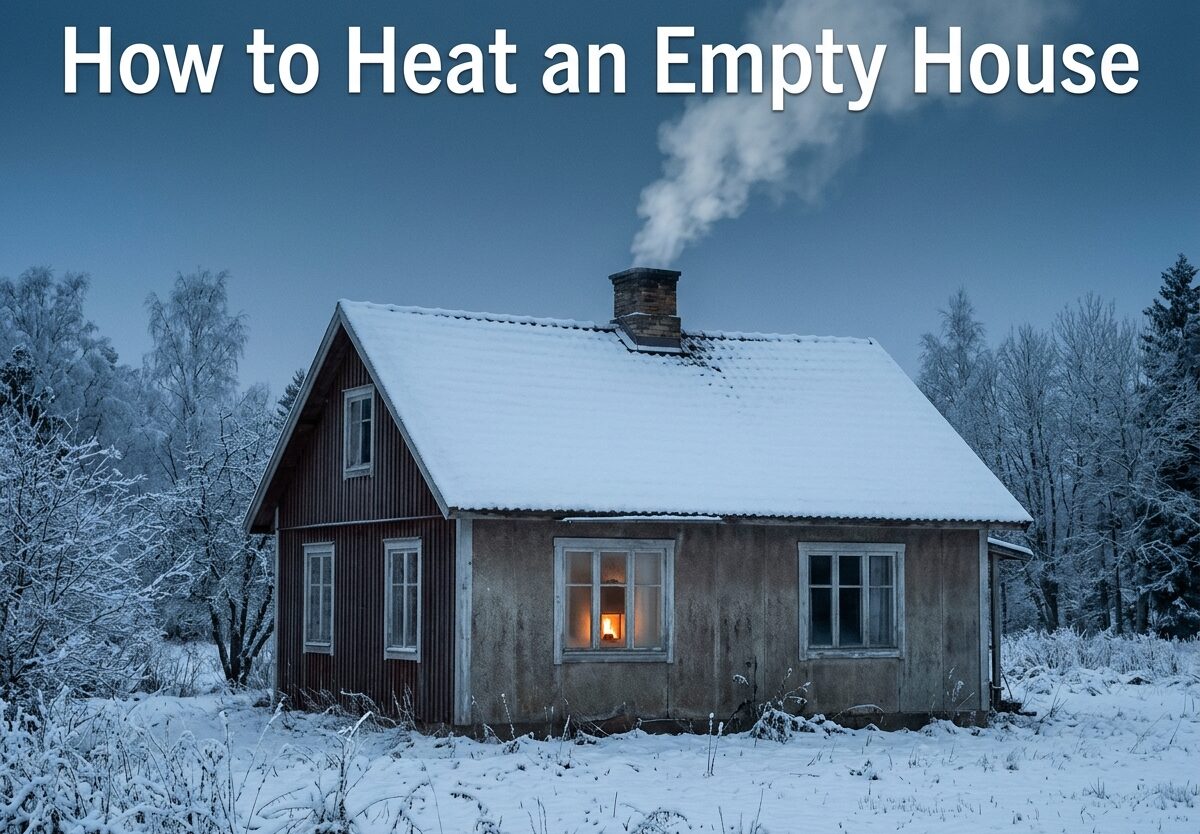
When you leave your home unattended for days or weeks, knowing how to heat an empty house properly can save you from costly disasters. The Department of Energy recommends setting your thermostat between 55-60°F during winter vacancy to prevent frozen pipes while minimizing energy costs. This temperature range protects your home’s plumbing without wasting money on excessive heating.
I’ve spent years researching home heating efficiency, and the question of how to heat an empty house comes up constantly during winter months. Whether you’re planning a vacation, managing a rental property, or closing up a seasonal home, getting the temperature right matters. Let me walk you through exactly what you need to know.
How to Heat an Empty House: Winter Temperature Settings
Setting the right temperature is crucial when you heat an empty house during winter months. The sweet spot sits between 55-60°F according to DOE guidelines. At 55°F, your home stays warm enough to prevent pipe freezing while keeping energy bills reasonable. Most homeowners find 60°F provides extra peace of mind in extremely cold climates.
Why not go lower? Pipes inside exterior walls can freeze when temperatures drop below 45°F, even if your thermostat reads higher. The air near uninsulated pipes runs much colder than your main living spaces. I’ve seen too many cases where homeowners set thermostats to 50°F thinking they were safe, only to return to burst pipes and thousands in water damage.
The type of heating system matters too. If you heat an empty house with a heat pump, setting it too low can make the system work harder when it tries to maintain temperature in freezing weather. Gas furnaces handle low settings better but still need the 55°F minimum to protect your home.
Short-Term vs Long-Term Vacancy: What’s the Difference?
How long you’re away dramatically changes how you should heat an empty house. For weekend trips or a few days away, I recommend keeping your thermostat at 60-65°F. The energy savings from going lower aren’t worth the risk of a sudden cold snap causing problems.
When you’re leaving for a week or two during winter, 55-60°F works well. Your pipes stay protected, and you save roughly 1-2% on heating costs for each degree you lower the thermostat. Over a two-week vacation, that adds up to noticeable savings without significant risk.
Long-term vacancy of a month or more requires different strategies. You can safely set temperatures as low as 50-52°F IF you take precautions: open cabinet doors under sinks, let faucets drip during extreme cold, and consider having someone check the property periodically. I’ve spoken with snowbird homeowners who successfully maintain 50°F through winter, but they always arrange weekly inspections.
Forum discussions on Reddit and DIY communities consistently show that 55°F is the consensus minimum for worry-free winter vacancy. Going lower requires active monitoring and additional protective measures.
Why Turning Off Heat Doesn’t Save Money
Here’s a myth I need to bust immediately: turning your heat completely off does NOT save money when you heat an empty house. The Department of Energy confirms that reheating a cold home uses more energy than maintaining a steady low temperature. Your HVAC system runs longer and harder to bring temperatures back up than it would maintaining 55°F consistently.
The math simply doesn’t work in your favor. Turning heat off might save you $5-10 per day, but one burst pipe costs $5,000-15,000 in repairs. That’s a risk I wouldn’t take, and neither should you. Insurance claims for water damage from frozen pipes have risen steadily over the past decade, with average claim costs exceeding $10,000.
There’s also the hidden cost of humidity damage. Cold homes condense moisture when temperatures fluctuate, leading to mold growth on walls and in attics. Mold remediation averages $2,500-5,000 and often isn’t covered by insurance if negligence contributed to the problem.
The Department of Energy’s official stance is clear: maintaining 55°F costs less than the alternative risks. When you heat an empty house, low and steady beats off and volatile every time.
Summer Settings: Heat an Empty House When It’s Hot
Summer vacancy requires different thinking. Instead of heating, you’re managing cooling and humidity. The DOE recommends setting thermostats to 85°F during summer absences to control humidity without excessive air conditioning costs.
In humid climates, turning off A/C completely risks mold growth. Warm air holds more moisture, and when that moisture condenses on cool surfaces (like basement walls or interior pipes), mold can establish quickly. I’ve seen vacation homes develop serious mold problems within two weeks in humid southern climates.
Dry climates offer more flexibility. If you heat an empty house in Arizona or Nevada, you can often turn off cooling entirely without mold concerns. However, extreme heat can still damage electronics, warps wood furniture, and compromise adhesives in flooring or cabinetry.
The 85°F setting strikes a balance between energy savings and property protection. Your air conditioner runs enough to dehumidify without working overtime to keep your home refrigerator-cold when nobody’s there to enjoy it.
Energy-Saving Tips While You’re Away
Beyond thermostat settings, several steps maximize efficiency when you heat an empty house. Smart thermostats offer the best protection for long-term vacancies. I recommend models with remote monitoring that alert you if temperatures drop dangerously low or if your heating system fails.
Programmable thermostats work well for predictable absences. Set them to lower temperatures starting the day you leave and return to normal settings the day before you arrive. This ensures your home is comfortable when you return without wasting energy heating an empty house longer than necessary.
Water heaters deserve attention too. Lower your water heater temperature to the lowest setting or vacation mode. There’s no sense maintaining 120°F water for nobody to use. This simple step saves $3-5 monthly and reduces standby heat loss.
Window coverings make a bigger difference than most homeowners realize. Close all blinds and curtains before leaving. In summer, this blocks solar heat gain. In winter, it provides an extra insulation layer. Department of Energy studies show properly used window coverings can reduce heat loss by 10-25%.
Don’t forget about air sealing. Check weather stripping around doors and windows before extended absences. Caulking gaps and sealing drafts prevents cold air infiltration that makes your heating system work harder. A tube of caulk costs $5 but can save $20-30 monthly in heating costs.
For extreme climates or very long absences, consider having a trusted neighbor check your home weekly. They can verify that heating systems are running properly and catch problems before they become disasters. Many winter-home owners swap property-checking favors, making this a cost-free security measure.
Quick Winter Vacancy Checklist
Before you leave your home empty this winter, follow this checklist:
1. Set thermostat to 55-60°F
2. Open cabinet doors under sinks
3. Close all curtains and blinds
4. Lower water heater to vacation setting
5. Check weather stripping on doors
6. Arrange for someone to check the property weekly
7. Know where your main water shut-off is located
Following these steps gives you peace of mind while you’re away. Your wallet stays happy, and more importantly, you come home to the same house you left.
FAQs
Is it harder to heat an empty house?
No, this is a common myth. The Department of Energy confirms that heating an empty home requires LESS energy than heating an occupied home because there are no body heat contributions, no cooking heat, and no constant door opening. Your HVAC works more efficiently maintaining temperature in an empty house.
What temperature should I set my thermostat when on vacation?
For winter vacations, set your thermostat between 55-60°F. This minimum temperature prevents frozen pipes while saving energy. For summer trips, set air conditioning to 85°F to control humidity without excessive cooling costs. Short weekend trips? Keep settings closer to normal (60-65°F winter, 78-80°F summer).
Can you turn off heat in an empty house?
I strongly recommend against turning heat completely off in winter. The risk of frozen pipes outweighs energy savings. Even if pipes don’t burst, thawing frozen plumbing causes damage. If you must turn off heat for extended periods, drain all pipes and water systems, and use antifreeze in drains and toilet traps – a complex process best handled by professionals.
How cold can an empty house get before pipes freeze?
Pipes can freeze when indoor temperatures drop below 45°F, though most freeze at 32°F or below. The danger zone varies based on pipe location (pipes in exterior walls freeze first) and insulation quality. Setting your thermostat to 55°F provides a safe buffer that protects even vulnerable pipes in poorly insulated walls.
Final Thoughts on Heating Your Empty Home
Learning how to heat an empty house properly protects your investment and saves money. The 55-60°F winter guideline and 85°F summer recommendation balance energy savings with property protection. Remember that completely turning off heating systems rarely saves enough to justify the risk of frozen pipes or water damage.
Smart thermostats and proper home preparation give you the best control over energy costs while you’re away. When you heat an empty house consistently and correctly, you return to a safe, comfortable home instead of costly repairs. Your peace of mind is worth maintaining that minimum temperature.


Leave a Comment