
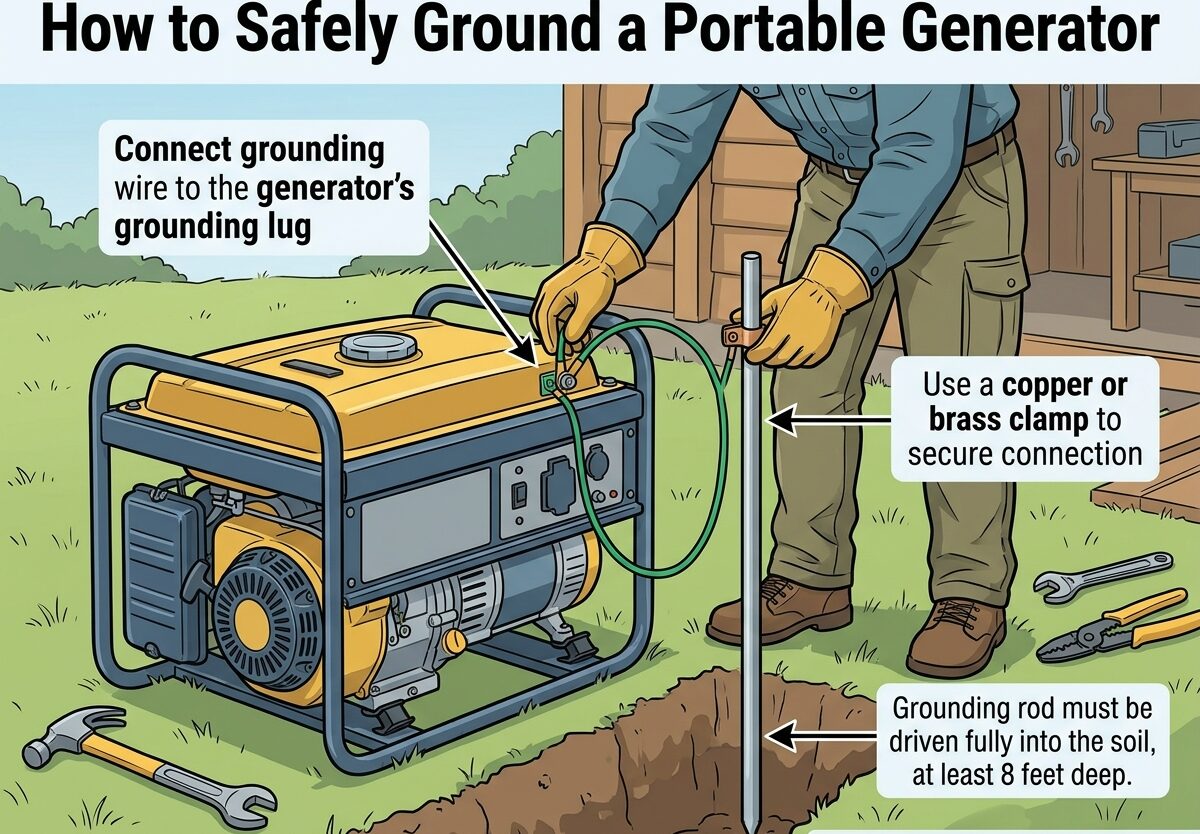
Learning how to safely ground a portable generator is one of the most critical safety skills for any generator owner. Proper grounding protects you from electrical shock, prevents damage to your appliances, and reduces fire risk during power outages or outdoor activities. Many generator owners are confused about when grounding is actually necessary, and conflicting information from manufacturers, electricians, and online forums only adds to the uncertainty.
I’ve researched electrical codes, manufacturer guidelines, and real-world experiences to create this comprehensive guide. Whether you’re using your generator for home backup power, camping, or on a job site, understanding proper grounding procedures could save your life.
What Is Generator Grounding and Why It Matters
Generator grounding creates a safe, low-resistance path between your generator’s metal frame and the earth. If an electrical fault occurs inside the generator, excess electricity has somewhere to go other than through you or your sensitive electronics.
Think of grounding as an emergency exit for electricity. When something goes wrong with your generator’s internal wiring, the ground wire directs dangerous current safely into the earth instead of building up voltage on the frame or flowing through anyone who touches it.
Proper grounding provides three key protections. First, it prevents electrical shock hazards by keeping the generator’s frame at the same electrical potential as the ground you’re standing on. Second, it protects your appliances and electronics from voltage fluctuations and surges. Third, it reduces fire risk by giving fault current a safe path to travel.
How to Safely Ground a Portable Generator
Safely grounding a portable generator requires specific materials and careful attention to detail. The process involves driving an 8-foot copper rod into the ground and connecting it to your generator’s grounding terminal with properly sized copper wire and a secure clamp.
This procedure is essential when you’re connecting your generator to a building’s electrical system through a transfer switch, using it in wet or hazardous locations, or operating it as a semi-permanent power source. However, many portable generators used only with extension cords may not require a separate ground rod, depending on their neutral configuration.
Let me explain when grounding is and isn’t required, then walk you through the complete step-by-step procedure.
When Grounding IS Required vs NOT Required
The biggest source of confusion for generator owners is understanding when grounding is actually necessary. The answer depends on your generator’s neutral configuration and how you’re using it.
Generators come in two main types: bonded neutral and floating neutral. Bonded neutral generators have the neutral wire connected to the generator frame at the factory. These are commonly found on larger portable generators and typically don’t require a separate ground rod when used with extension cords only. The frame itself becomes the grounding path.
Floating neutral generators keep the neutral wire isolated from the frame. These are more common on smaller inverter generators. When used with properly grounded extension cords plugged into grounded outlets, the grounding path is completed through the cord’s third prong. However, if you’re connecting this type of generator to a building’s electrical system, additional grounding may be required.
Here’s the simple rule: If you’re only using extension cords to plug appliances directly into your generator, you typically don’t need a separate ground rod with most modern portable generators. The grounding conductor in your extension cord provides the necessary path. However, if you’re connecting your generator to your home’s electrical panel through a transfer switch, grounding requirements become more complex and you should consult the NEC code and a licensed electrician.
The National Electrical Code (NEC) Section 250.34 provides specific guidance on portable generator grounding. For most residential portable generator use with extension cords, the code recognizes that the generator’s equipment grounding conductor (the ground prong on your outlets) provides adequate protection. However, exceptions exist for larger installations, construction sites, and when feeding building electrical systems.
Materials Checklist for Proper Grounding
Before you begin the grounding process, gather these essential materials. Using the right equipment ensures a safe and reliable connection.
Copper Grounding Rod (8 feet long) — This is the most important component. The rod must be copper or copper-clad steel and at least 8 feet long to reach deep enough into moist soil for good electrical contact.
Copper Grounding Wire (6 AWG or larger) — Use solid or stranded copper wire rated for direct burial. The wire should be thick enough to carry fault current without overheating. 6 AWG is recommended for most applications, though 4 AWG provides even better protection.
Ground Clamp — Choose an acorn clamp or bronze clamp specifically designed for grounding rods. Avoid cheap steel clamps that corrode quickly. The clamp should match your wire gauge and rod diameter.
Additional Tools — You’ll need a hammer or post driver to pound the rod into the ground, wire strippers to remove insulation, a wrench to tighten the clamp, and possibly a shovel if you need to dig through rocky soil.
Step-by-Step Generator Grounding Procedure
Follow these steps carefully to safely ground your portable generator. If you’re unsure about any step, consult a licensed electrician.
Step 1: Choose Your Location and Check Soil Conditions
Position your generator at least 10 feet away from your home or any structures to prevent carbon monoxide from entering. The grounding rod should be placed at least 8 feet from the generator to prevent voltage gradients. Check the soil conditions—moist soil conducts electricity better than dry, sandy, or rocky soil. If the ground is extremely dry, consider wetting the area before driving the rod.
Step 2: Drive the Grounding Rod Into the Ground
Using a hammer or post driver, pound the copper grounding rod vertically into the earth. The entire 8-foot length should be driven below ground level. This ensures the rod reaches moist soil layers and provides good electrical contact. If you hit rock that prevents full insertion, you may drive the rod at a 45-degree angle, but vertical is always preferred. In extremely rocky soil, you may need to dig a hole and backfill it with soil or use an alternative grounding method approved by a licensed electrician.
Step 3: Connect Copper Wire to Generator Frame
Locate the grounding terminal on your generator. This is typically a green screw or a threaded stud marked with the ground symbol. Strip about 3/4 inch of insulation from one end of your copper wire. Loosen the grounding screw, wrap the exposed wire securely around the terminal, and tighten the screw firmly. Ensure there’s good metal-to-metal contact between the wire and the generator frame.
Step 4: Attach Wire to Grounding Rod With Clamp
Strip the other end of your copper wire. Open your ground clamp and position it near the top of the grounding rod. Wrap the stripped wire around the rod just below the clamp, then tighten the clamp securely. The connection should be tight enough that you cannot pull the wire off by hand. For added protection, some electricians recommend soldering the connection or using a compression-type clamp for permanent installations.
Step 5: Test the Connection
Before relying on your grounding setup, verify the connection. A multimeter can check continuity between the generator frame and the grounding rod. You should read very low resistance (less than 1 ohm). If you don’t have a multimeter, visually inspect all connections and tug on the wires to ensure they’re secure. Start the generator and check for any unusual behavior, such as lights flickering or circuit breakers tripping.
Step 6: Safety Verification
Once everything is connected and tested, verify your overall safety setup. Ensure the generator is on level ground, all fuel connections are secure, and you have a carbon monoxide detector running nearby if the generator is near any occupied space. Never operate a generator indoors or in an attached garage, regardless of grounding.
Step 7: Proper Storage and Maintenance
If you’re using a temporary grounding setup for occasional use, properly store your grounding rod and wire when not in use. Clean the copper connections to prevent corrosion, which can increase resistance and reduce effectiveness. For permanent installations, consider protecting the wire with conduit where it exits the ground.
Step 8: When to Call a Professional
If you’re connecting your generator to your home’s electrical system, installing a transfer switch, or if you’re unsure about any aspect of grounding, hire a licensed electrician. Improper grounding can be more dangerous than no grounding at all, especially when it comes to backfeed prevention and protecting utility workers.
Critical Safety Practices and Common Mistakes
Understanding what NOT to do is just as important as following the correct procedure. These safety practices and warnings come from real incidents and professional electrician experiences.
Avoid Multiple Ground Rods and Voltage Gradient Danger
One of the most dangerous mistakes is driving multiple ground rods and connecting them together without proper bonding. This creates a voltage gradient—a difference in electrical potential between different points in the ground. If you step between two rods with different voltages, current can flow through your body even though you’re not touching anything. Professional electricians on the Mike Holt forum emphasize that extra ground rods often create more hazards than they prevent. Stick to one properly installed rod unless a licensed electrician designs a multi-rod system.
Never Backfeed Without a Transfer Switch
Connecting your generator directly to a wall outlet without a proper transfer switch is extremely dangerous. This practice, called backfeeding, sends electricity back through your house wiring and out to the utility lines. It can electrocute utility workers repairing downed lines and can destroy your generator when power is restored. Always use a properly installed transfer switch or interlock device.
Ground Fault Protection is Essential
Use a generator with GFCI (Ground Fault Circuit Interrupter) outlets, especially in wet locations. GFCI outlets detect tiny current leaks and shut down power instantly, preventing shock. Test your GFCI outlets monthly by pressing the test button.
Never Operate in Wet Conditions Without Extra Precautions
Water and electricity are a deadly combination. If you must use your generator in rain, protect it with a canopy designed for generator use. Never touch the generator with wet hands, and ensure your grounding connections are waterproof. Consider using a portable GFCI adapter for additional protection.
Common Grounding Mistakes to Avoid
Don’t use the wrong gauge wire—too thin and it can overheat during a fault. Don’t use steel rebar or water pipes as grounding rods—they don’t conduct electricity as well as copper. Don’t skip the ground clamp—wrapping wire around a rod without a clamp creates high resistance. Don’t forget to check your connections periodically for corrosion or loosening from vibration.
Special Considerations: Camping and Remote Use
Grounding becomes challenging when you’re camping, at a job site, or in any location where driving an 8-foot rod isn’t practical. Here’s how to maintain safety without a traditional ground rod.
When Ground Rod Isn’t Feasible
If you can’t drive a ground rod, prioritize using a generator with GFCI protection on all outlets. Connect only through heavy-duty, three-wire extension cords with intact grounding prongs. Never cut off the ground prong to fit a two-prong outlet—this defeats your primary protection against shock.
Generator Selection for Remote Use
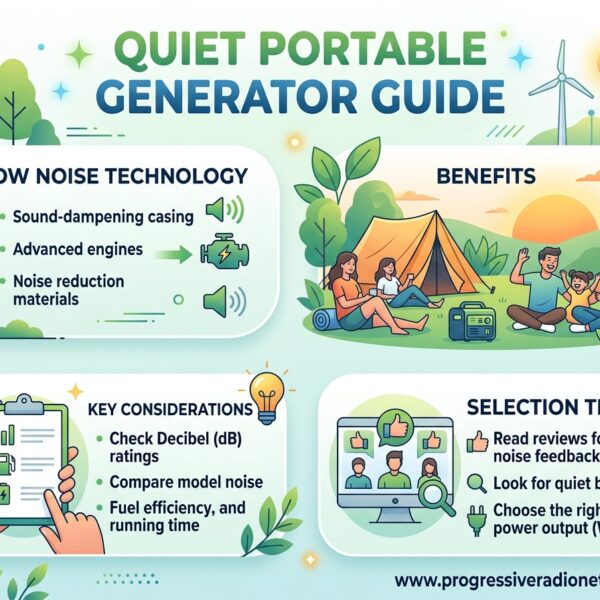
Inverter generators are often better choices for camping and remote use because they typically have bonded neutral configurations and include GFCI protection. Their clean power output is also safer for sensitive electronics like phones and laptops.
Alternative Safety Measures
When you can’t ground traditionally, rely on other safety measures: keep the generator dry, use only undamaged extension cords, avoid touching the generator frame while it’s running, and never operate in enclosed spaces. Some portable generator owners carry a short grounding stake (16-24 inches) for temporary use, though this doesn’t meet NEC code for permanent installations.
FAQs
Should a portable generator be grounded?
It depends on how you are using it. If you are only plugging appliances directly into the generator with extension cords, most modern portable generators do not require a separate ground rod because the grounding conductor in the cord provides protection. However, if you are connecting your generator to a building’s electrical system through a transfer switch, grounding is typically required. Always check your generator manual for specific requirements.
What is the 80% rule for generators?
The 80% rule means you should only run your generator at 80% of its maximum rated capacity for continuous use. For example, a 5000-watt generator should only power loads totaling 4000 watts continuously. This 20% buffer prevents overheating, extends generator life, and ensures reliable power delivery during extended outages.
What is the 20 20 20 rule for generators?
The 20-20-20 rule is a maintenance guideline for generators: check oil and fuel levels every 20 hours of use, change oil every 100 hours or annually (whichever comes first), and perform a professional tune-up every 200 hours of operation. Following this schedule keeps your generator reliable and prevents unexpected failures during emergencies.
What are common grounding mistakes?
Common mistakes include using undersized wire, failing to drive the rod the full 8 feet into the ground, using steel instead of copper for the rod, not tightening clamps securely, and installing multiple ground rods without proper bonding which creates dangerous voltage gradients. Another major mistake is backfeeding without a transfer switch, which can electrocute utility workers.
Do I need to ground my generator when using a transfer switch?
Grounding requirements with transfer switches depend on your specific setup and local code. In many cases, the transfer switch connection to your home’s grounding system provides the necessary grounding path. However, some installations require a separate ground rod for the generator. Always consult a licensed electrician and follow NEC guidelines for transfer switch installations.
How deep should a grounding rod be for a generator?
A grounding rod for a portable generator must be driven at least 8 feet into the ground to meet NEC requirements and ensure proper electrical contact with moist soil. The entire rod should be below ground level. If you hit rock and you cannot drive it vertically, you may drive the rod at a 45-degree angle, but vertical installation is preferred for optimal performance.
Conclusion
Learning how to safely ground a portable generator is essential knowledge for anyone who relies on backup power. The key is understanding when grounding is necessary based on your generator type and how you’re using it. For most extension cord applications, modern generators with bonded neutral designs don’t require separate ground rods. However, when connecting to buildings or working in wet conditions, proper grounding becomes critical for safety.
Remember that grounding is just one part of generator safety. Proper ventilation to prevent carbon monoxide poisoning, using the correct extension cord gauge, following the 80% load rule, and never backfeeding without a transfer switch are all equally important practices.
When in doubt about any aspect of generator grounding or electrical safety, consult a licensed electrician. The cost of professional advice is far less than the risk of electrical shock, equipment damage, or injury to utility workers. Stay safe and keep your power running reliably during 2026.




Leave a Comment