
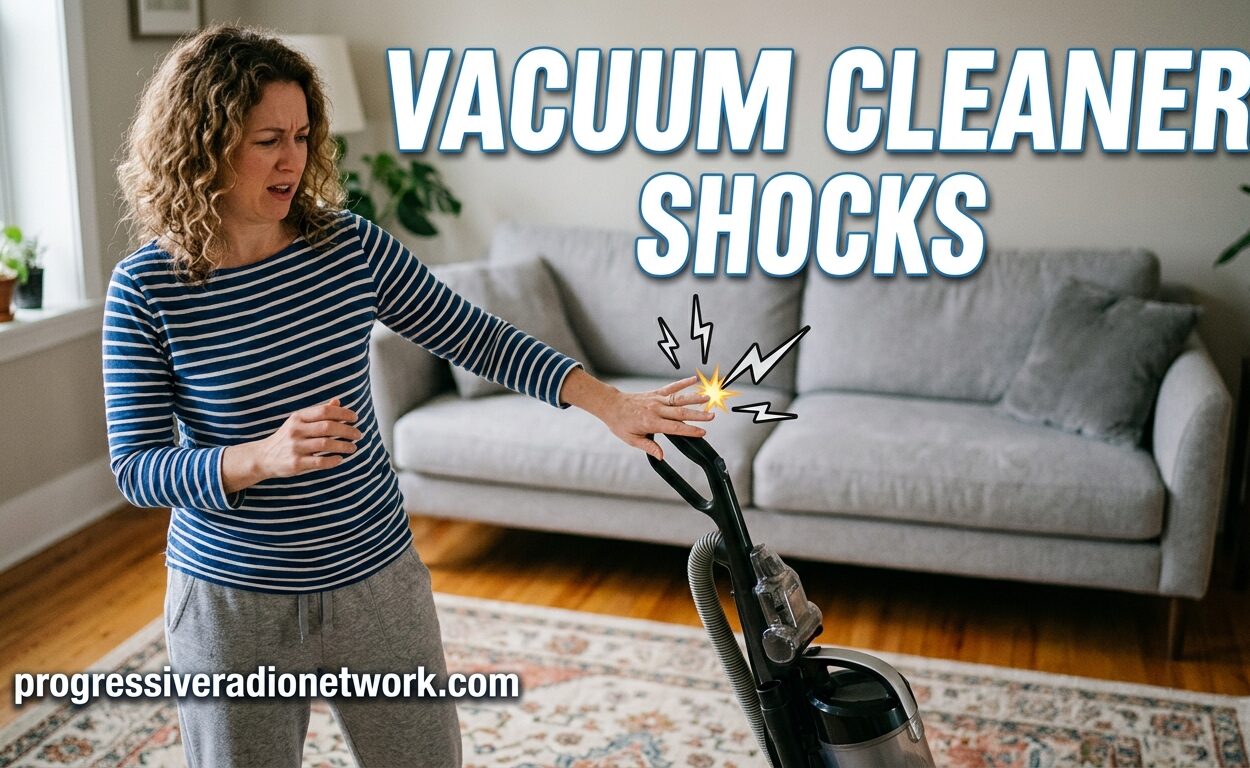
You’re vacuuming your living room, everything’s fine, and then ZAP. A sudden sharp sting shoots through your hand. Vacuum cleaner shocks are annoying, startling, and can make you dread cleaning day. I’ve experienced this myself, especially during winter months when the air gets dry and static seems to build up everywhere. Most of these shocks are harmless static electricity discharges, but understanding what’s happening and how to prevent them will make your cleaning routine much more comfortable.
What Are Vacuum Cleaner Shocks?
Vacuum cleaner shocks happen when static electricity builds up on your vacuum’s plastic components and suddenly discharges into your hand. This occurs most often when you touch metal parts after the vacuum has been running. The sensation ranges from a mild tingle to a sharp zap that travels through your hand and sometimes to your feet.
Static electricity is simply an imbalance of electric charges on the surface of materials. Your vacuum constantly generates this charge as air and dust particles rush through the hose and wand. The plastic housing can’t conduct this charge away, so it accumulates until you provide a path to ground by touching the vacuum.
Why Does My Vacuum Shock Me?
The primary culprit behind vacuum cleaner shocks is low humidity. Dry air acts as an insulator, preventing static charge from dissipating naturally into the surrounding environment. When indoor humidity drops below 40%, static buildup becomes much more likely. This explains why shocks worsen significantly during winter months when heating systems dry out indoor air.
Friction plays a major role too. As your vacuum hose drags across carpet fibers, especially synthetic materials like nylon or polyester, the rubbing motion generates static charge. The longer you vacuum and the more surface area your hose covers, the more charge accumulates. High suction power vacuums can actually increase this effect by pulling more particles through the system at higher speeds.
Plastic components on your vacuum act as perfect storage for this electrical charge. Unlike metal, which conducts charge away, modern vacuums use lightweight plastic housings that trap static electricity. When your hand finally bridges the gap between the charged plastic and a grounded surface, the stored energy releases all at once.
The type of flooring matters as well. Synthetic carpets generate more static than natural fibers, and hardwood floors with certain finishes can contribute to the problem. Some vacuum brands seem more prone to shocking due to their specific plastic formulations and hose materials.
Static Shock vs Electrical Fault: How to Tell the Difference
This distinction matters for your safety. Most vacuum shocks are harmless static discharges, but actual electrical faults can indicate serious problems. Here’s how to tell them apart.
Static shocks happen in an instant. You touch the vacuum and feel a quick zap that immediately stops. The shock might sting but leaves no lasting sensation. Static worsens in dry conditions and improves when humidity increases. You won’t see any visible damage to your vacuum, and the machine operates normally otherwise.
Electrical faults feel completely different. Instead of a quick zap, you might notice continuous tingling or a vibrating sensation while holding the vacuum. There could be a burning smell, visible sparks, or the vacuum might trip your circuit breaker. The shock persists regardless of humidity levels, and you might see frayed cords, cracked housing, or exposed wires. If you experience these symptoms, stop using the vacuum immediately and unplug it.
A simple test: touch the vacuum with a metal object first. If you see and hear a small spark but feel nothing when touching with your hand afterward, it was static. If you feel continuous current or tingling, it’s likely an electrical fault requiring professional repair.
How to Stop Vacuum Cleaner Shocks
I’ve tested various solutions over the years, and increasing indoor humidity is the most effective fix. Aim for 40-60% relative humidity in your home. A quality humidifier in rooms where you vacuum can dramatically reduce static buildup. Not only will this stop shocks, but it’s also better for your health, your furniture, and your home’s structure.
Anti-static sprays work well for carpets and vacuum hoses. These products reduce the surface resistance that allows static to accumulate. Spray your carpets lightly before vacuuming, or apply a small amount to a cloth and wipe down your vacuum hose and wand. The effect lasts through several cleaning sessions.
Your footwear choice matters more than you might expect. Rubber-soled shoes insulate you from the ground, allowing charge to build up on your body. Leather-soled shoes or going barefoot provides a path for static to dissipate harmlessly into the floor. I’ve noticed significantly fewer shocks when vacuuming without shoes.
Try the discharge technique before touching your vacuum. Use a metal object like a key or a screwdriver to touch metal parts first. You’ll see and hear the spark discharge safely away from your skin. This seems inconvenient at first, but becomes second nature after a few times.
Clean your vacuum’s filter and dust container regularly. Clogged filters force the motor to work harder, potentially increasing static buildup. Empty the dust bin or replace bags before they’re completely full. Some users report fewer shocks after switching to HEPA filters, which may reduce particle friction inside the vacuum.
Grounding improvements can help in persistent cases. Ensure your vacuum’s power cord is in good condition and plugged into a properly grounded outlet. Avoid using extension cords if possible, as they can introduce grounding issues. Some vacuum enthusiasts recommend touching a grounded metal surface like a radiator before grabbing your vacuum to discharge any accumulated body static.
Shop Vac and Stick Vacuum: Why They Shock More
Shop vacs generate more static due to their larger hose diameter and longer hose length. More surface area means more friction with air and debris. The powerful suction on shop vacs also contributes to the problem. Many woodworkers and DIYers report constant shocking when using shop vacs, especially in dry garages and workshops.
Stick and handheld vacuums shock users more frequently because you’re holding the plastic components directly. With canister vacuums, you hold a metal wand that dissipates some charge. Stick vacuums place your hand right on the charged plastic housing. New vacuums straight out of the box often shock more than older ones, possibly due to manufacturing residues or the plastic’s initial condition.
Certain brands appear more prone to shocking based on forum discussions. Dyson, Shark, Miele, and Ryobi owners frequently report static issues, though this likely reflects their popularity rather than design flaws. Central vacuum systems generally shock less because the motor unit is located away from living spaces and hoses can be made with conductive materials.
FAQs
Is it normal for a vacuum to shock you?
Yes, most vacuum shocks are normal and harmless. Static electricity builds up naturally as dust and air move through plastic components, especially during dry weather. The quick zap you feel is simply the stored charge discharging through your hand to ground.
How to stop getting shocked while vacuuming?
Increase indoor humidity to 40-60% using a humidifier. Wear leather-soled shoes or go barefoot instead of rubber-soled footwear. Use anti-static spray on carpets and vacuum hoses. Touch metal parts with a key first to discharge static safely. Clean filters regularly to reduce particle friction.
Why is my vacuum giving me electric shocks?
Your vacuum builds up static electricity through friction between the hose and carpet fibers, combined with low humidity that prevents charge dissipation. Plastic components store this charge until you touch metal parts and provide a path to ground. The problem worsens significantly in winter months and air-conditioned rooms.
Why do I get shocked while using a shop vac?
Shop vacs generate more static due to larger hose diameter and longer hose length, creating more surface area for friction. Powerful suction increases particle movement and static buildup. Garages and workshops are often drier than homes, exacerbating the problem. Try using anti-static spray on the hose and increasing humidity in your workspace.
Can static from a vacuum hurt you?
Normal static shocks from vacuums are harmless and cause no injury. The zap might be uncomfortable but doesn’t damage your body or indicate a health risk. However, if you feel continuous tingling, burning, or see sparks while the vacuum is running, unplug it immediately. These symptoms indicate an electrical fault, not static, and require professional repair.
Conclusion
Vacuum cleaner shocks are mostly harmless static electricity discharges caused by low humidity, friction, and plastic components. Increasing indoor humidity to 40-60% is the most effective solution. Anti-static sprays, proper footwear, and regular maintenance also help significantly. If you experience continuous tingling, burning smells, or visible sparks, stop using your vacuum immediately and have it inspected by a professional. With the right approach, you can clean your home without the annoying zap.





Leave a Comment