
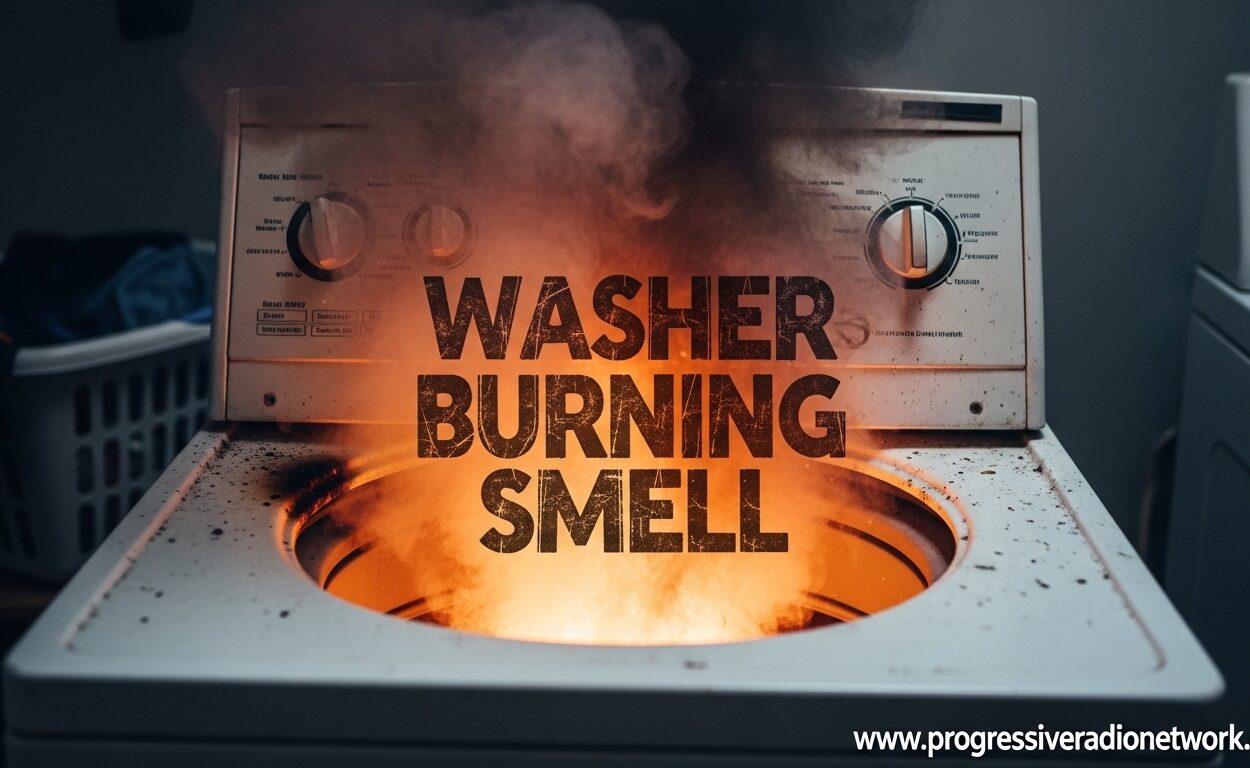
That sudden washer burning smell you noticed during your last laundry cycle? It’s not something to ignore. I’ve seen too many homeowners dismiss this warning sign, only to face costly repairs or dangerous situations later. A burning smell from your washing machine indicates something is overheating or experiencing excessive friction – both problems that need immediate attention.
When I first encountered this issue myself, I didn’t know whether to panic or proceed with caution. After researching extensively and consulting with appliance repair technicians, I learned that identifying the specific type of burning smell can tell you exactly what’s wrong. Whether it’s burning rubber, electrical burning, or a wax-like odor, each smell points to different problems that range from simple fixes to serious failures.
This guide will help you diagnose your washer burning smell, determine if it’s safe to continue using your machine, and decide whether you can fix it yourself or need professional help. Your safety comes first, so let’s start with the critical warning signs.
Safety Warning: Stop Immediately If You Notice These Signs
A washer burning smell is a warning signal that should never be ignored. While some causes are relatively minor, others pose serious fire hazards. I recommend stopping your washing machine immediately if you notice any of these dangerous symptoms:
Visible smoke coming from the machine, flames or sparks (obviously), the smell of burning plastic or electrical components, or a burning smell that persists even after the washer has been unplugged for several minutes. These signs indicate active electrical problems or component failures that could lead to a house fire.
If you see smoke or flames, do not open the washer door. Unplug the machine immediately from the wall outlet, move flammable items away from the appliance, and if the situation seems dangerous, evacuate and call emergency services. I’ve seen cases where a burning smell escalated to visible smoke within minutes – don’t wait to see if it gets worse.
What to Do Immediately When You Smell Burning
When you notice a burning smell from your washing machine, follow these steps in order:
First, stop the cycle immediately by pressing pause or cancel. Don’t wait for the cycle to finish – continued operation can worsen the damage and increase fire risk. I made the mistake of letting a cycle complete once, and what started as a minor belt issue became a complete motor replacement.
Next, unplug the washer from the electrical outlet. This is critical for safety and prevents any electrical components from continuing to overheat. If you can’t safely reach the plug, turn off the washer at the circuit breaker.
Then, wait at least 30 minutes before investigating. This allows components to cool and any residual smell to dissipate. After cooling, carefully check for visible signs of damage – look underneath and behind the machine if possible for melted plastic, burned wires, or oil leaks.
Finally, assess whether you’re comfortable attempting a DIY diagnosis or if you need professional help. If you see electrical damage, extensive burning, or don’t feel confident working with appliances, calling a technician is the safest choice.
Washer Burning Smell: Common Causes Overview
Understanding the different types of burning smells can help you identify the problem quickly. Based on my research and conversations with repair technicians, here are the seven most common causes of a washer burning smell, ranked by frequency:
Overloaded or off-balance loads cause the motor to strain and overheat, producing a burning wax or rubber smell. This is the most common cause and often resolves on its own after the load is corrected. Drive belt issues typically create a burning rubber smell, often accompanied by squealing noises – the belt is slipping and burning against pulleys.
Drain pump problems usually produce burning smells during the drain cycle, sometimes with a humming or buzzing noise indicating the pump is seized. Motor failure or overheating creates a distinct electrical burning smell, which is serious and usually requires professional repair or replacement.
Less common but still possible are idler pulley issues (burning rubber with grinding), motor coupling failure in direct-drive models (burning plastic during agitation), and electrical component failures (sharp electrical burning smell). The type of smell you notice can help narrow down the problem significantly.
Overloaded or Off-Balance Load
An overloaded washing machine is the most common cause of washer burning smell, and thankfully it’s usually the easiest to fix. When you stuff too many clothes into the drum or load heavy items like towels and bedding improperly, the motor has to work much harder to turn the drum.
This extra strain causes the motor to overheat, which can produce a burning wax or rubber smell. I’ve experienced this firsthand after washing a king-sized comforter in a standard capacity washer – the smell was alarming, but once I removed some items and redistributed the weight, the problem didn’t recur.
Off-balance loads create similar problems. When clothes clump to one side of the drum, the machine struggles to spin properly. This causes the belt to slip and creates friction that generates burning smells. You might notice the washer shaking violently or making thumping noises along with the burning odor.
The good news? This type of washer burning smell typically goes away on its own once you reduce the load size and redistribute the weight evenly. However, repeated overloading can cause permanent damage to the motor, belt, or other components over time.
Drive Belt Issues
The drive belt connects the motor to the drum and is responsible for spinning your clothes during the wash and spin cycles. Over time, this belt can wear out, become loose, or develop cracks and glazing. When the belt slips on the pulleys, it creates friction that produces a characteristic burning rubber smell.
You might notice this smell specifically during the spin cycle when the belt is under the most tension. Along with the burning odor, listen for squealing, chirping, or squeaking noises that often accompany belt problems. These sounds happen when the belt slips against the motor pulley or the drum pulley.
Drive belt issues are more common in older washing machines and top-load models. The belt can also become misaligned or the tension can be incorrect, both of which cause slipping and burning. In some cases, debris like lint, coins, or small clothing items can get caught in the belt mechanism, creating friction and burning smells.
Replacing a drive belt is a moderate DIY project if you’re comfortable with appliance repair. The belt itself costs $15-40, and the process typically involves removing the washer’s cabinet, releasing tension on the old belt, and installing the new one. However, if you’re not confident working with appliances, this is a job for a professional.
Drain Pump Problems
The drain pump removes water from your washer at the end of each cycle. When this pump becomes jammed with debris like coins, buttons, lint, or small clothing items, or when the pump itself fails, it can create a burning smell during the drain portion of the cycle.
A seized drain pump often produces a humming or buzzing noise without actually draining water – the motor is trying to run but can’t. This causes the pump motor to overheat and creates an electrical burning smell. I’ve seen cases where a single coin caused hundreds of dollars in damage by burning out the drain pump motor.
The burning smell from drain pump issues typically occurs specifically when the washer should be draining water. You might notice water remaining in the drum at the end of the cycle, or the cycle might stop completely when it reaches the drain phase. Front-load washers are particularly prone to drain pump issues because debris collects more easily in their drain filters.
Some drain pump problems are simple fixes – cleaning the drain filter or removing debris from the pump inlet can resolve the issue. However, if the pump motor itself has burned out, replacement is necessary. Drain pumps typically cost $50-150, and installation ranges from moderately easy DIY to professional-only depending on your washer model.
Motor Failure or Overheating
The washing machine motor is the heart of your appliance, and when it starts to fail, it produces a distinct electrical burning smell that’s hard to mistake. This smell is often described as acrid, sharp, or like burning electronics rather than rubber or plastic.
Motor problems can develop gradually or happen suddenly. Gradual motor failure might start with intermittent burning smells during heavy loads, progressing to more frequent occurrences. Sudden motor failure can produce immediate burning smells along with the washer stopping mid-cycle or refusing to start at all.
Several factors can cause motor failure: age and normal wear (most motors last 10-15 years), water damage from leaks, repeated overloading, voltage spikes, or manufacturing defects. When the motor’s internal windings overheat, the insulation on the copper wire burns, creating that characteristic electrical burning smell.
Signs of motor failure beyond the burning smell include the washer not spinning or agitating properly, unusual humming or buzzing sounds, the washer stopping mid-cycle, or complete failure to start. In some cases, you might see smoke coming from the motor area, usually visible from the back or bottom of the machine.
Motor replacement is a major repair that typically costs $300-600 including parts and labor. For older washers (10+ years), this cost often approaches or exceeds the value of the machine, making replacement the more practical choice. However, motors in newer, high-end washers might be worth replacing given the appliance’s remaining lifespan.
Idler Pulley Issues
The idler pulley maintains tension on the drive belt in belt-driven washing machines. When this pulley’s bearing wears out or seizes, it creates friction against the belt, generating a burning rubber smell. You’ll typically hear grinding or squealing noises along with the burning odor.
Idler pulley problems often develop gradually. The bearing might start making noise months before it completely fails, giving you a warning sign. If you catch this problem early, you might only need to replace the pulley rather than dealing with additional damage to the belt or motor.
The burning smell from idler pulley issues is usually most noticeable during the spin cycle when belt tension is highest. You might also notice the belt looking worn, glazed, or cracked when you inspect it – these are signs that the pulley problem has been affecting the belt as well.
Replacing an idler pulley is a moderately difficult DIY repair. The part itself costs $20-50, but accessing it requires removing the washer’s cabinet and sometimes the drive motor. If you’re not comfortable with appliance disassembly, this is a job best left to professionals who can complete it in an hour or less.
Motor Coupling Failure (Direct Drive Models)
Direct-drive washing machines (common in Whirlpool, Maytag, and some Kenmore models) don’t use a belt – instead, they use a motor coupling made of plastic and rubber to connect the motor to the transmission. When this coupling fails, it creates a burning plastic smell often described as similar to burning rubber or wax.
The coupling is designed to fail as a safety mechanism to protect the motor from damage. When the washer is overloaded or the transmission locks up, the coupling breaks or wears down, absorbing the stress so the motor doesn’t burn out. This means a burning smell from a failed coupling might actually be saving you from a much more expensive motor repair.
Symptoms of motor coupling failure include the washer not spinning or agitating while the motor still runs (you’ll hear the motor sound but the drum won’t move), burning plastic smell during agitation or spin cycles, and sometimes visible pieces of plastic or rubber under the machine.
Motor couplings cost only $10-25, making this one of the more affordable washing machine repairs. However, accessing the coupling requires significant disassembly of the washer. Many DIY enthusiasts successfully replace couplings themselves, but if you’re not comfortable working with appliances, a professional can complete the repair in 1-2 hours.
Electrical Component Issues
Various electrical components in your washing machine can fail and create burning smells, including the control board, wiring harness, door latch assembly, and water inlet valves. Electrical burning smells are typically sharp, acrid, and unmistakable – often described as similar to burning wire insulation.
Control board problems might cause burning smells along with erratic washer behavior – cycles not advancing, error codes, or the washer not responding to controls. Wiring issues can develop from rodent damage, vibration rubbing, or heat damage over time. A compromised wire can arc and create burning smells without immediate failure.
The door latch assembly in front-load washers contains electrical components that can fail and create burning smells, usually accompanied by the door not locking properly or the washer not starting. Water inlet valve issues typically produce burning smells during the fill cycle and might be accompanied by the washer not filling properly or filling too slowly.
Electrical problems can be particularly dangerous because of fire risk. If you suspect electrical issues, I strongly recommend unplugging the washer and calling a professional rather than attempting DIY diagnosis. Electrical repairs require specific knowledge and can be hazardous for inexperienced homeowners.
DIY Troubleshooting Steps
Before calling a professional, you can perform some simple checks to potentially identify or even resolve your washer burning smell. These steps are safe for most homeowners and can help you understand whether you’re dealing with a simple fix or a serious problem.
First, run an empty cycle on the hottest setting. Sometimes residues from detergents, fabric softeners, or previous loads can create burning smells when they heat up. If the empty cycle produces no smell, try a smaller, lighter load next to see if the problem was simply overloading.
Next, check the drain filter (usually accessible on front-load washers). Consult your owner’s manual for the location, but it’s typically behind a small panel at the bottom front of the machine. Clean out any debris, lint, or objects that might be restricting water flow. This simple fix resolved my neighbor’s washer burning smell problem – a button had been blocking the drain pump.
Then, visually inspect the belt (if accessible from the back or bottom panel). Look for cracks, fraying, glazing, or looseness. A worn belt might just need replacement, which is a moderately difficult DIY repair. However, if you’re not comfortable with appliance repair, belt replacement is best left to professionals.
Finally, check for foreign objects in the drum. Coins, buttons, and small items can work their way into hidden areas and cause friction or block components. Remove the agitator in top-load models if possible to check underneath, and run your hand around the drum seal in front-load models to feel for hidden objects.
When to Call a Professional
While some washer burning smell issues are DIY-friendly, others require professional expertise. I recommend calling a professional technician if you notice any of these situations: visible electrical damage or burned wires, the burning smell persists after you’ve tried basic troubleshooting, you see smoke or sparks, the washer won’t run at all, or you don’t feel confident attempting DIY repairs.
Professional diagnosis typically costs $75-150, but this fee is often applied toward the repair cost if you proceed with the technician’s recommendations. A professional can quickly identify the problem and provide an accurate repair estimate, saving you time and potentially preventing further damage from incorrect DIY attempts.
Consider your washer’s age when deciding between repair and replacement. Washing machines typically last 10-15 years with proper maintenance. If your washer is less than 5 years old and the repair cost is less than half the price of a new machine, repair usually makes financial sense. For washers over 10 years old, replacement is often more practical unless the repair is minor.
Brand-specific considerations also matter. Some brands like LG and Samsung have parts that can be harder to source or more expensive, while Whirlpool and Maytag parts are widely available. A professional can advise you on the specific repair cost versus replacement value for your particular model.
Prevention Tips to Avoid Future Burning Smells
Preventing washer burning smells is largely about proper use and regular maintenance. These practices can extend your washer’s lifespan and help you avoid expensive repairs:
Never overload your washer – I recommend filling the drum only halfway to three-quarters full for optimal performance. Heavy items like towels and bedding should be washed in smaller loads. Distribute clothes evenly around the agitator in top-load models or balance them around the drum in front-load models.
Clean the drain filter monthly if your washer has one accessible. This prevents debris buildup that can strain the drain pump. Inspect and clean the detergent dispenser regularly to prevent residue buildup that can cause odors and affect washer performance.
Use the appropriate amount of detergent – excess detergent can create buildup that affects components. Modern high-efficiency washers require much less detergent than older models, typically only 1-2 tablespoons for regular loads.
Level your washer properly to prevent excessive vibration that can loosen components over time. Check and tighten water supply connections annually to prevent leaks that could damage electrical components. And consider scheduling professional maintenance every 3-5 years for thorough inspection and cleaning of internal components you can’t access yourself.
Frequently Asked Questions
Can I use my washing machine if it smells like burning rubber?
No, you should stop using your washing machine immediately if you smell burning rubber. This indicates a slipping belt, seized pump, or other mechanical problem that will worsen with continued use. Running the washer can cause further damage and create a fire hazard. Unplug the machine and diagnose the problem before running another cycle.
Will burnt smell eventually go away?
A burnt smell may go away if it was caused by a one-time overload issue. After reducing load size and redistributing weight properly, run an empty cycle on the hottest setting to clear residual odors. However, if the smell persists after multiple empty cycles, you have a component failure that needs repair. Continuing to use the washer will only worsen the problem.
Can overloading a washing machine cause a burning smell?
Yes, overloading is the most common cause of washer burning smell. When you overload the machine, the motor strains to turn the heavy drum, overheating and producing a burning wax or rubber smell. Off-balance loads create similar problems as clothes clump to one side, causing belt slip and friction. The solution is simple: reduce load size to half or three-quarters full and redistribute weight evenly.
How do you know if your washing machine motor is burnt out?
Signs of a burnt-out motor include: distinct electrical burning smell (sharp, acrid odor), washer not spinning or agitating, humming noise without drum movement, washer stopping mid-cycle, smoke from motor area, or complete failure to start. Motor failure is a serious problem requiring professional repair or replacement. If your washer is over 10 years old, replacement might be more cost-effective than motor repair.
Is it normal for a washing machine to smell burnt?
No, a burning smell is never normal for a washing machine. New washers might have a temporary factory smell during the first few cycles, but this should dissipate quickly and smell like new materials, not burning. Any burning odor during operation indicates a problem that needs attention. The severity ranges from simple fixes like reducing load size to serious issues like motor failure or electrical problems that require professional repair.
Is a smelly washer a fire hazard?
Yes, a washer burning smell can indicate serious fire hazard, especially if you notice electrical burning odor, smoke, or visible damage. Electrical problems, overheated motors, and seized components can all ignite surrounding materials. Don’t ignore burning smells or assume they’ll resolve on their own. Unplug the washer immediately and diagnose the problem before using it again. If you see smoke or flames, evacuate and call emergency services.
What smell can indicate an electrical fire?
An electrical fire smell is typically sharp, acrid, and unmistakable – often described as burning plastic, rubber, or wire insulation. This smell is different from rubber belt burning or wax-like motor overload odors. Electrical burning may be accompanied by visible sparks, smoke, or the washer not functioning properly. If you detect this smell, unplug the washer immediately and do not attempt to use it again until a professional has inspected and repaired the electrical issue.
Conclusion
A washer burning smell demands immediate attention, but understanding the type of smell and when it occurs can help you identify the problem quickly. Whether it’s a simple overload issue, a worn belt, or a serious motor failure, proper diagnosis is essential for deciding between DIY repair and professional help.
Remember that safety comes first – if you see smoke, sparks, or notice an electrical burning smell, unplug the washer immediately and call a professional. For less severe issues, start with basic troubleshooting like reducing load size, cleaning the drain filter, and running an empty cycle to clear residual odors.
Regular maintenance and proper loading practices can prevent most washer burning smell issues. By treating your washing machine with care and addressing warning signs promptly, you can extend its lifespan and avoid costly repairs. If you’re ever unsure about a problem or don’t feel confident attempting DIY repairs, there’s no shame in calling a professional – it’s better to be safe than sorry when dealing with electrical appliances.


Leave a Comment