
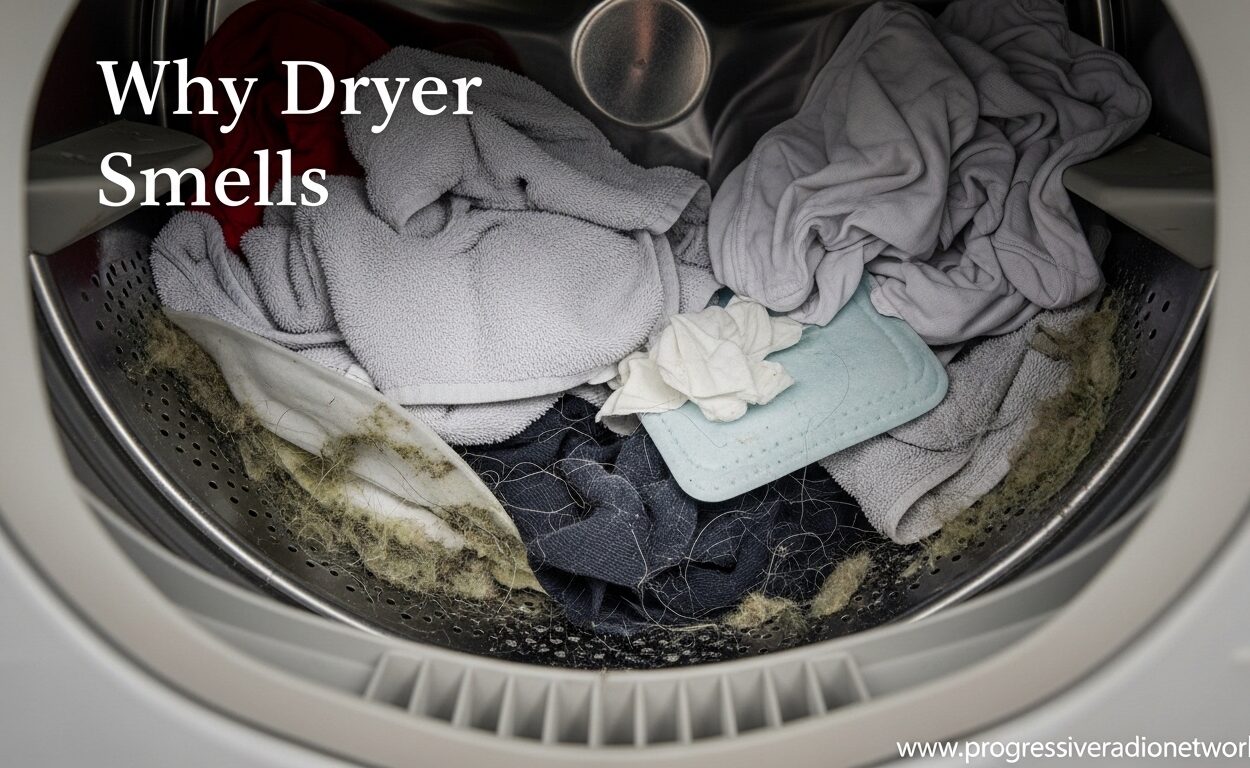
If you’ve noticed an unusual odor coming from your clothes dryer, you’re not alone. Dryer smells are a common household problem that can range from mildly annoying to potentially dangerous. Understanding why dryer smells develop is the first step toward eliminating the odor and preventing it from returning.
A smelly dryer can affect your laundry, make your clothes unwearable, and in some cases indicate serious safety issues. In this guide, I’ll walk you through the most common causes of dryer odors, how to identify them, and what you can do to fix them.
Most Common Dryer Smells and What Causes Them
Dryer odors generally fall into five main categories. Identifying which type of smell you’re experiencing will help you determine the cause and the right solution.
Musty or Mildew Odor – This is the most common dryer smell, caused by trapped moisture allowing mold and mildew to grow inside the drum, lint trap, or vent system.
Burning Smell – Can indicate lint buildup near the heating element, overheating components, or electrical issues. This smell requires immediate attention.
Rotten Egg or Gas Odor – Specific to gas dryers, this smell indicates a gas leak and requires immediate action for safety.
Chemical or Plastic Smell – Often caused by new dryer off-gassing, melted items, or overheating components.
Dead Animal Odor – Uncommon but memorable, this usually means a pest has entered the vent system and died.
Why Does My Dryer Smell Musty?
Musty dryer smells are almost always caused by moisture trapped somewhere in your dryer system. This creates the perfect environment for mold and mildew growth, which produces that characteristic damp, earthy odor.
The most common culprit is wet clothes left in the dryer for too long before starting the cycle. When damp laundry sits in the drum, moisture transfers to the interior surfaces and lint trap, creating ideal conditions for bacterial growth.
Another frequent cause is a clogged or restricted dryer vent. When your dryer can’t expel moist air properly, condensation builds up in the ductwork and drum. This problem is especially common in long vent runs or vents with multiple bends.
Lint buildup also contributes to musty smells. Lint traps moisture and odors from previous loads, creating a damp, smelly residue that transfers to clean clothes. If you live in a humid climate, this problem worsens because the ambient moisture prevents proper drying.
Front load dryers are particularly susceptible to musty smells due to their door seal design. Moisture can collect in the rubber gasket around the door, creating a hidden breeding ground for mold.
Why Dryer Smells Like Something Burning
A burning smell from your dryer should never be ignored. While some causes are minor, others can indicate serious fire hazards that require immediate attention.
The most common cause is lint buildup near the heating element or exhaust duct. Lint is highly flammable, and when it accumulates near heat sources, it can scorch or ignite, producing a burning odor. This is also the leading cause of dryer fires.
Electrical issues can produce burning smells too. A scorched power cord, faulty wiring, or a failing motor can emit an acrid, fishy, or burning rubber odor. These issues typically worsen over time and should be addressed by a professional.
Overheating components like the drive belt, idler pulley, or glides can also produce burning smells when they wear out. You might notice these odors accompanied by squealing or thumping sounds.
If you notice a burning smell, stop using your dryer immediately until you identify the cause. Check for visible lint buildup, inspect the power cord for damage, and call a professional if you suspect electrical problems.
Gas Dryer Smells: When to Worry
If you have a gas dryer, some odors are normal while others indicate serious problems. A slight gas odor when you first start the dryer is typically normal as the igniter activates and gas begins flowing.
However, a strong rotten egg smell indicates a gas leak and requires immediate action. Gas companies add mercaptan to natural gas to give it this distinctive odor for safety. If you smell this strongly, turn off your dryer, leave the area, and contact your gas company or emergency services.
Some gas dryers emit a kerosene-like smell occasionally. This is usually caused by fuel additives from your gas company and isn’t typically dangerous. If the smell is strong or persistent, contact your gas company to verify everything is operating correctly.
Gas dryers should never produce burning smells, which could indicate the gas burner is malfunctioning or the vent is blocked. These issues require professional service to prevent carbon monoxide buildup or fire hazards.
Is Your Washer Actually the Problem?
Many people assume their dryer is the source of laundry odors when the real culprit is actually the washing machine. This is especially common with high-efficiency front load washers.
If your clothes smell musty after drying but the dryer itself doesn’t have an obvious odor, check your washer first. Front load washers are notorious for mold growth in the door gasket, detergent drawer, and drum. This mold transfers to clothes during the wash cycle and the baking process in the dryer sets the odor.
To test if your washer is the problem, run a cycle with only clean, wet towels that haven’t been washed. If they come out smelling fresh, your dryer is likely fine. If they smell musty, focus your cleaning efforts on the washer instead.
How to Clean a Smelly Dryer
Cleaning your dryer is straightforward and can eliminate most odors within a few hours. Here’s a step-by-step approach:
Clean the Lint Trap – Remove lint from the screen and wash it with warm soapy water. Lint residue can trap odors and moisture. Let it dry completely before replacing.
Wipe the Drum – Mix equal parts white vinegar and water in a spray bottle. Spray the interior drum thoroughly and wipe with a clean cloth. The vinegar neutralizes odors and kills mold spores. Leave the door open to air dry.
Clean the Vent Hose – Disconnect the vent hose from the back of the dryer and vacuum out any lint buildup. Check the exterior vent opening and remove any debris blocking the flap.
Run a Cleaning Cycle – Place old towels in the dryer and run it on high heat for 15-20 minutes. The damp towels will help absorb any remaining odors from the system.
For persistent odors, you can place a bowl of vinegar in the drum and close the door. Let it sit overnight, then wipe clean and run the dryer empty for 10 minutes.
Quick Checks You Can Do Today
If your dryer smells, start with these simple checks before calling a professional:
- Remove and clean the lint trap thoroughly with soap and water
- Check behind the dryer for lint accumulation on the floor and walls
- Inspect the exterior vent flap to ensure it opens freely
- Wipe the door seal with vinegar solution
- Run the dryer empty for 10 minutes to identify if the smell persists
Prevention Tips for 2026
Preventing dryer smells is easier than eliminating them. These simple habits can keep your dryer smelling fresh year-round:
Always remove wet clothes from the washer promptly and never leave damp laundry sitting in the dryer overnight. Clean your lint trap before every load – not just when it looks full. This improves airflow and reduces moisture buildup.
Schedule professional vent cleaning at least once a year, or more often if you have a long vent run or do lots of laundry. In humid climates, consider running a dehumidifier in your laundry room to reduce moisture that can transfer to your dryer.
Leave the dryer door open between loads to allow moisture to escape. This is especially important if you’ve just run a sanitizing cycle or if your laundry room is particularly humid.
Inspect your dryer vent exterior regularly to ensure the flap opens freely and isn’t blocked by debris, plants, or animal nests. Birds and small animals often build nests in dryer vents, which can cause dangerous blockages.
Frequently Asked Questions
How do I get my dryer to stop smelling?
Clean the lint trap with soap and water, wipe the drum with a vinegar solution, and check the vent for blockages. For persistent odors, run a cycle with old towels on high heat to absorb remaining smells.
Can I spray vinegar in my dryer?
Yes, white vinegar is safe for dryers and excellent for eliminating odors. Mix equal parts vinegar and water in a spray bottle, apply to the drum, and wipe thoroughly. Always let the dryer air dry completely before using.
What are the warning signs of a dryer fire?
Warning signs include a burning smell that worsens during cycles, clothes taking longer to dry, excessive heat outside the dryer, visible lint accumulation around the appliance, and the dryer stopping mid-cycle. If you notice these, stop using the dryer immediately.
Can I still use my dryer if it smells burnt?
No. A burning smell indicates a potential fire hazard from lint buildup, electrical issues, or failing components. Stop using the dryer immediately and inspect for lint accumulation or damage. If the source isn’t obvious, call a professional technician.
Why does my laundry smell bad coming out of the dryer?
This usually means odor-causing bacteria or mold is present in your dryer drum, lint trap, or vent system. Clean the lint trap, wipe the drum with vinegar, and check the vent for blockages. Also check if your washer is transferring odors to clothes.
How do you get a stinky smell out of your dryer?
For stubborn odors, wipe the drum with a bleach solution (1 cup bleach to 1 gallon water), rinse thoroughly with vinegar water, and run the dryer empty on high heat. Ensure proper ventilation and leave the door open between uses.
Why is my dryer making a weird smell?
Unusual smells can indicate mechanical problems. Burning plastic or rubber suggests wiring or belt issues. Musty odors indicate mold growth. Chemical smells may mean overheating components. If you can’t identify the source, consult a professional technician.
How do I stop my dryer from making my clothes smell?
Clean the lint trap before every load, ensure proper venting, and never leave damp clothes sitting. Wipe the drum monthly with vinegar solution. If odors persist, have your vent professionally cleaned and check for mold growth in hidden areas.
Conclusion
Understanding why dryer smells develop helps you identify and eliminate the problem quickly. Most dryer odors stem from moisture buildup, lint accumulation, or ventilation issues – all problems you can address with regular maintenance and proper cleaning habits.
Remember that burning smells and gas odors require immediate attention for safety reasons. When in doubt, consult a professional technician to inspect your dryer and vent system. Regular maintenance not only eliminates odors but also extends your dryer’s lifespan and reduces energy costs.
By following the prevention tips outlined here, you can keep your dryer smelling fresh and your laundry clean throughout 2026 and beyond.




Leave a Comment