
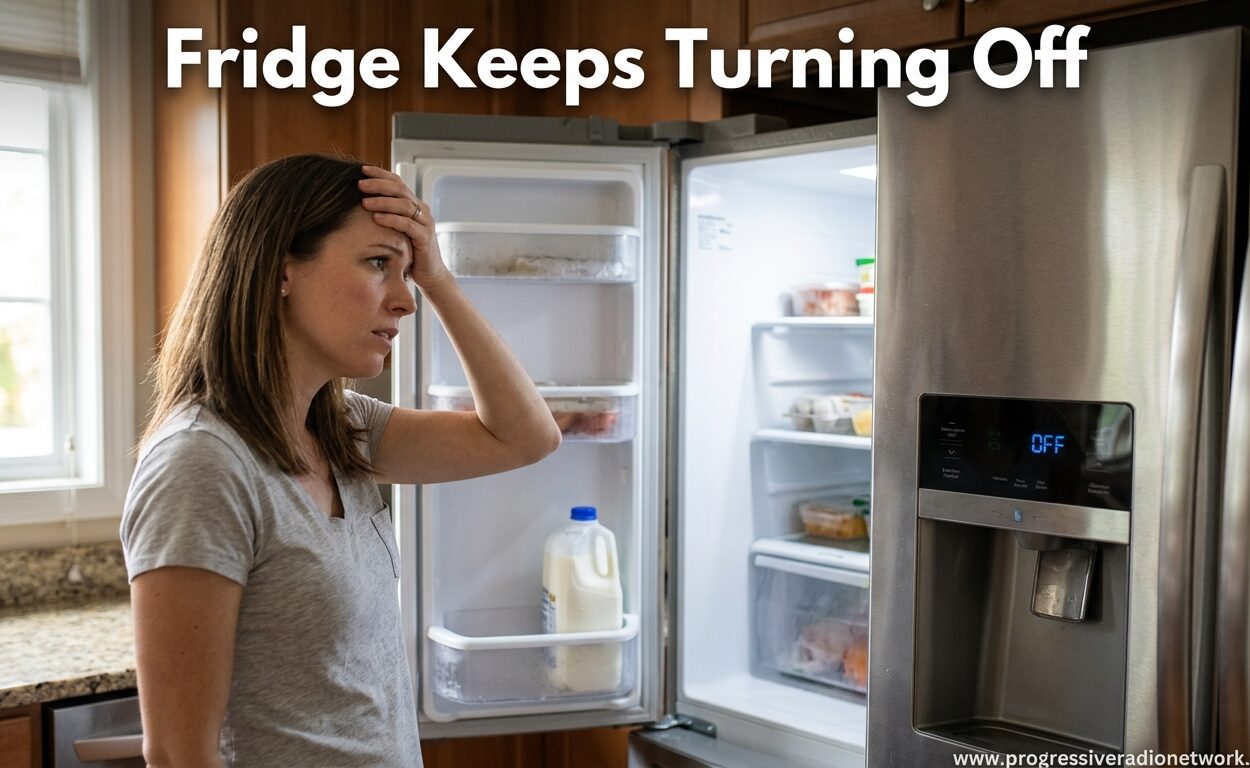
Your refrigerator keeps turning off and you’re worried about your food spoiling. I understand the frustration—this is one of the most common appliance problems homeowners face. A fridge that keeps shutting off isn’t just annoying; it can lead to spoiled groceries, higher energy bills, and potentially expensive repairs if ignored.
After researching hundreds of forum discussions and appliance repair cases, I’ve found that most refrigerator shutdown issues stem from just a handful of components. In this guide, I’ll walk you through exactly why your fridge keeps turning off and how to fix it.
Is Your Fridge Turning Off Normally or Is There a Problem?
Before you panic, it’s important to understand that refrigerators naturally cycle on and off. This is completely normal behavior. A healthy refrigerator typically runs for about 30-40 minutes, then shuts off for 20-30 minutes before cycling back on. This on-off pattern repeats throughout the day to maintain the set temperature.
However, there’s a difference between normal cycling and a problem. If your fridge keeps turning off every few minutes and won’t stay running, that’s abnormal. If it shuts off completely and won’t restart, that’s also a red flag. The key is timing—normal cycling happens in longer intervals, while malfunction causes frequent or permanent shutdowns.
I’ve seen many people confuse normal cycling with a malfunction. One forum user nearly replaced their entire refrigerator only to learn it was operating normally. Always observe the timing pattern before assuming there’s a problem.
Faulty Thermostat: The Most Common Cause
A faulty thermostat is the leading cause of refrigerators that keep shutting off unexpectedly. The thermostat is essentially your fridge’s brain—it senses the internal temperature and tells the compressor when to run. When it fails, it can send incorrect signals or no signals at all.
The signs of thermostat failure include temperature fluctuations, the fridge turning off too frequently, or running continuously without stopping. You might notice the compressor clicking on and off rapidly, which indicates the thermostat is cycling erratically.
To test your thermostat, first unplug the refrigerator for safety. Locate the thermostat (usually inside the main compartment) and use a multimeter to check for continuity. If there’s no continuity when the thermostat is turned to its coldest setting, it’s faulty and needs replacement.
Most thermostats cost between $20-60 and are relatively easy to replace yourself. If you’re comfortable with basic tools, this is a solid DIY repair. Just remember to always unplug the appliance before starting any work.
Start Relay Problems: Why Your Compressor Won’t Stay Running
If you hear a clicking sound followed by silence, your start relay is likely failing. The start relay is a small component that gives the compressor the electrical boost it needs to start running. When it goes bad, the compressor tries to start, clicks, then shuts off to protect itself from damage.
This clicking pattern is unmistakable—click, wait a few minutes, click again. The refrigerator might run for a few seconds or minutes before shutting down. Based on forum discussions, this is one of the most common symptoms people misdiagnose as a dead compressor.
The good news is that start relays are inexpensive (typically $15-40) and easy to replace. They’re usually located on the side of the compressor near the bottom back of the fridge. Simply disconnect the old relay, note the wiring configuration, and install the new one.
I’ve seen many people spend hundreds on unnecessary compressor replacements when a $20 relay would have solved the problem. Always test the start relay before assuming the compressor is bad—this simple step can save you significant money.
Defrost Timer Malfunction: When Your Fridge Gets Stuck in Defrost Mode
Your refrigerator has a defrost cycle that runs periodically to melt ice buildup on the evaporator coils. The defrost timer controls this cycle, typically running a defrost cycle every 8-12 hours for about 20-30 minutes. When the timer malfunctions, your fridge might get stuck in defrost mode and never restart cooling.
Symptoms of a bad defrost timer include the fridge running normally then suddenly shutting off and not restarting, or the freezer developing thick ice buildup while the fresh food compartment warms up. You might notice the defrost cycle lasting much longer than the normal 30-minute window.
Most defrost timers have a manual advance screw. Try advancing it slowly with a screwdriver—if the compressor starts, the timer is likely faulty. You can also test it with a multimeter to check for proper operation.
Replacement defrost timers typically cost $30-80 and are accessible for DIY repair. However, if you’re not comfortable working with electrical components, this is a good time to consider professional help.
Dirty Condenser Coils: The Silent Killer of Refrigerator Performance
Dirty condenser coils are one of the most overlooked causes of refrigerator shutdowns. These coils dissipate heat from the refrigerator, and when they become clogged with dust, pet hair, and debris, the compressor has to work much harder. Eventually, the compressor overheats and shuts off as a protective measure.
Many people don’t realize their coils need regular cleaning. I’ve personally seen refrigerators that hadn’t been cleaned in 10 years—the coils were completely buried in dust. The compressor would run for 5 minutes then shut off from overheating.
Cleaning your condenser coils is simple maintenance that can prevent shutdown issues and extend your refrigerator’s lifespan. Use a vacuum with a brush attachment or a coil cleaning brush (available at hardware stores for about $10). Clean the coils at least once a year, or more often if you have pets.
The coils are typically located either on the back of the fridge or behind a kick plate at the bottom front. After cleaning, you should notice your refrigerator running more quietly and cycling less frequently.
Door Seal (Gasket) Problems: Letting Cold Air Escape
A damaged or worn door seal might seem like a minor issue, but it can cause major problems. When cold air escapes through a faulty gasket, the refrigerator has to run more frequently to maintain temperature. This constant cycling can lead to overheating and premature shutdown.
Testing your door seal is easy. Close the door on a dollar bill and try to pull it out. If it slides out easily with no resistance, your seal is compromised. Test multiple points around the door—seals often fail in specific spots first.
Physical signs of a bad seal include visible cracks, tears, or areas where the rubber feels hard and brittle instead of pliable. You might also notice condensation around the door opening or frost buildup in certain areas of the freezer.
Replacement door gaskets cost $40-100 depending on your refrigerator model. Installation is straightforward—most simply peel off and press on. However, some models require the door to be removed for proper installation, which can be more challenging.
Other Potential Causes to Consider
While the issues above cover most cases, there are other less common causes of refrigerator shutdowns. The temperature control board (also called the main control board) can fail, sending incorrect signals to various components. This is more common in newer refrigerators with electronic controls.
A faulty thermistor (temperature sensor) can also cause shutdown issues. The thermistor sends temperature readings to the control board, and when it fails, the board may shut down the refrigerator as a safety measure. Testing thermistors requires a multimeter and knowledge of resistance values at different temperatures.
In rare cases, the compressor itself may be failing. This is the most expensive repair, typically costing $300-600 or more. If you’ve ruled out all other causes and the compressor is the culprit, you’ll need to decide whether repair or replacement makes more sense based on your refrigerator’s age and condition.
When to Call a Professional Technician
Some refrigerator repairs are definitely DIY-friendly, but others require professional expertise. If you’re not comfortable working with electrical components or the repair involves refrigerant handling, call a professional. Refrigerant repairs require specialized equipment and EPA certification.
Consider professional help if you’ve tried the basic troubleshooting steps without success, if your refrigerator is under warranty (DIY repairs can void coverage), or if the repair cost approaches 50% of a new refrigerator’s price. For compressors and sealed system repairs, professional diagnosis is almost always recommended.
A qualified technician can accurately diagnose complex issues and provide repair estimates. Many people find that professional diagnosis gives them peace of mind and helps them make informed decisions about repair versus replacement.
FAQ
How to fix a fridge that keeps tripping?
First, check if the condenser coils are dirty and clean them thoroughly. Inspect the start relay for signs of burning or damage and replace if faulty. Test the thermostat for proper operation using a multimeter. Ensure the refrigerator isn’t overloaded and that air vents aren’t blocked. If these steps don’t resolve the issue, the problem may be with the compressor or control board, requiring professional diagnosis.
What to do if your fridge shuts off?
First, don’t panic—check if it’s normal cycling by waiting 30 minutes. Verify the refrigerator is plugged in and the circuit breaker hasn’t tripped. Clean dirty condenser coils if present. Listen for clicking sounds which indicate start relay issues. Check that the door is closing properly and the seal isn’t damaged. If the refrigerator won’t restart after basic troubleshooting, unplug it for an hour then try again—this can reset the control board. Call a technician if problems persist.
What are the signs of a dying refrigerator?
Frequent cycling on and off, temperatures fluctuating significantly, excessive condensation inside or outside the unit, unusual noises (clicking, buzzing, or grinding), higher than normal energy bills, food spoiling before expiration dates, ice buildup in the freezer, the refrigerator running continuously without stopping, or frequent shutdowns that require manual intervention. If your refrigerator is over 10-15 years old showing these signs, replacement may be more cost-effective than repair.
Why does my fridge randomly stop running?
Random shutdowns typically point to component failure. The most common causes are a faulty thermostat sending incorrect signals, a failing start relay preventing compressor startup, or a malfunctioning defrost timer interrupting cooling cycles. Dirty condenser coils can cause overheating shutdowns, while a bad temperature control board may send erratic signals. A dying compressor may also start then stop repeatedly. The specific pattern of shutdowns (clicking sounds, time between cycles, temperature changes) helps identify which component is failing.
How often should a refrigerator kick off and on?
A properly functioning refrigerator typically completes a full cycle every 45-60 minutes, running for 30-40 minutes then shutting off for 20-30 minutes. This cycle repeats throughout the day to maintain temperature. Frequency varies based on factors like room temperature, how often the door is opened, and how much food is stored. More frequent cycling (every few minutes) indicates a problem. The compressor should not run continuously without stopping, nor should it stay off for extended periods. Normal cycling maintains consistent temperatures while conserving energy.
Conclusion
A fridge that keeps turning off is frustrating, but most causes are diagnosable and repairable. Start with the basics: check that it’s not normal cycling, clean those condenser coils, and test the most common culprits like the thermostat and start relay. Many forum users have solved their shutdown issues with these simple steps.
Remember that safety comes first—always unplug your refrigerator before attempting any repairs. If you’re unsure about your ability to safely complete a repair, there’s no shame in calling a professional. Your refrigerator is a significant investment, and proper repairs can add years to its lifespan.



Leave a Comment