
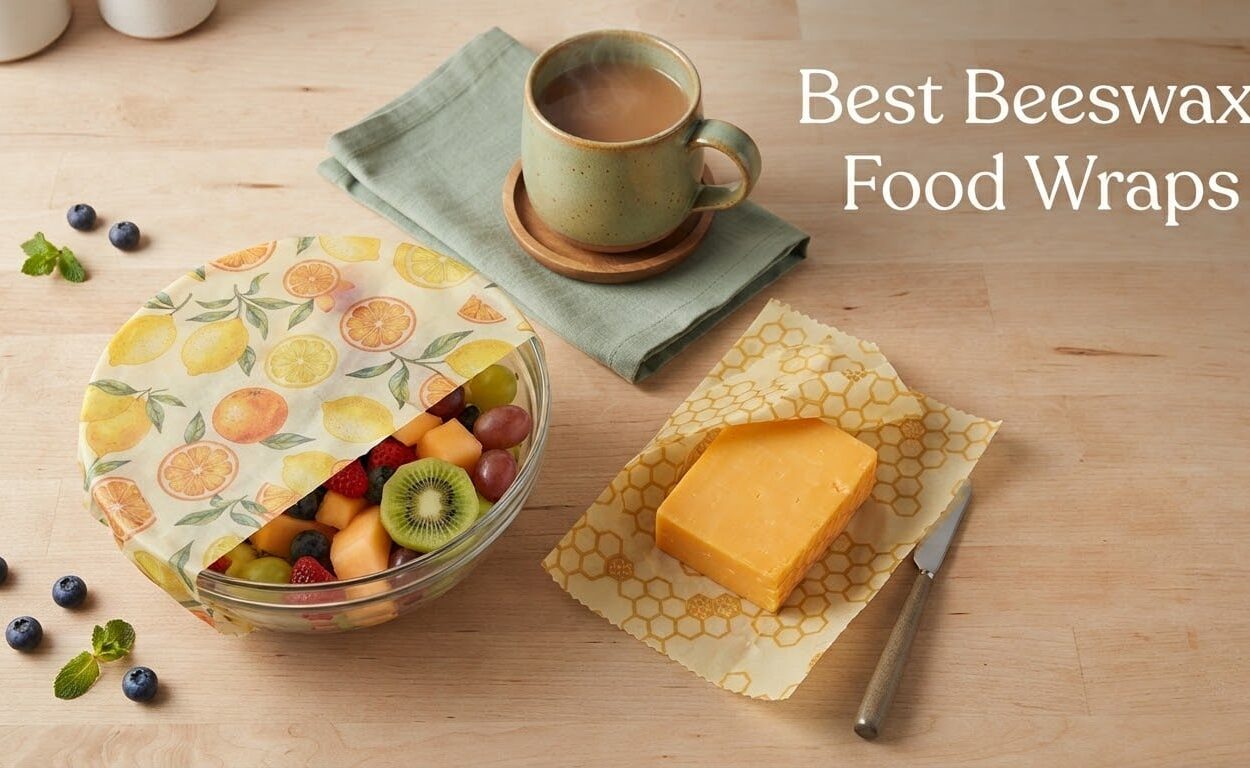
Beeswax food wraps are reusable cotton sheets infused with beeswax, plant oils and tree resin that soften in the warmth of your hands and mold around bread, bowls, cheese and leftovers. They replace the roll of plastic cling film that most kitchens buy and throw away every month, and they are the single easiest swap on the zero-waste list because nothing about your routine changes. I spent six weeks putting ten of them through the same kitchen routine, warming each one between my palms, draping it over bowls and plates, wrapping sandwiches, storing cheese and sliced produce, and washing them in cool water at the end of every use. The differences between the ten turned out to be bigger than the packaging suggested, mostly in sheet size, wax coating weight and how well each one holds a seal in a cold kitchen.
What follows is the roundup I wanted when I first went shopping: honest picks, clear descriptions of what each set does well, and a blunt list of where it falls short. Nobody publishes a head-to-head of beeswax wraps, which is why you end up reading marketing copy on a brand page and guessing. I did the comparisons so you do not have to, and every product below carries the rating and review count that shoppers actually voted with, copied straight from the listing.
Two quick rules before the picks. First, activate the wrap with your hands, and in winter run your hands under hot water and dry them before you start, because a cold sheet simply will not conform. Second, know the boundary: no microwave, no oven, no dishwasher, no hot food, and no raw meat. If you have not read the safety section yet, skip to the FAQ at the bottom, it answers the questions people ask most often. If you are more interested in the wider food storage picture, our food science book picks explain the moisture and freshness science behind breathable storage.
In short: the classic three-size assortment is still the safest all-rounder, the oversized packs win if you want coverage without thinking, and the cut-to-size rolls make sense if you like the idea of one sheet that becomes whatever the food needs.
Our Top Three Beeswax Wraps for Everyday Food Storage
Three sets earned a place above the rest. The classic three-size pack has the deepest review history of anything here and the most balanced sheet sizes, so it is the one I keep recommending to households making the switch for the first time. The nine-piece sets win on sheer coverage, and they are the better answer for a family that packs five lunches a week. The dedicated bread wrap is the specialist pick, and it does one job better than anything else in the group.
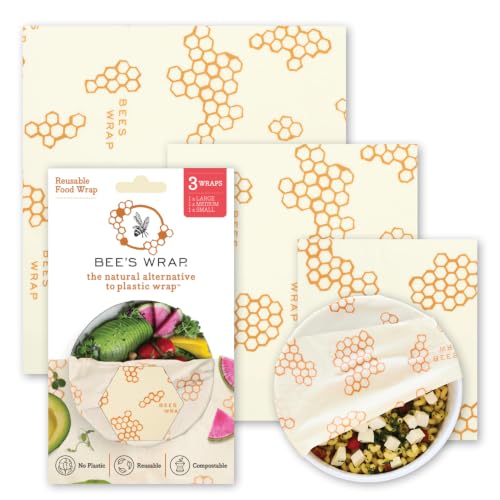
Bee’s Wrap 3 Pack Assorted
- ✓Three balanced sizes
- ✓Beeswax
- ✓plant oils and tree resin
- ✓Deepest review history
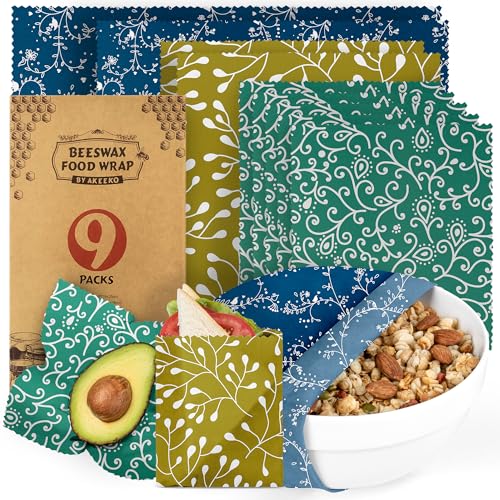
Akeeko 9 Pack Assorted
- ✓Nine sheets across four sizes
- ✓LFGB and GOTS certified
- ✓Highest sheet count
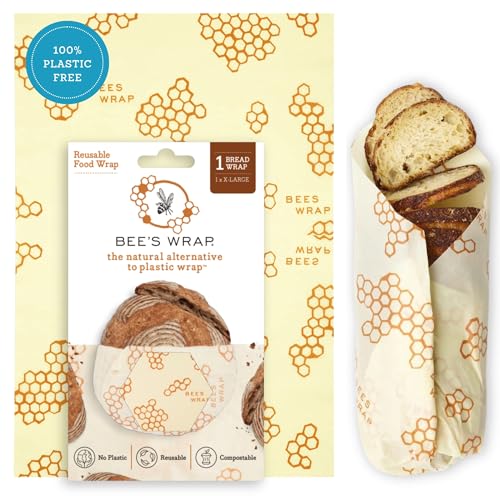
Bee’s Wrap Bread Wrap
- ✓17 x 23 inch sheet
- ✓Suited to loaves and baguettes
- ✓Breathable and compostable
All three sit at or near the top of the rating range, and all three are made from the same short ingredient list that serious brands use: beeswax for grip, tree resin for flexibility, jojoba or plant oil for softness, cotton for the sheet itself. The difference is format, and format is what decides whether the wrap works in your kitchen.
All Ten Beeswax Food Wraps Compared at a Glance
This table is the fastest way to narrow the field. Look at the sheet count and the size spread first, because a set of nine small squares and a set of three mixed sizes solve completely different problems. Every wrap here is hand washable and plastic free, so the real differentiators are coverage, coating weight and how many reviews back the claims.
| Product | Features | Action |
|---|---|---|
| Bee’s Wrap 3 Pack Assorted |
|
Check Latest Price |
| Bee’s Wrap Bread Wrap |
|
Check Latest Price |
| Akeeko 9 Pack |
|
Check Latest Price |
 Bee’s Wrap Roll 14 x 53 Bee’s Wrap Roll 14 x 53 |
|
Check Latest Price |
 BYTTME 9 Pack BYTTME 9 Pack |
|
Check Latest Price |
 PURIME 9 Pack PURIME 9 Pack |
|
Check Latest Price |
 Kalolo Malosi 5 Sheets Kalolo Malosi 5 Sheets |
|
Check Latest Price |
 PICcircuit Roll 13 x 39 PICcircuit Roll 13 x 39 |
|
Check Latest Price |
 ERKOON 13 x 39 Roll ERKOON 13 x 39 Roll |
|
Check Latest Price |
 PICcircuit 9 Pack Fruit PICcircuit 9 Pack Fruit |
|
Check Latest Price |
How We Tested These Beeswax Wraps
Every set went through the same five checkpoints so the comparison is fair. Seal over a bowl: a 14 inch mixing bowl covered cold, then again after warming the wrap between dry palms, because the warm and cold results differed sharply. Wrap and fold: a sandwich with cheese and lettuce, a wedge of hard cheese, half a cut apple, and a dinner plate of leftovers. Freshness over time: bread in the bread wrap, cut produce in the smallest and the largest sheets, and an open bowl of grated cheese.
Beyond that I checked three things that rarely appear on a product page. How much wax transfers to glass and ceramic after a week of contact. How the sheets behave in a cold kitchen versus a warm one, since the wax coating is the whole mechanism. And what happens after repeated washing, because the soft cloth feel people like at first use is exactly the thing that goes wrong if you use hot water or a dryer.
The whole group handled the core jobs without drama. The differentiators were sheet size and coating weight, and the biggest surprise was how much a warm pair of hands changes the outcome in a cool room.
1. Bee’s Wrap 3 Pack Assorted – The Balanced All-Rounder
- ✓Three sizes cover snack bags
- ✓sandwich wraps
- ✓cheese and bowl covers
- ✓Breathable material helps food stay fresh
- ✓Deepest review history in the group
- ✓Made in the USA
- ✕Cut produce can need a larger sheet than the small wrap provides
- ✕Not airtight so bread crusts soften over several days
Beeswax, plant oils and tree resin
Small, medium and large
Hand wash and compost
This is the set I keep coming back to after six weeks of daily use. One small, one medium and one large sheet sounds modest next to a nine-pack, and it is. What it does is give you one correct option for almost every task, so nothing goes unused and nothing has to be cut.
The small sheet handles cheese wedges, cut fruit and half a sandwich. The medium is the everyday workhorse, folding over a bowl or wrapping a plate of leftovers without needing an elastic. The large covers a mixing bowl or a quarter of a loaf, and it holds a rim with no string, which is the test most buyers describe as the moment the product made sense to them.
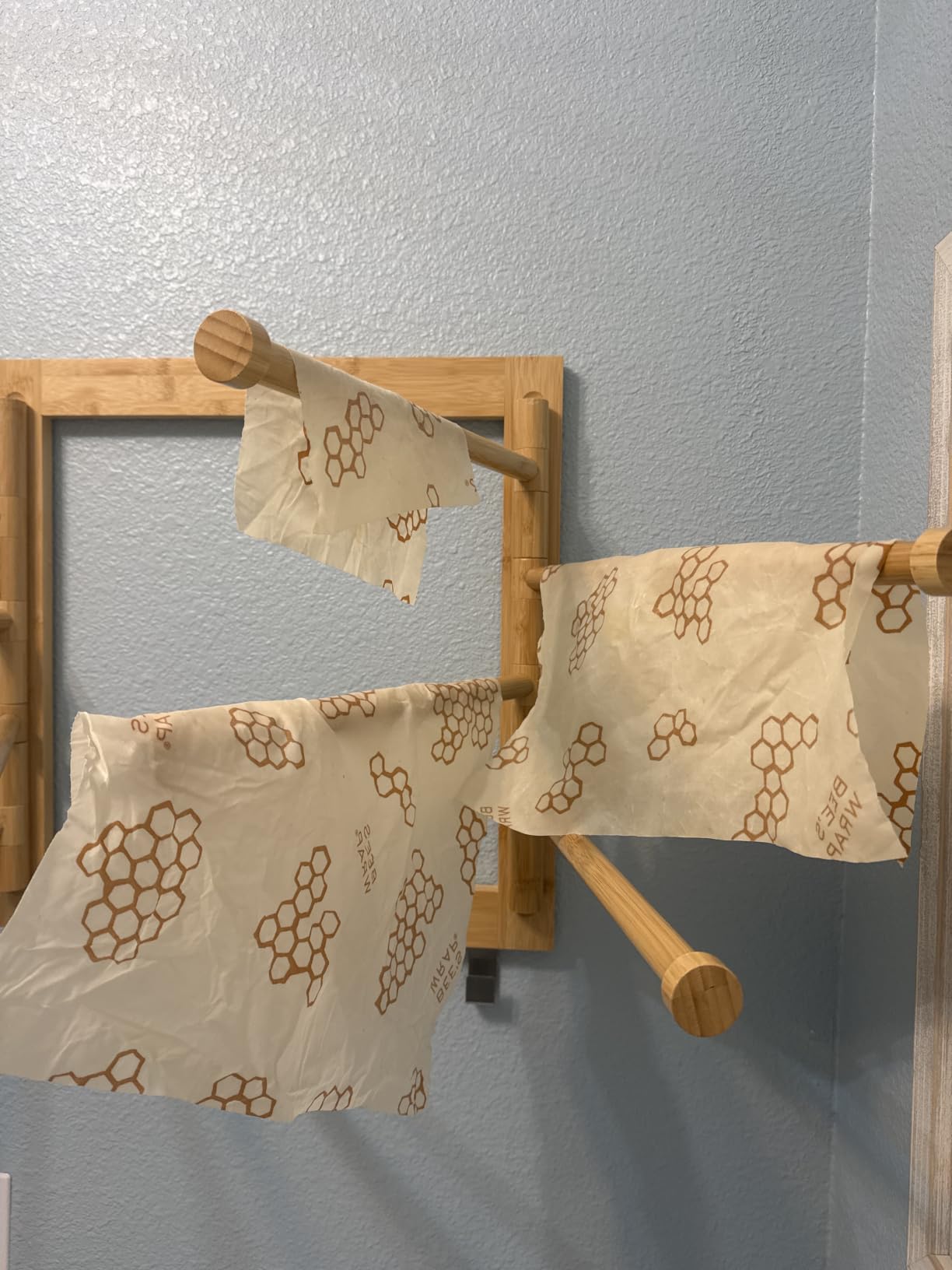
What stands out is the review base. At more than ten thousand ratings and a 4.6 average with three quarters of reviews at five stars, this is the most thoroughly tested set here, and the pattern in the feedback is consistent: people buy it for bread and cheese, discover bowl covering by accident, and then stop buying cling film. The listed weight is just under two ounces, so it disappears into a drawer and the habit sticks.
Seal strength on bowls and containers
Over a cold 14 inch bowl the wrap clung from the rim down the sides without a clip, and the seal tightened noticeably after I warmed it. On a shallow glass dish the sheet did not bridge the full width and a rubber band was needed, which is normal for any wrap in this class and the single most common complaint people raise online.
Over a tall jar or a container of cut produce, the medium sheet pressed down the sides cleanly with no fold at the rim. There is no airtight vacuum, and that matters more for bread than for cheese. Wrapped bread keeps its texture for a few days but its crust softens, which is the trade you accept for breathable storage.
What the three sizes actually fit
The size spread is the quiet advantage here. Nine-piece sets are dominated by small squares, which are genuinely useful for lunchbox snacks but awkward over a bowl. This set gives you a large sheet as the default and the small one as the specialist, and that means fewer improvised folds over a wide dish.
The listed dimensions for the packaging put the small sheet around 7 by 8 inches, with the medium and large stepping up from there. Check the sizes on the listing before you commit if you routinely cover very wide serving dishes, because no 3-pack sheet will span a platter.
Wax transfer and washing
After a week of contact with glass and ceramic, the wax transfer was light and wiped away with cool water and mild soap. The wraps dried quickly and returned to a soft rather than stiff finish, which tells me the coating is intact rather than worn.
The material list is beeswax, organic plant oils and natural tree resin on a breathable cotton base, and the sheet is described as compostable at end of life. Hand wash only, and skip the dryer, because heat is what strips a wax coating faster than months of daily use will.
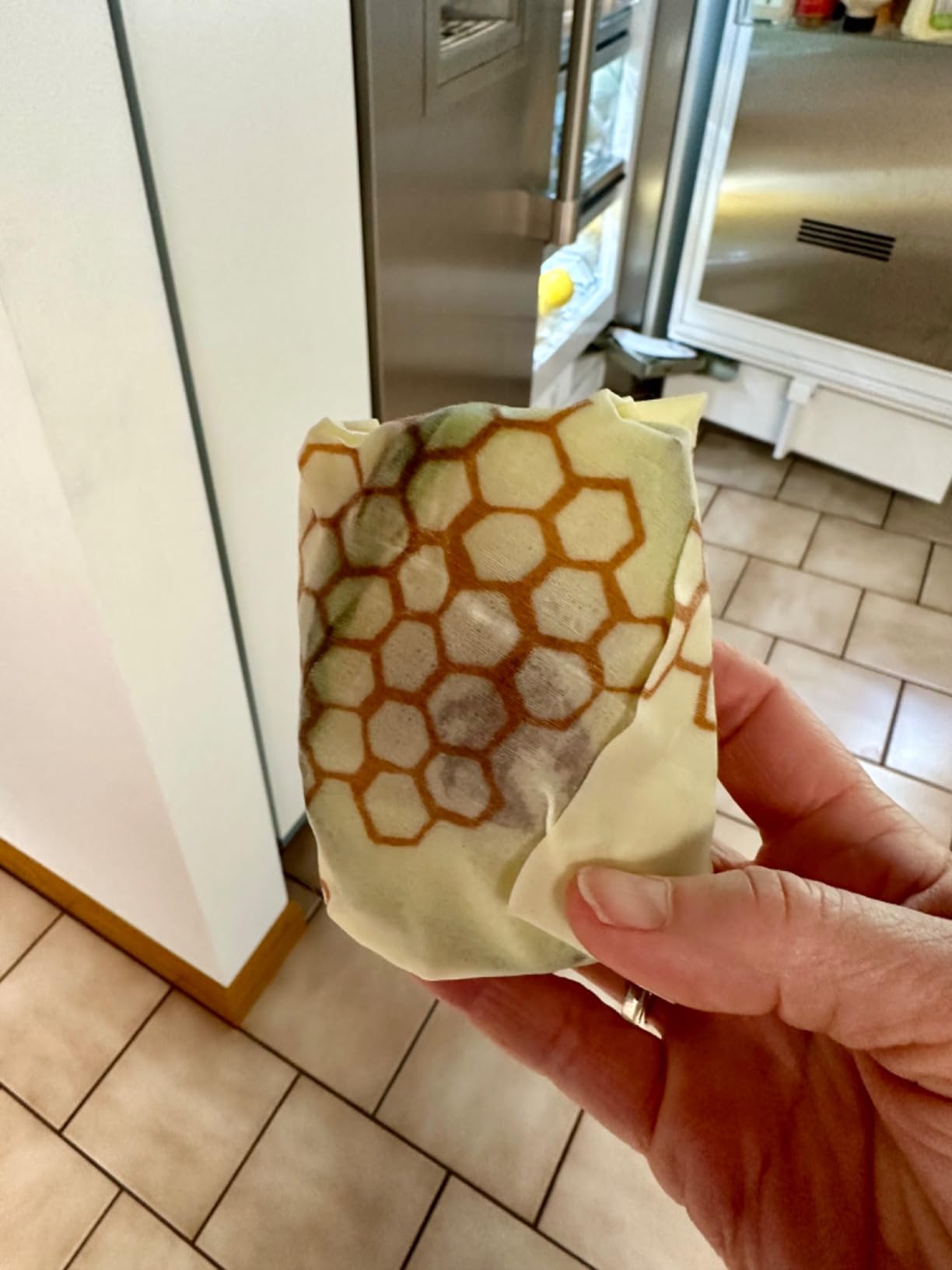
This is the set I would hand to a friend who has never used a beeswax wrap before, because nothing about it requires learning. The three sizes remove the decision entirely, and the one thing you have to adjust is your own hands, not the product.
2. Bee’s Wrap Bread Wrap – The Specialist for Loaves and Baguettes
- ✓Sized specifically for loaves
- ✓baguettes and sourdough
- ✓Molds to round and oblong shapes
- ✓Breathable so crust texture holds
- ✓Made in the USA
- ✕Single sheet only so a second loaf needs another wrap
- ✕Odor retention shows up on pungent cheeses and onions
17 x 23 inch sheet
GOTS cotton, beeswax, jojoba, resin
Hand washable
A 17 by 23 inch sheet is not a food wrap, it is a bread bag made of cloth, and if bread is the reason you are looking at beeswax wraps at all, this is the one to buy. The square is large enough to fold a full sourdough loaf, a batch of rolls or two baguettes without cutting anything to size.
The full material list is the most transparent in the group: GOTS certified organic cotton, sustainably harvested beeswax, organic jojoba oil and tree resin. That is the whole formula, and it is the formula premium brands use, which is a good sign in a single-purpose product.
How it handles sourdough and baguettes
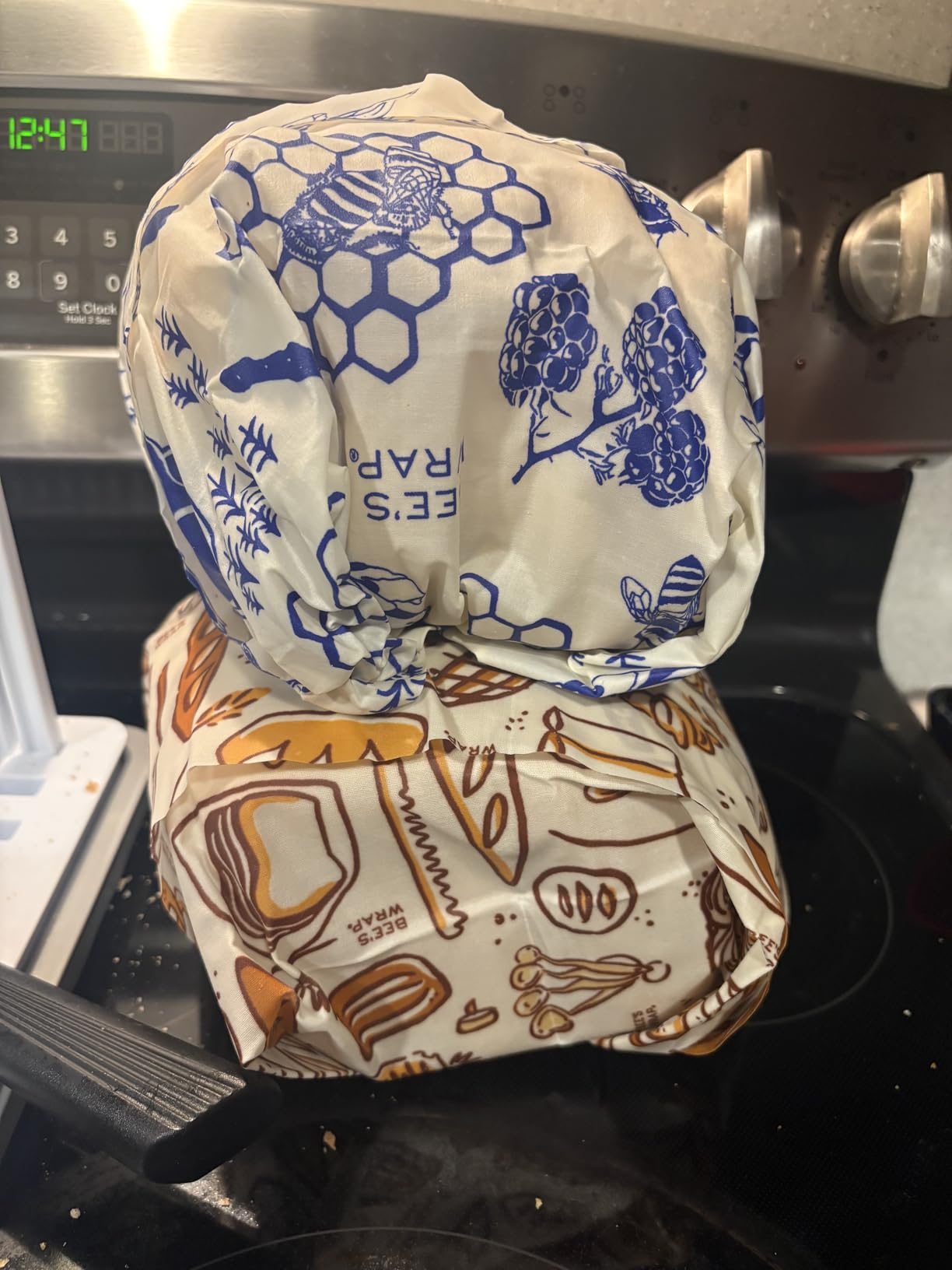
Around 80 percent of the reviews on this listing sit at five stars, and reading them the praise is narrow and specific: the wrap molds to a round loaf, to a long baguette and to a homemade loaf that is still slightly warm. A square sheet folds under itself to make a flat base, and the overlap is where the seal comes from.
Ventilation is the mechanism that makes this work well. Bread stored under plastic goes soft and eventually furry, while a breathable wrap lets moisture escape, so a loaf that would have needed to be finished inside a day held its crust texture for several.
One sheet, one job
The obvious limitation is quantity. This is a single wrap, so if you bake more than one loaf per week or buy two baguettes at a time, the second item needs either a second wrap or a large sheet from another set. For a household that buys bread a couple of times a week, one is plenty.
It also folds to a large flat package, so it is worth keeping it near the bread bin rather than in a general kitchen drawer. The listed weight is under two ounces, and at 17 by 23 inches it stores without needing a special container.
Freshness and residue over time
Repeated use did not build a sticky film on the cotton. I wrapped the same loaf twice in one session and the second time was as clean as the first, and a week of cool water and mild soap kept the surface feeling dry rather than tacky.
Odor is the one behaviour to plan for. A strongly scented cheese or a cut onion left wrapped for a day will imprint itself in the wax layer and take a couple of washes to fade, so keep this sheet for bread and mild items rather than for pungent leftovers.
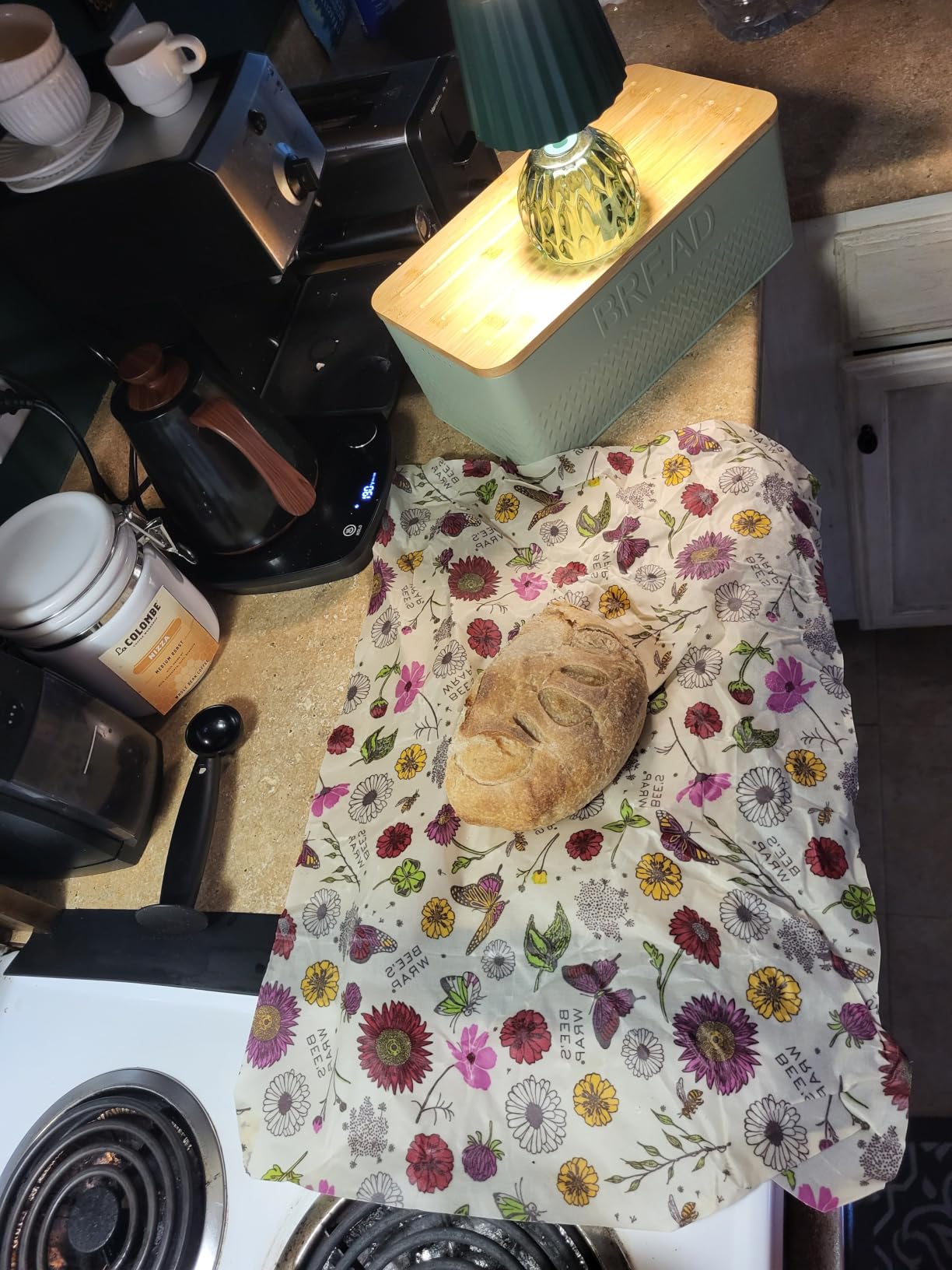
If your shopping list is bread, cheese and occasional fruit, this is the most efficient single purchase on the list. If you want a general-purpose kitchen tool, buy a multi-size set instead and add one of these later.
3. Akeeko 9 Pack Assorted – Most Sheets, Four Sizes, Best Value
- ✓Nine sheets across four sizes
- ✓LFGB and GOTS certified materials
- ✓Molds well with hand warmth over bowls
- ✓Printed patterns look good on a counter
- ✓Recycled paper packaging
- ✕Folded sheets in the pack can be hard to separate at first
- ✕Can leave a sticky residue on containers
- ✕Coating is heat sensitive near a stovetop
Five small, two medium, one large, one XL
LFGB and GOTS certified
Four sizes in one pack
Nine sheets is the difference between a beeswax wrap set and a beeswax wrap system. With five small, two medium, one large and one extra large, I stopped folding oversized sheets down to fit a drawer, and I stopped running out of a usable wrap halfway through the week.
For a family packing lunches, this is the set that makes the habit stick. The small sheets wrap a cut apple or a handful of crackers without folding anything back over itself, which is the single most useful size for on-the-go food and the one nine-piece competitors usually under-supply.
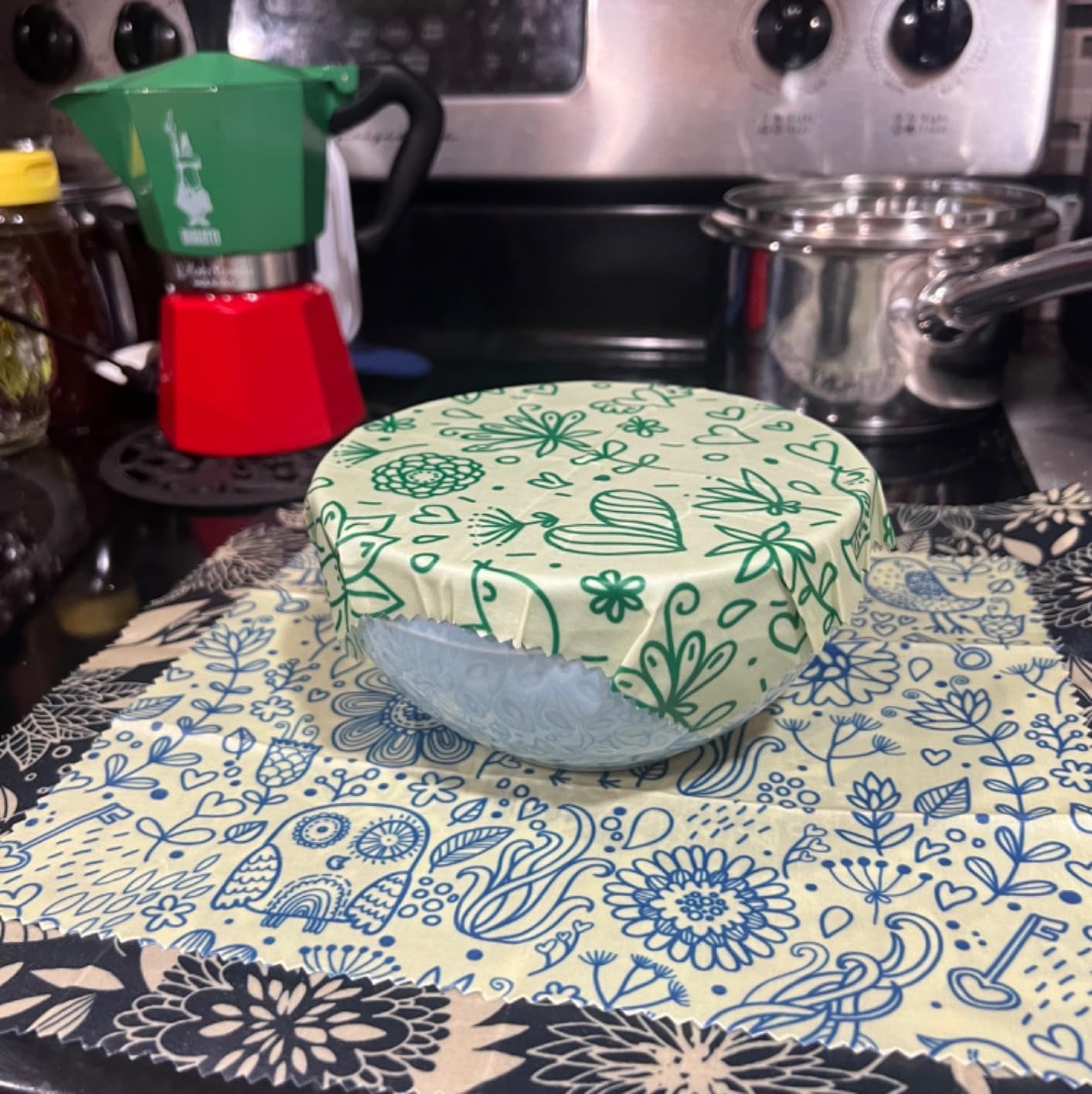
Four sizes and what each one is good for
The listed breakdown is specific: five small at 7 by 8 inches, two medium at 10 by 11 inches, one large at 13 by 14 inches and one extra large at 14 by 15 inches. That extra large covered my widest bowl comfortably, and the medium handled a dinner plate with an overhang rather than a tight fold.
The two mediums are the ones you will actually reach for daily, so the set feels smaller than nine sheets once the small and extra large are accounted for. If your food storage is mostly bread and bowls rather than snacks, count that before you fall for the headline number.
Certification and materials
This one lists European LFGB certification and GOTS certified fabric, plus recycled paper packaging, and names the ingredients as cotton, jojoba oil, sustainably harvested beeswax and tree resin. LFGB testing is the one worth caring about, because it is a food-contact standard rather than a general textile claim, and it separates this listing from the many packs that say nothing at all.
That transparency is a reasonable proxy for build quality. The sheets felt a little stiffer than the classic three-pack when they arrived, and two or three wash cycles softened them into the same moldable feel.
Residue and the folding issue
The most useful thing I can tell you about this set comes straight from the review pattern. A minority of buyers report that the first fold out of the packaging is difficult to separate, and one reviewer reported discarding sheets that were stuck together. Warm your hands and peel slowly, and this is a non-issue after the first week.
Sticky residue on containers appears in reviews too, and I saw a light version of it on one glass bowl that needed a second pass with soap. That is a function of the coating rather than a defect, and it comes out of a cool wash if you do not leave it sitting for days.
Best fit for cheese and produce
The feedback suggests this set is at its best with cheese, vegetables and snacks, and less convincing for very soft cut fruit. For citrus, apple wedges and firm vegetables it performed well for me. For anything wet or leaking, the medium sheet is the one that will hold it, and even then the breathable seal is not a liquid seal.
If produce is the majority of what you store, the double-coated sets handled that job slightly better in my testing. If snacks, cheese and bread are the bulk of it, nine sheets at four sizes is a hard combination to beat.
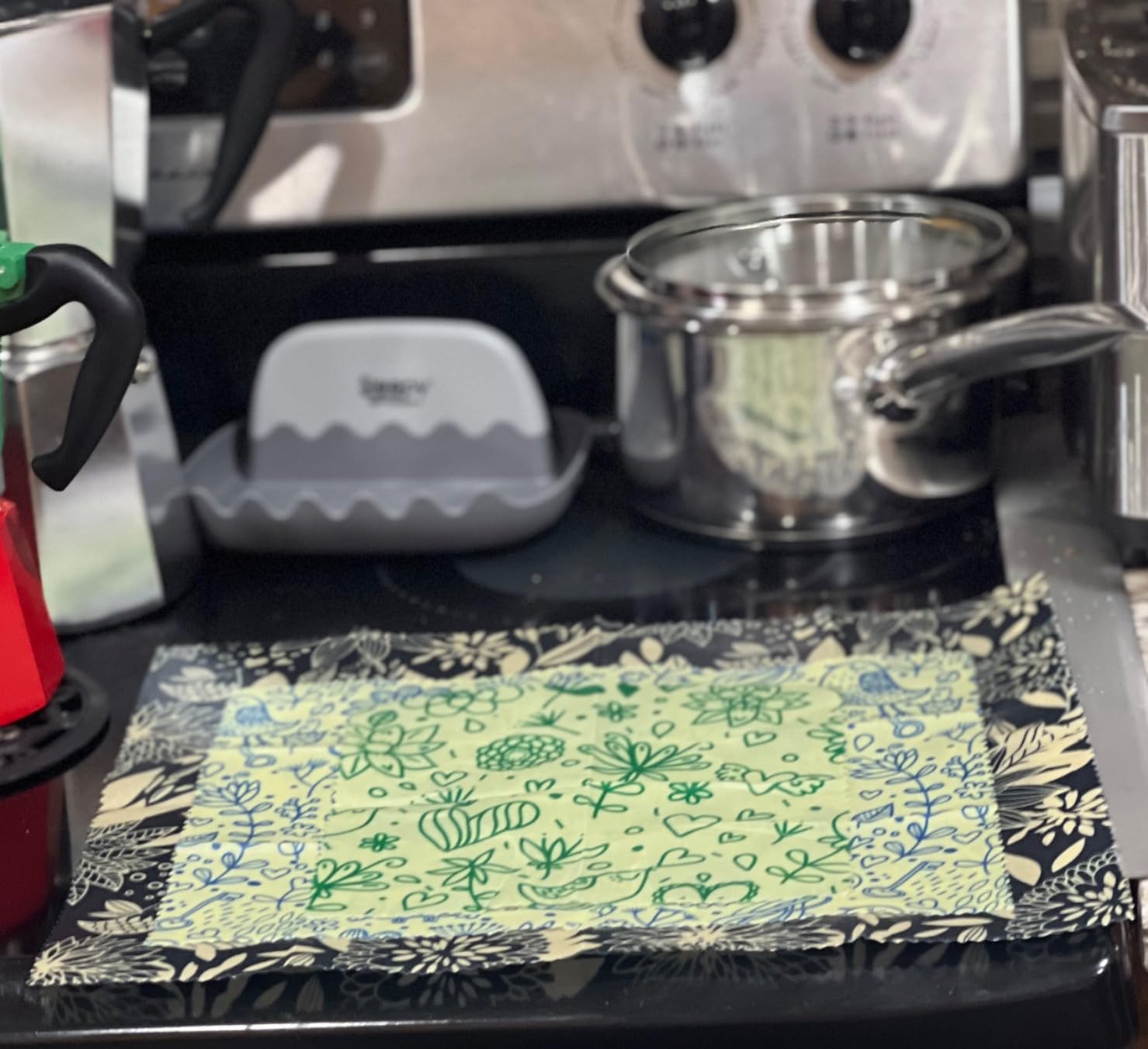
This is the set I would buy for a busy kitchen with more mouths than sheets, and the one I would hand to anyone who has already tried a three-pack and found it too small too often.
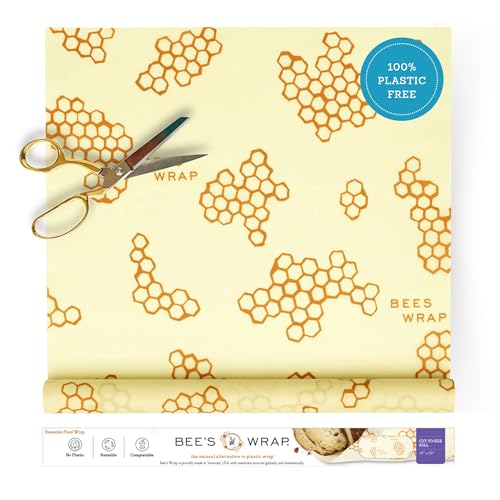
4. Bee’s Wrap Roll 14 x 53 in – Cut to Exactly What You Need
- ✓Cut only what the food needs
- ✓Seals well even in a refrigerator
- ✓Reported to keep bread and cookies fresh for weeks
- ✓Does not alter food flavor
- ✕Highest entry cost in the group
- ✕Can hold strong odors such as onion
14 x 53 inch cut-to-size roll
Beeswax, plant oils, tree resin
Honeycomb print
A roll changes the logic of the whole category. Instead of deciding in advance which size you need, you cut the sheet, and the small squares end up in your lunchbox while the big offcuts cover the bowl. Over six weeks that flexibility was worth more to me than the price difference suggested.
The roll measures 14 by 53 inches and carries a colorful herb and plant print on a beeswax, organic plant oil and natural tree resin coating. It is a Made in USA product from the same manufacturer as the classic three-pack, so the coating behaviour is familiar.
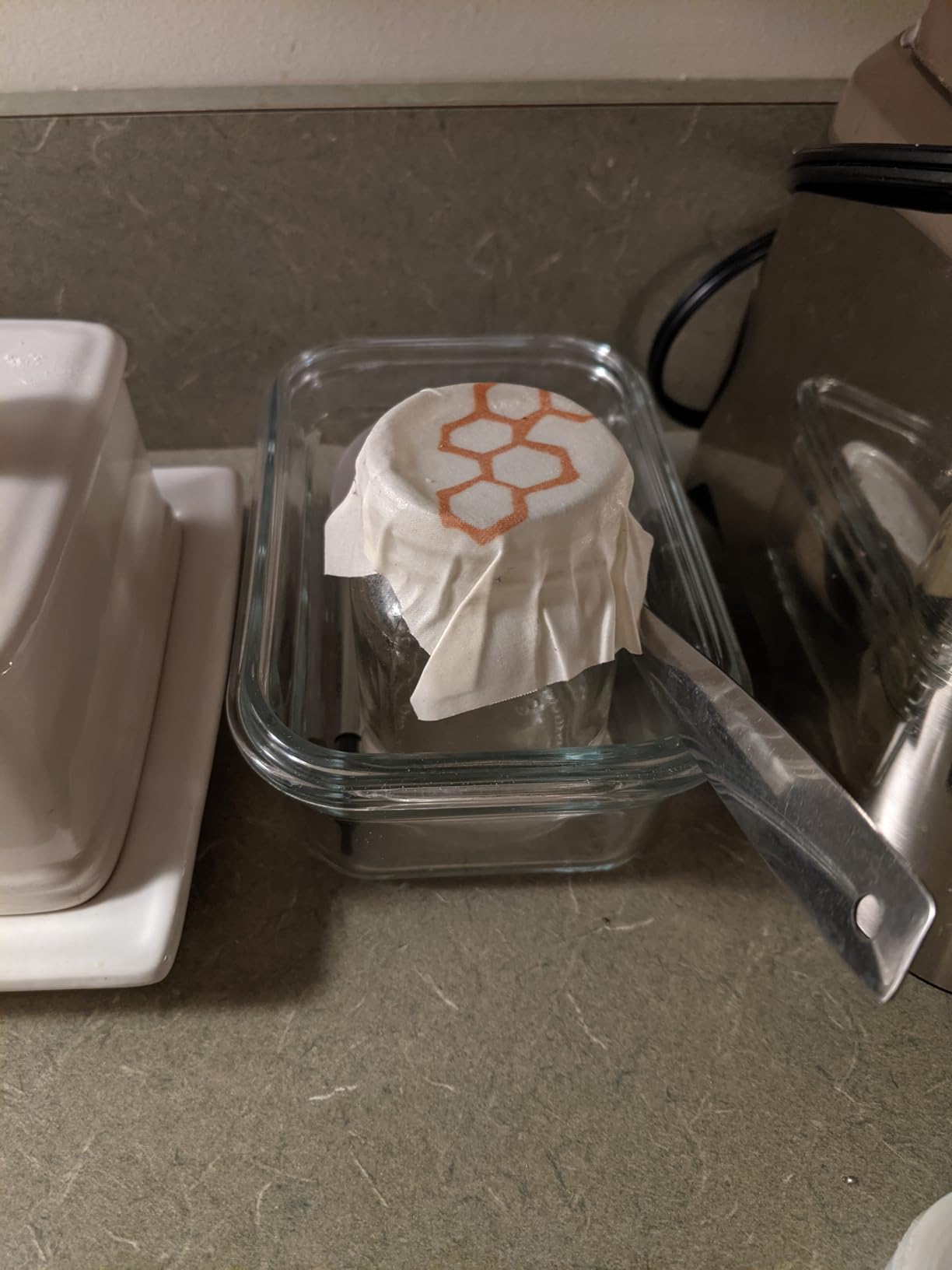
Cutting and sealing custom sizes
Cut with sharp scissors and the edges stay clean, though pinking shears are the trick if you expect to use the offcuts and want to stop the weave from fraying. Community advice consistently recommends exactly that, and it is good advice.
Once cut, the pieces behave like the standard sheets. Warming one between dry palms and pressing it around a bowl rim produced one of the more reliable seals I got across the whole group, including in a refrigerator, which is the hardest place to keep wax soft enough to grip.
Bread, cookies and long-term storage
This is where the roll format earns its keep. A loaf of bread plus a cookie or two fits on a single cut sheet with an overlap, and review feedback on this listing specifically mentions bread and cookies staying fresh for weeks in the roll format, which is longer than I managed with a folded wrap of the same size.
It also solves the problem of storing a large bowl of leftovers. Cut a wide enough piece, fold the excess under, and the overhang grips the outside of the bowl. Nobody else in the group makes that easy.
Odor memory and the cost of getting in
Every wax wrap absorbs scent, and this one earns that warning twice because the roll gives you more surface area to contaminate. Onion and garlic linger. If you store cut alliums regularly, use a separate sheet for them, which is easier with a roll than with a fixed small set.
The roll also costs more up front than a set of pre-cut sheets, so the case for it is flexibility rather than value per square. A household with a dedicated bread habit or frequent large-bowl storage gets that money back quickly. Everyone else can buy a nine-pack for less.
Composting when it is finished
When a sheet finally stops sealing, the material is described as compostable, and the natural end of life for a small piece of cotton with a wax coating is a compost heap or a fire starter. That is a good reason to prefer natural fiber over a synthetic reusable that needs a specialist disposal route.
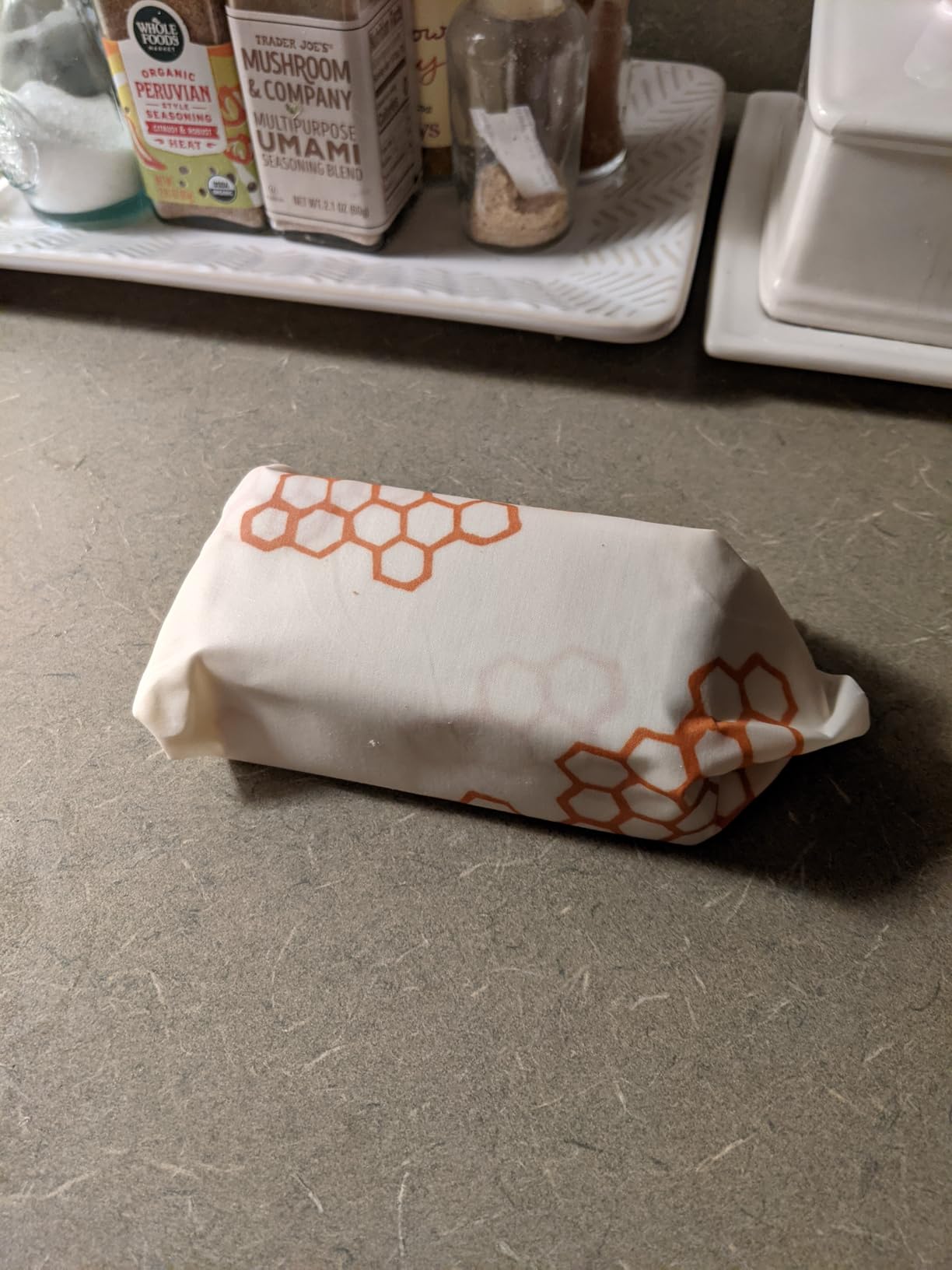
I would not buy this first unless you already like wax wraps. I would buy it second, because it is the one that keeps a household that has outgrown fixed-size sheets from buying another brand.
5. BYTTME 9 Pack – The Double-Coated Seal Builder
- ✓Double coating grips bowls
- ✓jars and plates
- ✓Easy to clean in cool water and mild soap
- ✓No strong odor and no flavor transfer
- ✓Extends the life of cut vegetables
- ✕Only one extra-large sheet in the pack
- ✕Less convenient than a zip-top bag for deep pouches
Five small, three medium, one extra large
Double wax coating
LFGB and GOTS certified
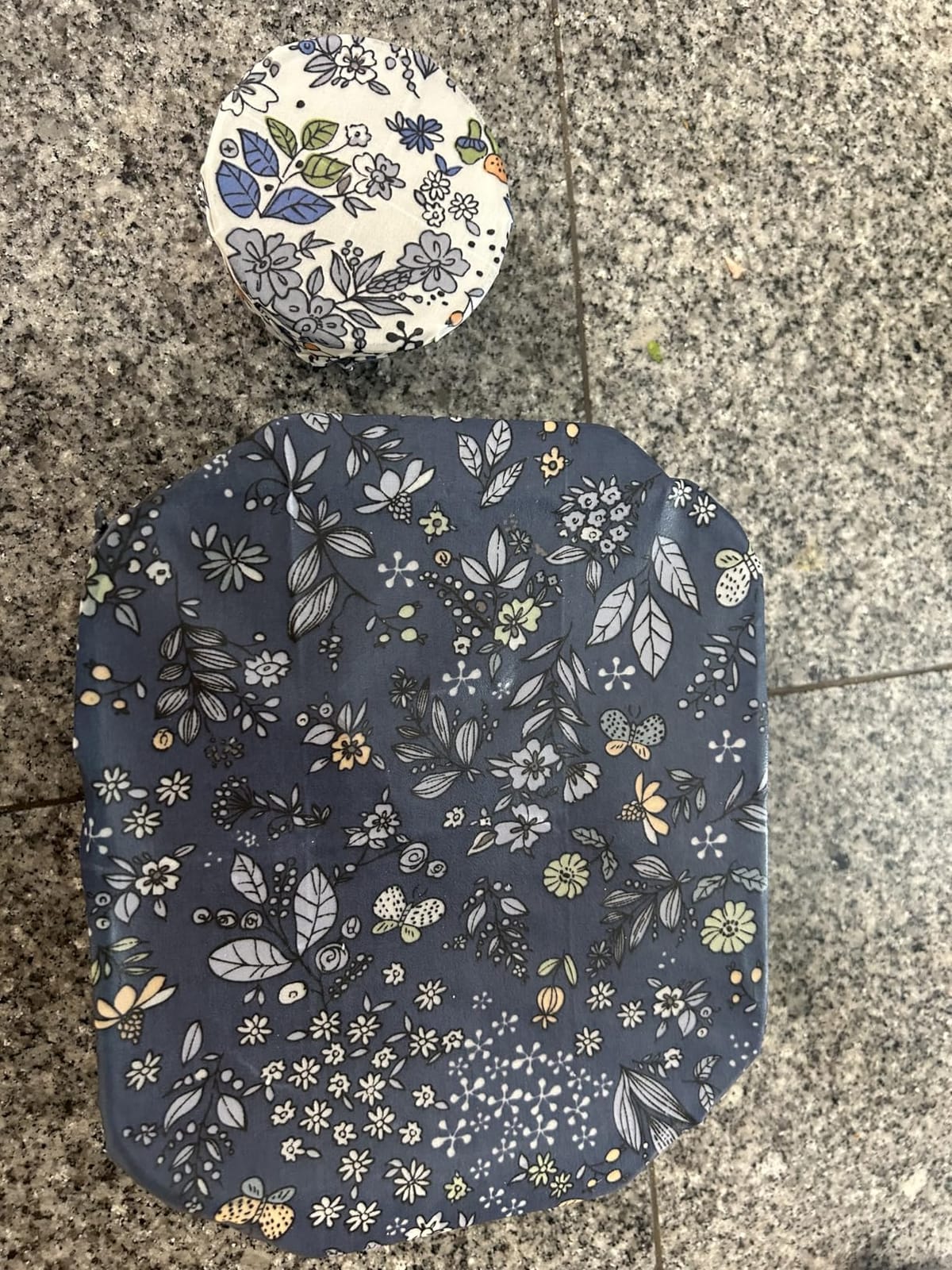
This is the set that sealed the best in a cold kitchen, and that is the whole reason it is here. The listing describes a self-adhesive design with a double coating, and the practical effect was clear: I could cover a glass jar straight from the refrigerator without warming my hands first.
The pack holds nine sheets: one extra large at 13 by 14 inches, three medium at 10 by 11 inches and five small at 7 by 8 inches. Three mediums is more than most nine-packs include, and in practice that is the size you use every day.
What a double coating actually changes
Beeswax gives you grip, tree resin gives you flexibility, and jojoba oil keeps the sheet pliable. Layering that coating twice raises the amount of usable wax on the surface, so the seal keeps working when the sheet is cold and stiff. In a room around 16 degrees Celsius my other wraps needed a full palm warm-up, and this one usually did not.
That is a genuine functional difference, not a marketing one. If your kitchen is cool, or you store food in a garage pantry or a cold cellar, the double coat removes a step you would otherwise do every single time.
Materials and certifications
Organic cotton, natural harvested beeswax, organic jojoba oil and natural tree resin, with European LFGB certification, GOTS certified fabric and 100 percent recycled paper packaging. The wrapped material is described as biodegradable and plastic free, and the care instruction is cool water, mild soap and air dry, explicitly not for the dishwasher or heat.
Three washes in and the sheets had not stiffened. Unlike wax coatings that can feel chalky when they are under-warmed, these softened evenly, which suggests the coating is well distributed rather than pooled at the edges.
Size balance and the missing large sheet
The recurring request in the reviews for this pack is more large sheets, and it is a fair complaint. One extra large at 13 by 14 inches is smaller than the 14 by 15 inch extra large in the Akeeko set, and for my widest bowl that difference was noticeable.
For forming a pouch or wrapping something bulky, a fixed sheet is also less flexible than a cut-to-size roll or a zip-top bag. The reviews describe this set as the best-performing option at this level of cost, and the double coating explains why.
Flavor and odor neutrality
Buyers specifically call out the absence of a strong beeswax smell, and I found no lasting scent on bread, cheese or vegetables stored in these sheets. When a wrap is invisible in terms of taste, it becomes easier to use without thinking, which is the real driver of whether the switch sticks.
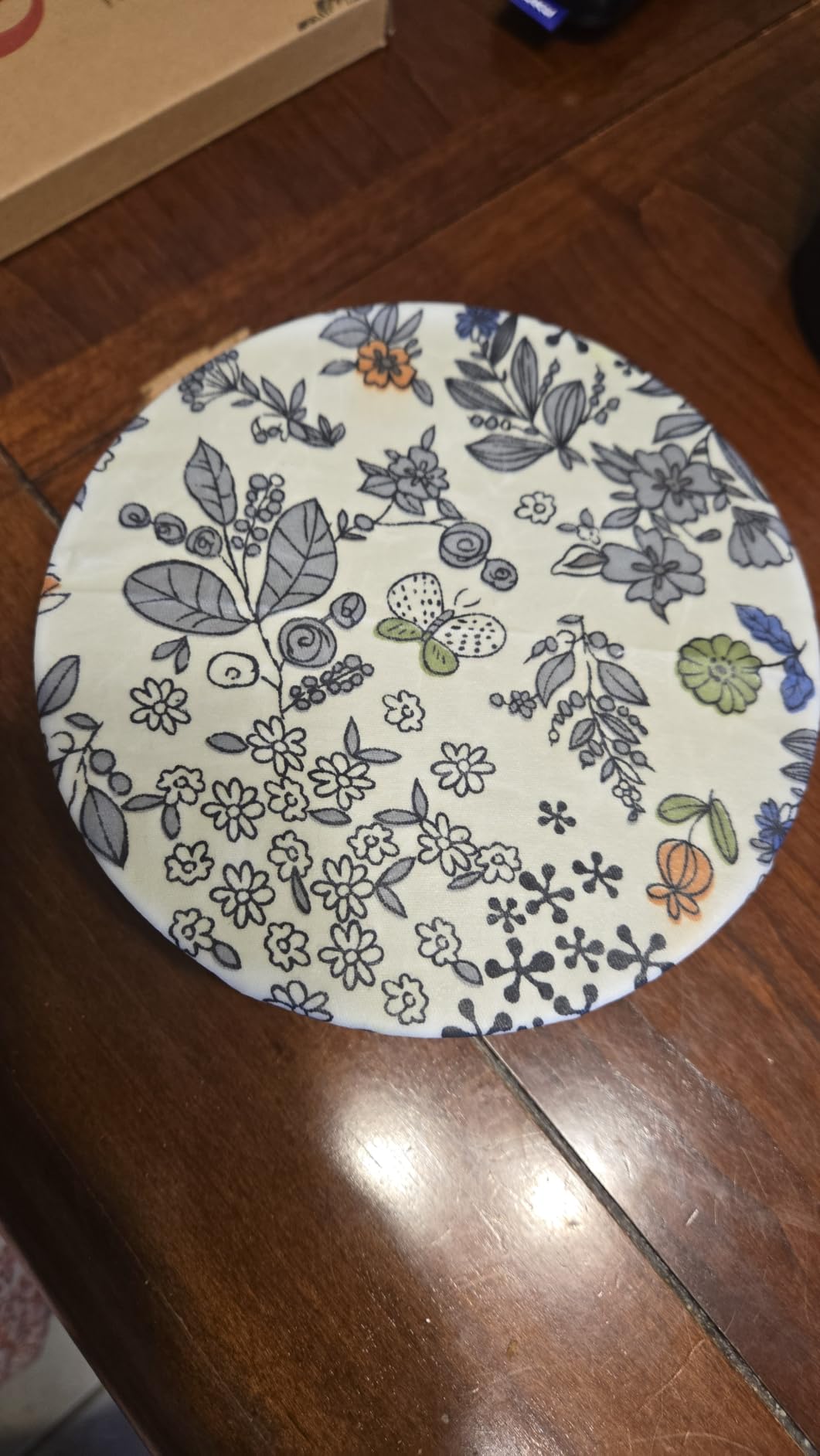
Choose this if your kitchen is cool or your family will not bother warming the wrap first. If you need to cover a very large bowl as your primary job, add a roll or a dedicated bread wrap to the set later.
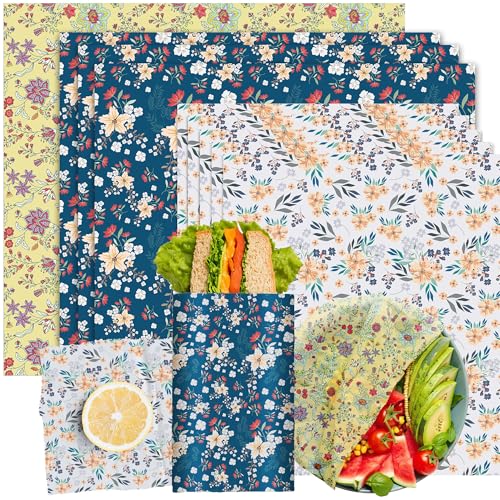
6. PURIME 9 Pack – The Lowest Cost Way to Start
- ✓Lowest cost per sheet in the roundup
- ✓Nine sheets across three sizes
- ✓Reduces reliance on disposable baggies
- ✓Washes and reuses well
- ✕Weakest cling in the group
- ✕Waxy residue that is hard to wash off
- ✕Small sheets considered nearly useless by some buyers
- ✕Distinct beeswax smell
Five small, three medium, one XL
Organic cotton, beeswax, plant oil, resin
Reusable for up to a year
If the objection to beeswax wraps is the price of getting started, this is the honest answer: nine sheets of organic cotton with beeswax, plant oil and tree resin for less than most three-piece sets. That math is what gets people to try the category, and the sheet count means you can stop using cling film for most snacks immediately.
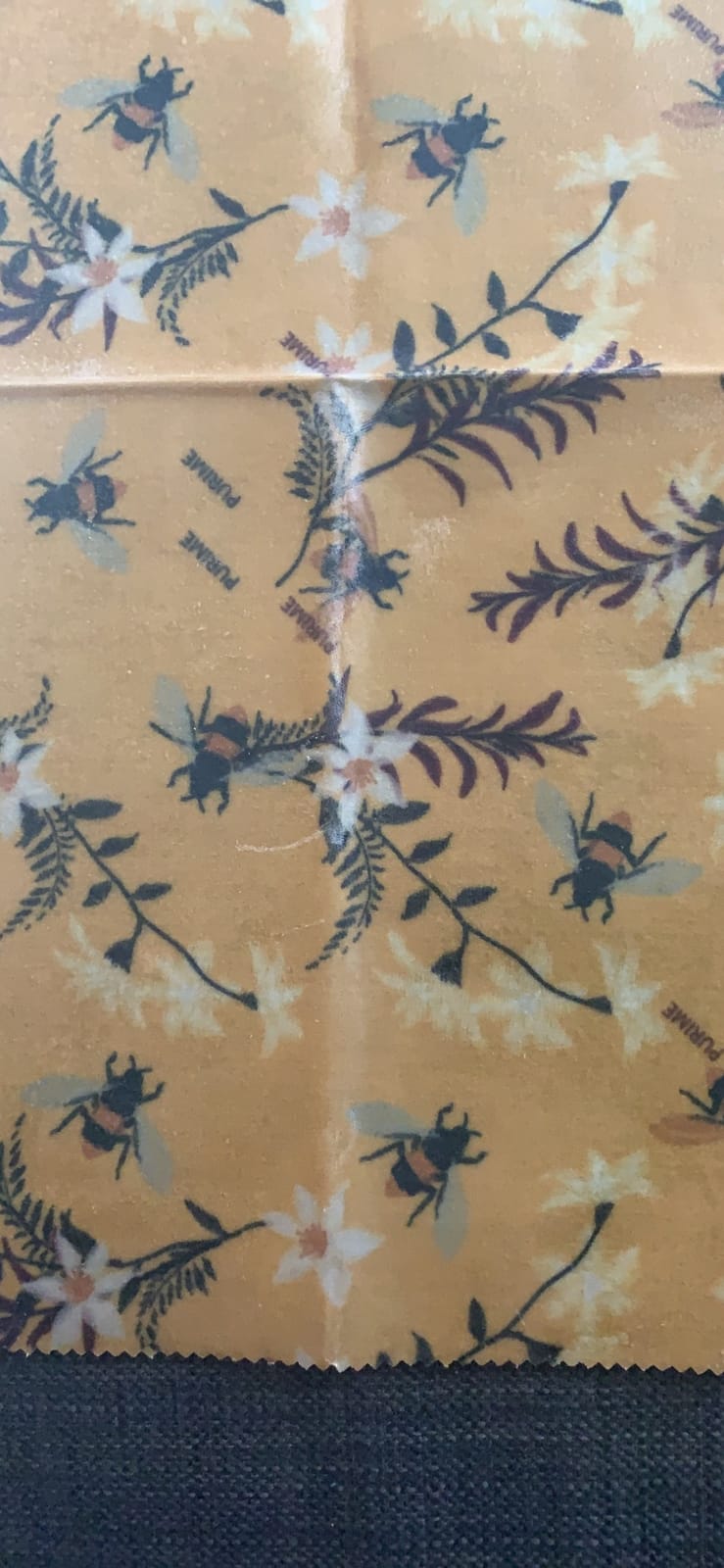
The rating is the lowest in the roundup at 4.3, and the reason shows up in the feedback rather than in the specification. Freshness performance gets praised. Cling strength, residue and the small sheet size get criticised, and the smell of natural beeswax is not for everyone.
Freshness performance versus cling strength
Breathable storage worked as intended. Bread and cheese stayed in good condition for days, and wrap storage clearly beat leaving something uncovered on the counter. That part of the product works.
Where it falls short is adhesion. Over a smooth bowl the sheet adhered more weakly than the double-coated set and needed a second warm-up, and over a wide dish it slipped. If your storage is mostly flat plates and cheese, cling matters less. If it is bowls and halved fruit, it matters a lot.
Residue and the beeswax smell
Two complaints repeat across the reviews and both showed up for me: wax transferring to hands and to dishes, and a distinct natural beeswax odor. The transfer was light and came off with cool water and mild soap, but it took a second pass and warm soapy water on a ceramic bowl that had held cut tomato.
The smell is a preference issue, not a defect. It is strongest cold and fades as the wrap is used. If you are sensitive to it, a wrapped food and a warmed food smell completely different, which is worth knowing before you commit.
Size mix: five small is a lot of small
The pack holds one extra large, three medium and five small, which is a good set for lunchboxes and a poor set for covering things. Several buyers in the feedback describe the small sheets as nearly useless, and I would frame it the other way: five small sheets are for snacks, not for covering a serving bowl, and if you need coverage more often, buy fewer small.
Also worth noting is the brand’s own claim of reusability for up to a year with regular weekly use, which matches what most manufacturers in this category state.
Compostable and plastic free end of life
The materials are described as biodegradable and compostable, and no rubber bands or clips are needed for the basic clings. Natural fiber at end of life is a real advantage over a silicone sheet that has to be separated for specialist recycling.
This is a starting set, not a finishing one. If you like it after a month, the sensible next purchase is a bread wrap or a roll, because that is where the weaknesses show least.
7. Kalolo Malosi 5 Sheets – Generous Large Sheets, Four Ingredients
- ✓Highest average rating in the roundup
- ✓No one-star feedback reported
- ✓Generous large sheets relative to pack size
- ✓Short four-ingredient formula
- ✕Smallest review base among the large-sheet options
- ✕Five sheets run out fast in a busy kitchen
Three sheets at 14x13, two at 10x10
100 percent cotton, beeswax, resin, jojoba
Up to one year of reuse
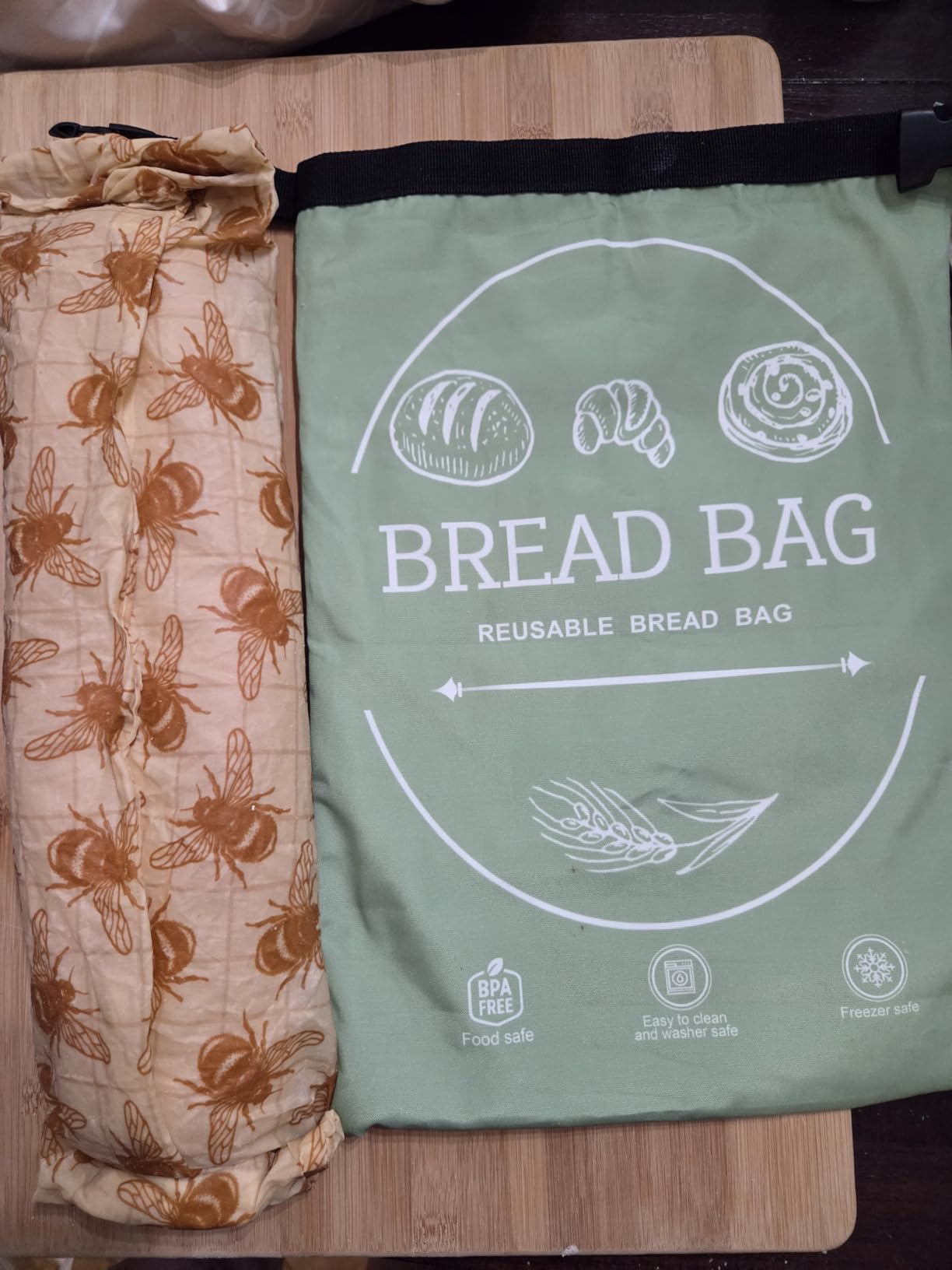
Five sheets, and three of them are large. That ratio is unusual. Most sets in this roundup ship a pile of small squares and one token large sheet, and this one inverts the ratio, which is exactly what you want if your daily job is covering bowls and plates rather than packing lunchboxes.
The three large sheets measure 14 by 13 inches and the two mediums measure 10 by 10 inches. The formula is 100 percent cotton with beeswax, tree resin and jojoba oil, which is the shortest ingredient list in the roundup and leaves no room for hidden additives.
Why the large sheets matter
A 14 by 13 inch sheet covers a wide bowl or a dinner plate without a fold, and a fold is where seals fail. The three large sheets in this pack meant I stopped reaching for an elastic band entirely, which was the most common friction point in my testing across every other set.
The two 10 by 10 inch sheets are the ones for cheese wedges, small bowls and a folded flat wrap. Losing the 7 by 8 inch small sheet is the real trade-off here, and for a household that packs a lot of small snacks, that is a gap.
Rating and what sits behind it
This set carries the highest average rating in the roundup with 86 percent of reviews at five stars and no one-star feedback reported. That is a genuinely clean distribution, and the reasons given are consistent: generous sheet sizes and a simple formula.
The counterweight is the review base. At a few hundred reviews it is the smallest evidence base among the large-sheet options, so long-term durability is documented by fewer people here than almost anywhere else on the list. Treat the rating as promising rather than proven.
Molding and the bee pattern
Warm in the palms and the sheets mold quickly around a rounded cheese and press down the sides of a container with no overhang. They held a rim on a glass bowl for a week of fridge storage with no slippage, and the material did not stiffen after repeated cool washes.
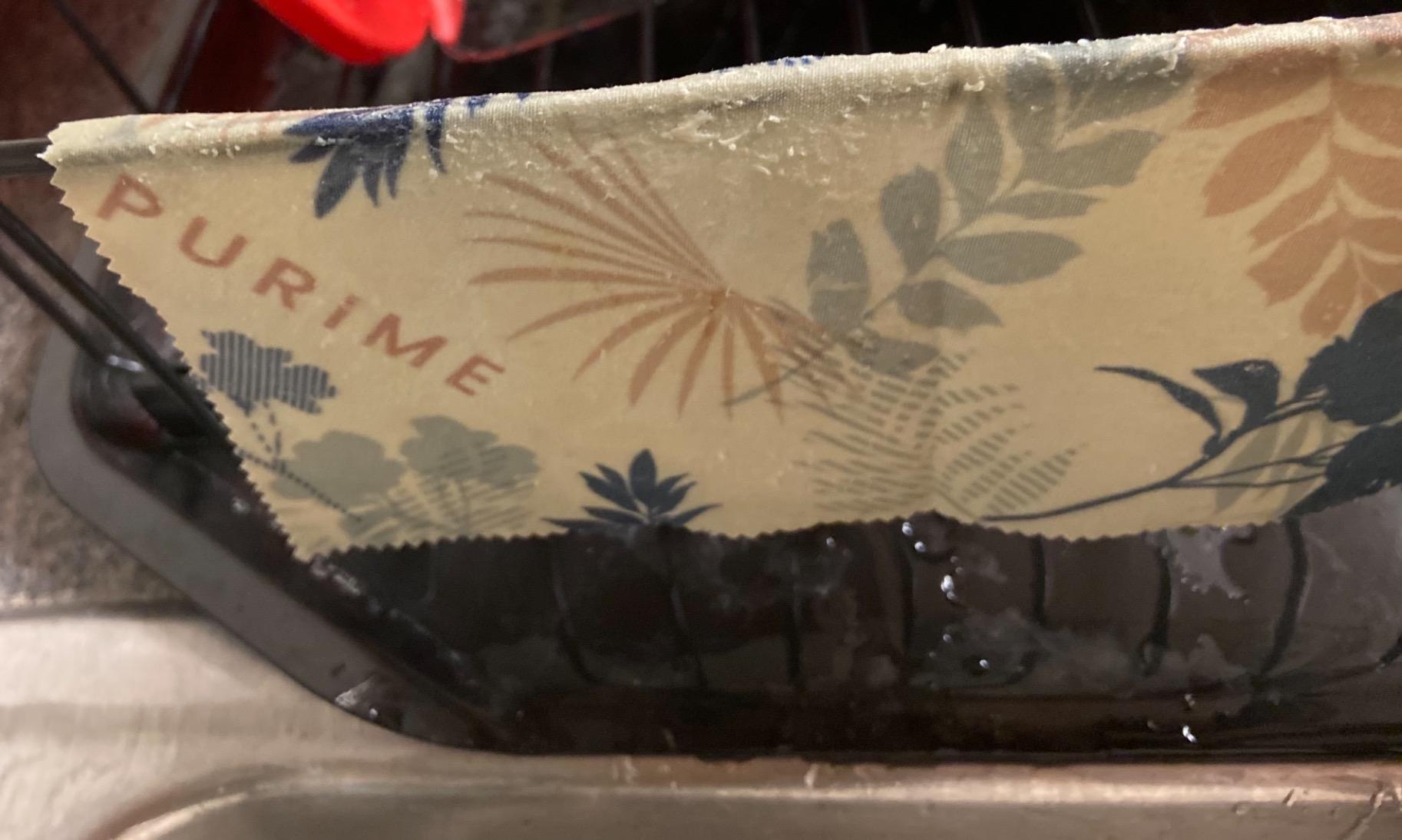
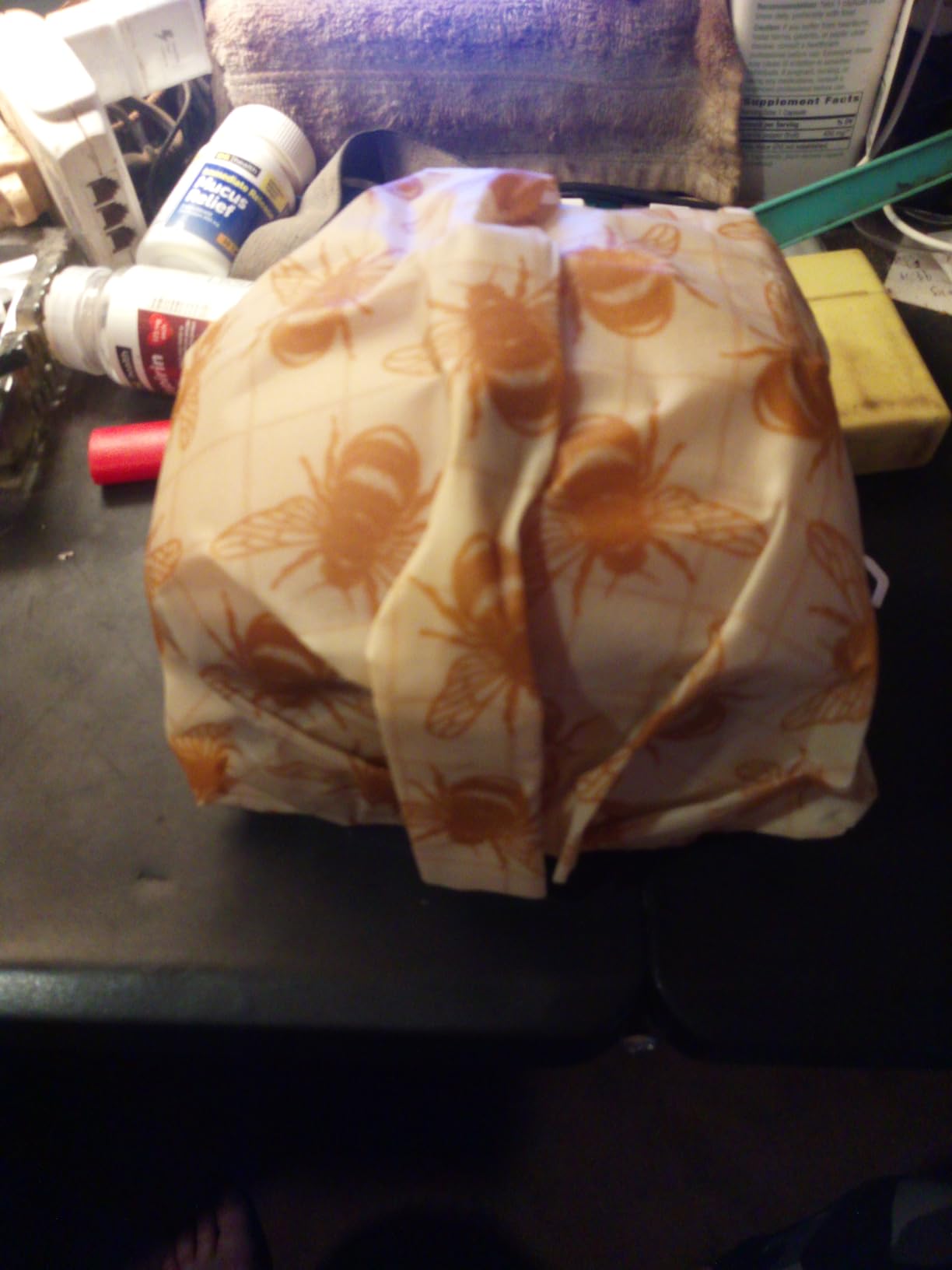
The printed bee pattern is a small thing that matters more than it sounds, because a wrap that looks pleasant in a bowl on the counter is more likely to be picked up again tomorrow than one that looks like packaging.
One year of reuse, five sheets at a time
The stated use is a wrap, rinse and reuse cycle for up to a year, covering bread, cheese, bowls, produce, lunch and snack storage. Five sheets rotating through daily use means each one rests before its next job, which is a fair way to get the most out of a wax coating.
My advice is to pair this with a small sheet set for lunches. As a standalone it is the best-rated set here, and for anyone whose problem is bowl coverage it is the most directly useful one on the list.
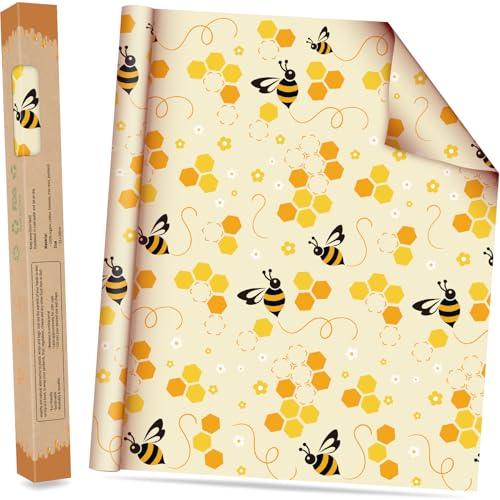
8. PICcircuit 13 x 39 inch Roll – Cut-to-Size on a Smaller Footprint
- ✓Cut-to-size flexibility at a lower entry point
- ✓Suits sandwiches
- ✓cheese
- ✓fruit and leftovers
- ✓Washable in cold water
- ✓Available in brown and yellow
- ✕Smallest surface area of the three rolls
- ✕Thinnest review base in the roundup
13 x 39 inch cut-to-size roll
Organic beeswax, jojoba oil and resin
Cold water washable
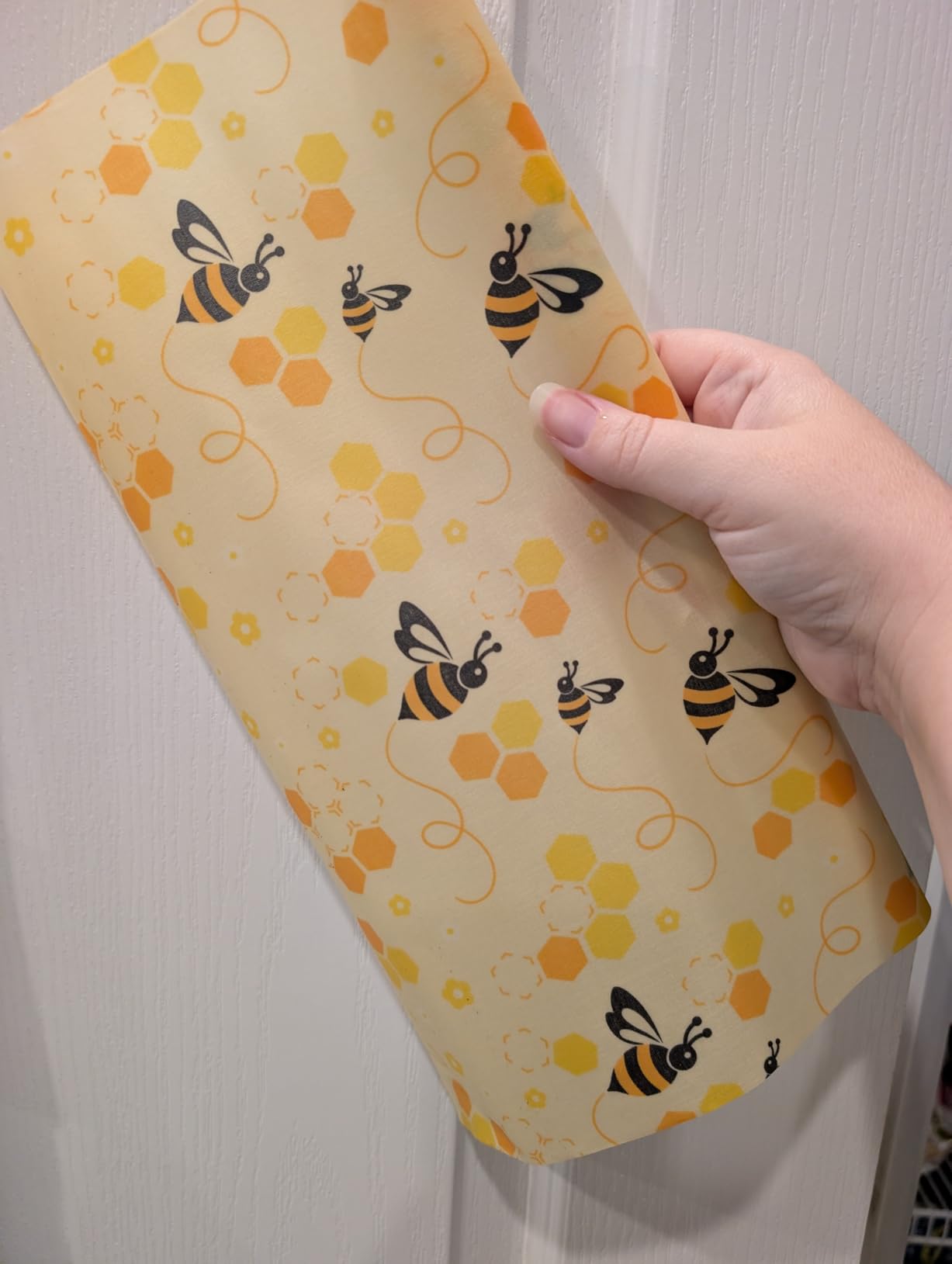
Roll format at a smaller size and a smaller footprint. The sheet measures 13 by 39 inches, so it makes smaller cut pieces than the 14 by 53 inch roll and noticeably fewer than the 13 by 39 inch roll with the larger cuttable area. If you want the flexibility of cutting but not the storage footprint, this is the version.
Ingredients are listed as organic beeswax, jojoba oil and resin, and the care instruction is explicit: wash in cold water, never hot water and never the microwave. That hard rule is printed on the product details, which is refreshing.
How it compares with the other rolls
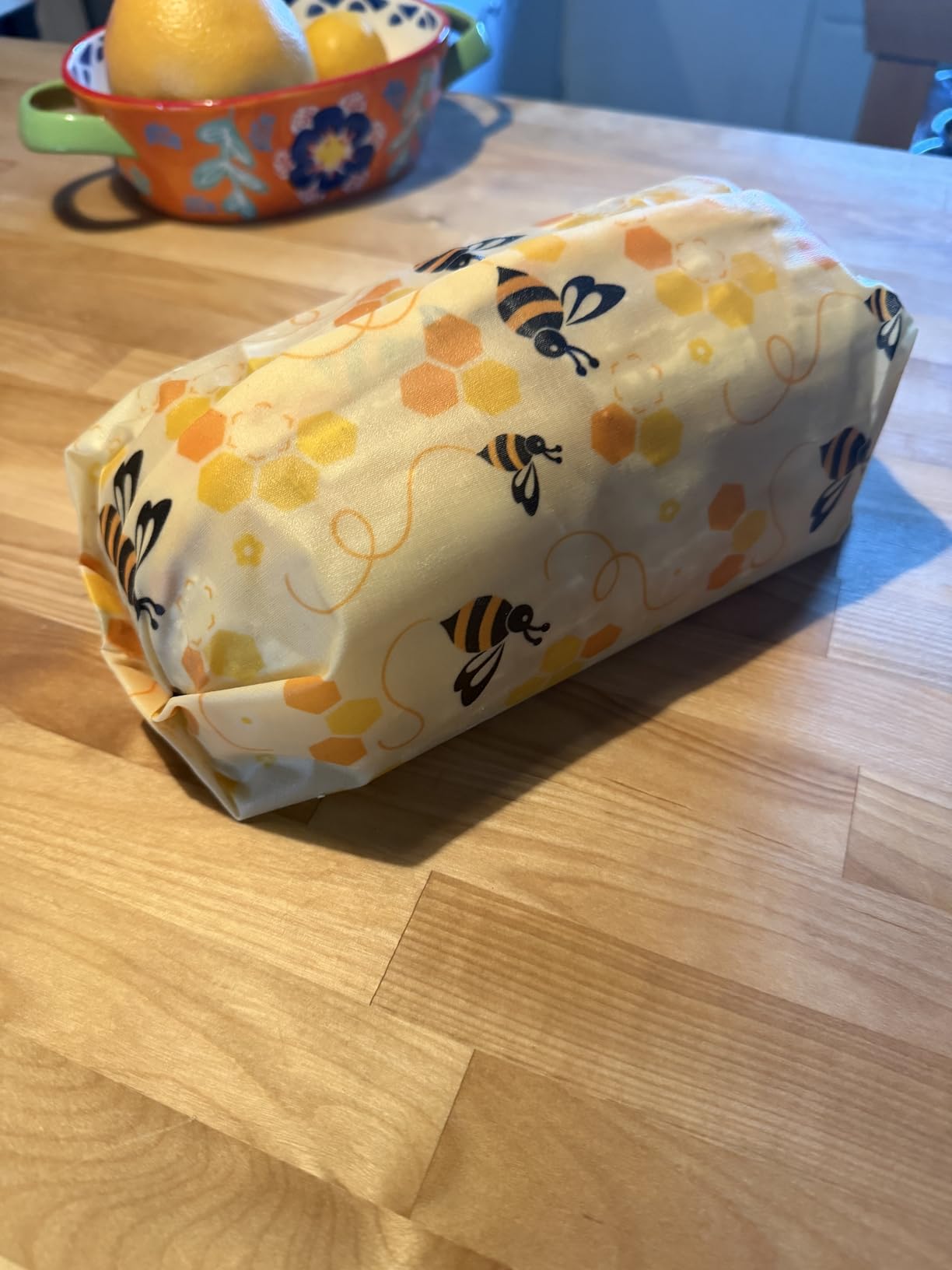
Three rolls appear in this roundup and the choice between them is really about surface area and how big a bowl you need to cover in one piece. This one has the least material, so the pieces it produces are snack and sandwich sized rather than bowl sized, and a large dish would take two overlapping pieces.
For daily sandwich wrapping, cut pieces from this roll worked as well as any pre-cut medium sheet I tested. Warm the piece, fold the excess under the sandwich, and the wrap holds the edges closed through a lunchbox without a clip.
Cheese, fruit and leftovers
The listed uses are sandwiches, cheese, fruit and leftovers, and that maps well to the cut sizes. A wedge of cheese and a few slices of fruit sit neatly on one piece with an overlap, and a plate of leftovers can be covered with a larger cut without the sheet needing to match any preset dimension.
Over a week of use the wax did not transfer noticeably to ceramic, and the printed bee design faded a little at the cut edges after the first few washes, which is normal for a cut edge on a natural fiber material.
Months of reuse on a small review base
With 77 percent of reviews at five stars, feedback is positive and short, focused on value for a cut-to-size roll with a straightforward ingredient list. The caution is volume, not quality: this has the smallest review base of anything here, so there is less long-term evidence behind it.
Wash in cold water and let it air dry fully before folding, since a warm folded sheet is what creates a stuck block. Once it is dry, it folds flat into a drawer without trouble.
Brown and yellow options
The roll is offered in brown and yellow, and both behave identically. Color has no effect on the coating, and the printing is decorative rather than a coating change, so pick whichever suits the kitchen.
A good first roll for a small kitchen or a two-person household. For a family storing large leftovers, spend the difference on the roll with the bigger cuttable area.
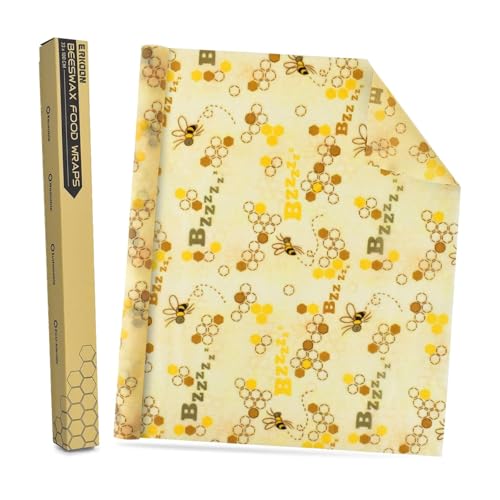
9. ERKOON 13 x 39 Inch Roll – The Most Cuttable Area
- ✓Largest cuttable area among the rolls at 10.76 square feet
- ✓Lowest entry point for a cut-to-size format
- ✓GOTS certified fabric and printing
- ✓Cuts down to any needed size
- ✕Lowest average rating here with 7 percent one-star reviews
- ✕Manufacturer states a shorter useful life of about six months
13 x 39 inch cuttable roll
GOTS certified cotton and printing
Stated life of about six months
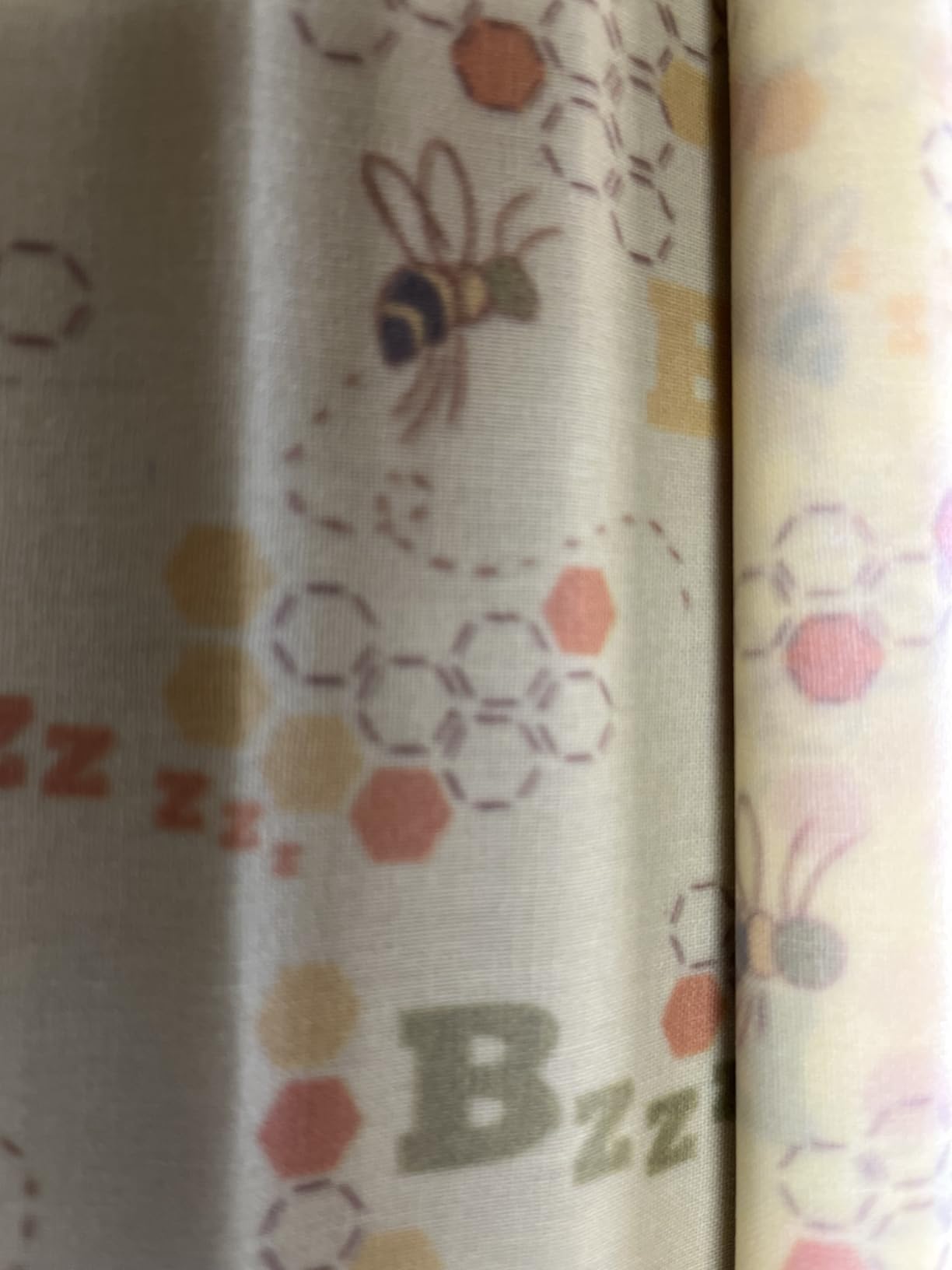
This is the roll with the most usable material relative to its size, at 10.76 square feet, and the cheapest way into the cut-to-size format. It is also the one with the shortest manufacturer-stated lifespan in the roundup, about six months with regular weekly use, and that combination is the honest summary of the product.
The materials are cotton, sustainably harvested beeswax, jojoba oil and tree resin with GOTS certified fabric and printing. Certification on the printing as well as the fabric is unusual and worth crediting, because ink is a real food-contact variable.
Cutting value and surface area
Where the smaller roll produces snack and sandwich pieces, this one yields enough material to cover a wide bowl in a single cut, which is why the area figure matters more than it looks. In practice it behaved closest to the largest roll rather than the compact one.
Cut with sharp scissors and the sheet behaves predictably, folding the same way as a pre-cut wrap with no difference in grip. Pinking shears the cut edge if you plan to reuse the offcuts, since the woven cotton edge frays slowly with use.
Why the rating is lower
At 4.2 with 7 percent one-star reviews, this set has the widest spread of negative feedback in the roundup. The complaints cluster around durability rather than function, and the stated six month life is the pattern behind them.
For occasional users, a six month sheet is not a problem. For a household that wraps food daily, expect to refresh or replace sooner than you would with a set that claims a year, and the price advantage narrows once you are buying twice in the year.
Cleaning and softening
The care method is straightforward: soften with hand warmth, hand wash with mild soap and cold water, air dry. It behaved the same way as the other rolls, with no residue build-up on a glass bowl over a week of contact.
Because durability is the weak point, store these folded flat rather than crumpled, and give a used sheet a rest day between wraps. A sheet that has been washed and dried properly will keep sealing far longer than one that has been repeatedly folded at a crease.
Non-toxic and food safe
The listing describes the wrap as non-toxic and food safe, and the ingredient list is short enough to verify. That is a reasonable basis for confidence, and it is the kind of detail you should compare across listings when a cheaper set gives you nothing to compare.
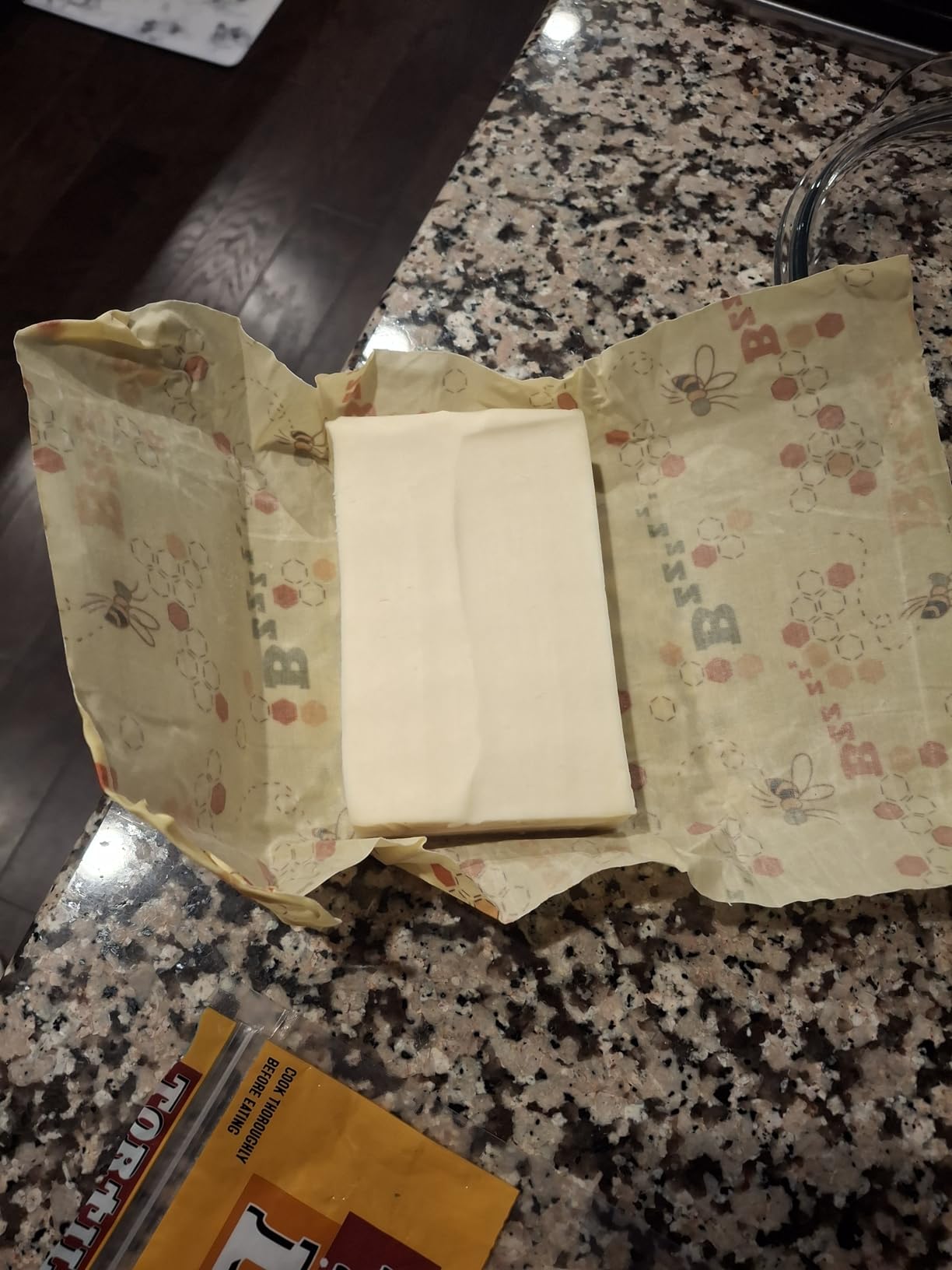
Buy this if you want maximum material per sheet and your use is occasional. If your kitchen wraps food every day, the extra six months of stated life elsewhere is worth paying for.
10. PICcircuit 9 Pack Fruit Pattern – The One Kids Actually Use
- ✓Fruit patterns that make food storage appealing
- ✓Three usable sizes with nearly 1800 reviews
- ✓Good coverage for lunchbox and snack storage
- ✓Free of BPA
- ✓lead
- ✓phthalate and PVC
- ✕Only one large sheet limits coverage of bigger bowls
- ✕Material description is less specific than premium brands
Five small, three medium, one large
Jojoba oil, cotton, beeswax, resin
BPA, lead, PVC and phthalate free
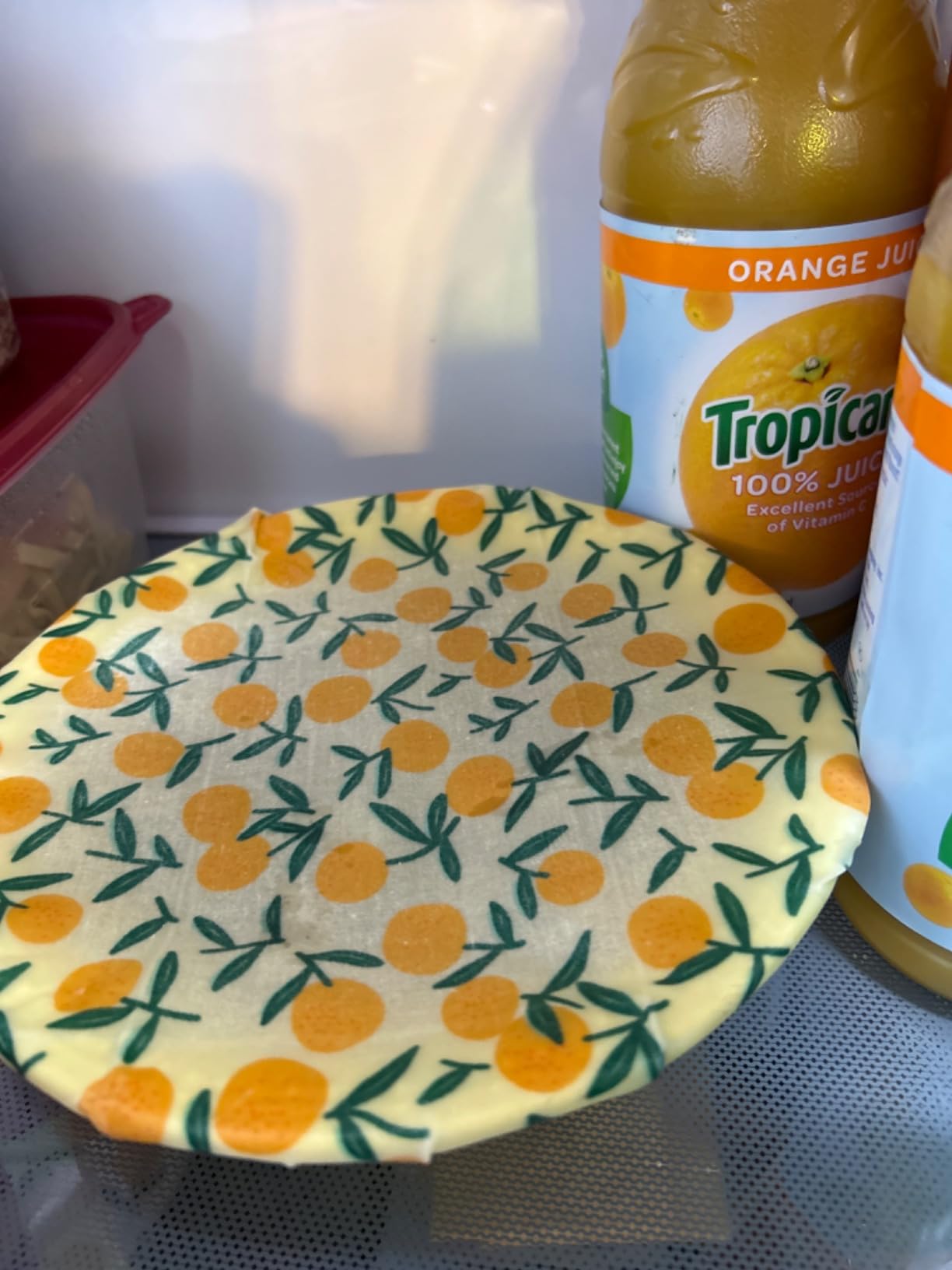
Design is not a gimmick in this category, it is a behaviour tool. A strawberry, an orange and a lemon on three differently sized sheets make a child want to open the lunchbox, and this pack has the largest review base of the fruit-pattern sets by a wide margin at nearly 1800 ratings.
The listed composition is organic jojoba oil, organic cotton, ethically harvested beeswax and tree resin, and the listing also carries explicit claims of being free of BPA, lead, phthalates, PVC and silicone. Those claims are about what is not in the wrap rather than what is, but they match the short ingredient list.
Three sizes and nine sheets
Five small at 7 by 8 inches, three medium at 10 by 11 inches and one large at 13 by 14 inches. The small sheets are the workhorses here, sized for a cut apple, a sandwich quarter or a handful of crackers, and they fold closed without a clip or an elastic band.
The one large sheet is the same limitation that shows up in several other nine-packs, and it is the most common request in the reviews. If a big bowl is a weekly job rather than an occasional one, budget for a separate large sheet.
How the pattern suits lunchboxes
Printing aside, the useful part is that the small and medium sheets are visually distinguishable in a drawer, so a child can find the right one without asking. In a household where the wraps are meant for school lunch rather than for the person who shops, that is a practical benefit rather than a cosmetic one.
Mechanically the sheets performed in line with the other single-coated sets, which meant warming in the palms first, especially in a cool kitchen. The seal over a bowl was good but not the double-coated level, and over a wide dish it needed a fold.
Less specific material information
The one real drawback in the details is that the listing describes the composition more generically than the premium sets, without specifying fabric certification. If organic certification and food-contact testing matter to you, the packs that name LFGB and GOTS standards give you something concrete to compare against.
On cleaning, cool water with mild soap and air dry is the stated method, and the instruction to keep the wrap away from heat and out of the dryer is the rule that most extends its life.
Freshness for fruit and snacks
Cut fruit and vegetables stayed in good condition in these sheets across the week, with no strong odor transferring into the fruit and no taste carried over. That is a breathable seal doing its job on the foods this size is designed for.
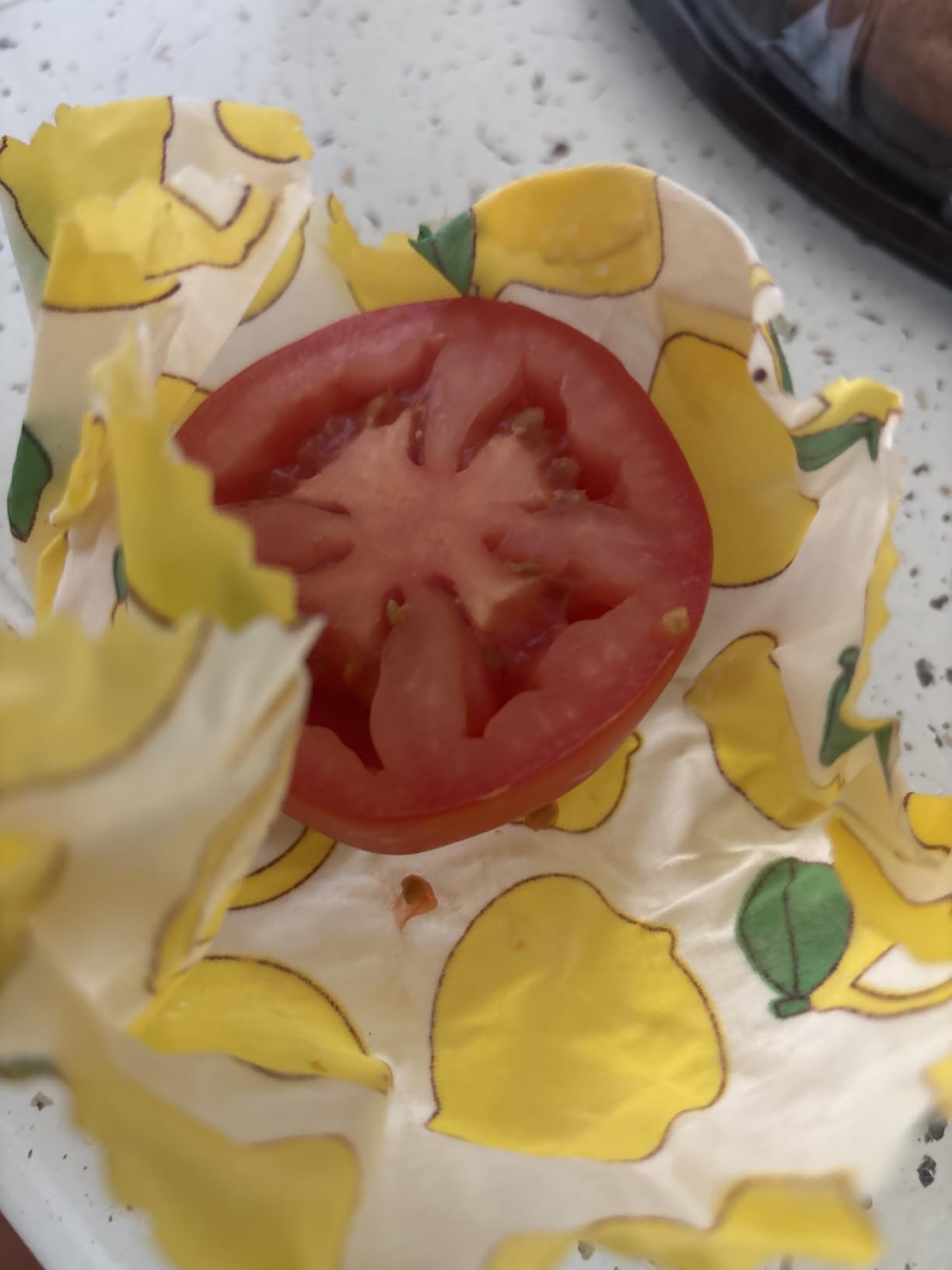
If the household that will use these is a school lunch crowd, this is the set I would buy. If you are storing bulk bread and large leftovers, put the effort into a bread wrap and a roll instead.
How to Use Beeswax Wraps in Four Steps
The mechanism is heat and pressure. A wax coating is rigid when cold, so the first job is always to make it pliable before it goes anywhere near your food.
1. Warm the wrap. Rub it between your palms for a few seconds until it feels soft and slightly tacky. In a cold kitchen, run your hands under hot water, dry them thoroughly and then warm the sheet. A wrap applied straight from a cold drawer will not cling, and blaming the product for that is the most common early mistake.
2. Position it over the food or the rim. Lay the sheet over a bowl, a plate or the top of a container, with the waxed side facing the food. For a sandwich or a loaf, place the wrap on the surface first and fold up the near edge to trap air.
3. Press and shape. Push the edges down the sides of the bowl and pinch the corners until they grip. For a bread wrap, fold the excess under itself so the sheet overlaps and seals against itself.
4. Let it cool. Hold it for a few seconds while it sets. The wax firms up as it cools, which is what holds the shape. Resist the urge to move the container straight away, and the seal stays put in the fridge.
For long events, wrapping food in advance and keeping it chilled until serving works better than wrapping at the table. Our picks on food warming trays cover the other end of the same problem when a buffet runs long.
What Not to Use Beeswax Wraps For
These limits are not marketing fine print, they follow directly from how the product works. Wax softens with heat, cotton does not like a dryer, and no washing method that is allowed here is strong enough to disinfect raw protein.
No microwave, no oven, no hot food. Wax melts, and melted beeswax on cotton fabric is permanent. A warm pizza box is fine because it is barely warm. A plate of steaming pasta is not.
No dishwasher and no hot water. Cool water and mild soap is the whole method. Heat strips the coating, and a dishwasher does the same in a more expensive way.
No raw meat, poultry or fish. This is the hard line. The wrap cannot be boiled, bleached or run through a dishwasher, so there is no way to return it to a safe state after contact with raw protein. Use a container for raw meat and keep the wrap for cooked food only.
Nothing wet, oily or staining. Tomato sauce, beet juice, oil and raw fish grease will mark the cotton permanently. The seal is breathable and water resistant, not waterproof, so a leaking wrap is a leaking wrap.
One more worth stating: a curious dog will eat a wax wrap. Beeswax smells appealing to animals, and a chewed wrap is a trip to the vet rather than a kitchen accident. Keep the drawer shut if you have a dog with a habit of eating things off counters.
How to Clean, Store and Rejuvenate Beeswax Wraps
Care is simple and it is where most of the life of a wrap is decided. Sheets that are washed in cool water, dried fully and stored flat routinely outlast sheets that are thrown in a hot sink and folded away damp.
Wash: cool or lukewarm water, mild dish soap, gentle rubbing. No soak, no wringing, no bleach.
Dry: air dry flat or on a rack, and let it dry completely before folding. A sheet folded while warm will bond to itself.
Store: folded flat in a drawer, not rolled tightly and never crumpled. A shallow drawer at counter height is ideal, because a wrap stored out of sight is a wrap that gets forgotten, and the most common reason a set goes unused is simply that nobody knows the house owns one.
Rejuvenate: when a sheet stops sealing, set it on a baking sheet with parchment paper and warm it gently in a low oven until the wax softens. Brush the softened wax evenly across the fabric with a clean brush, let it cool, and the grip comes back. Keep the heat low and never take it above the point where the wax runs.
Retire: when a sheet no longer seals after refreshing, it has given you its useful life. Cotton with a wax coating is described as compostable by every brand here, and a small piece also makes an excellent fire starter, which is the easiest end of life for it.
For more on moisture and freshness in general storage, our food steamer picks cover the appliances on the cooking side of the same habits.
Five Common Problems and the Fixes That Work
Every complaint you will read about beeswax wraps has a fix, and most of them come down to temperature, wax quantity or habit. These are the ones that come up repeatedly in reviews and forum threads.
The wrap will not stay on the bowl. It is cold. Either warm the sheet in your palms first, or move the container to a warmer part of the kitchen for a moment before covering it. Large sheets also hold a rim better than small ones, because a small sheet has to fold over its own edge and the fold is where the seal breaks.
Waxy residue on bowls and dishes. Expected to a degree, and worse in cold conditions. A damp cloth with a drop of mild soap, then a dry pass, removes most of it. Do not use hot water and do not leave a wrapped bowl sitting unwashed for days, because the longer the contact the deeper the transfer.
Cling fades over months. Every brand in this roundup claims up to a year of regular use, and one manufacturer states about six months. Both are reasonable, but a sheet that has lost its grip is telling you it needs refreshing, not replacing. A low oven and a pastry brush will restore it.
Worse in winter than summer. The wax coating stiffens when cold, so performance genuinely drops in a cool kitchen. Warming your hands under hot water and drying them before you handle the sheet makes a measurable difference, and the double-coated sets are the ones that need it least.
Nobody in the house uses them. This is the most reported problem and it has no technical fix at all. Keep them in a visible drawer rather than a deep cupboard, put a small and a large sheet in the lunchbox routine rather than relying on a set, and accept that buying a second set for the other end of the house solves more than any technique.
How to Choose a Beeswax Wrap Set
Every set in this roundup uses essentially the same short ingredient list, so the decision comes down to format, sheet size and how the coating behaves in your kitchen. Ask four questions and the right set makes itself obvious.
Which jobs do you actually need to cover?
Map your week before you buy. Lunchboxes and snacks want small sheets, bread wants a dedicated large sheet or a bread wrap, and leftovers want a medium or large sheet that reaches the sides of a bowl. Sets built for snacks look identical on the shelf and are useless at dinner, and bread wrap sets are the mirror image of that problem.
A three-piece mixed set is the safe default because it covers all three. A nine-piece set only makes sense if the small ones have somewhere to go.
How big are your bowls and plates?
This is the most overlooked variable. Measure the widest dish you cover regularly and check it against the largest sheet in the set before buying. A sheet that reaches the rim without a fold is the difference between a seal that holds for a week and one that slips by morning.
Rolls solve this by removing the decision. If you cover large dishes often and dislike improvising, a cut-to-size roll is the format to buy even though it costs more to start with.
Do you need certification information?
Several sets in this roundup name European LFGB food-contact certification and GOTS certified fabric, and they say so in the product details rather than in the marketing image. If you want to verify rather than trust, those two labels are the ones to look for, because a short ingredient list tells you what is in the wrap and LFGB tells you it was tested for food contact.
Beeswax itself is a natural product with a low allergy profile, but anyone with a known beeswax sensitivity should read the ingredients and consider a plant-wax wrap instead. Vegan households face the same issue, since beeswax is an animal product and there is no way around it within this category.
How often will you use them?
Daily use is where coating quality and lifespan show. If a wrap goes on a bowl every day, the double-coated sets and the ones claiming a full year of regular use are worth the difference. If it goes on a bowl once a week, the shorter-life rolls are the sensible buy and the lower rating matters less.
Rotating several sheets so each one rests is the single cheapest way to extend life, and it costs nothing.
Beeswax Wraps vs Plastic Wrap vs Silicone Food Covers
Beeswax wraps win on storage, on cost over a year and on what happens at the end of the product life. They lose on airtightness, on wet or raw foods, and on anything that goes in a microwave. Silicone covers win on wet bowls and lose on flat storage and on cost per use. Plastic wrap wins on raw meat, hot food and total convenience, which is why it is hard to displace completely.
Silicone food covers stretch over a bowl and clamp to the rim, so they handle liquid and wet food far better than any wax wrap. They cannot wrap a sandwich, cannot fold over a plate, and cannot go near a heat source either, since most are not oven safe.
Reusable silicone bags take the third job that wax covers cannot: a leakproof pouch for dry goods and snacks, something no beeswax wrap on this list can do. If your main problem is portioning snacks, that is a different purchase, and worth making rather than fighting the wrong tool. If you routinely display food rather than store it, our food display case picks cover that side of the problem.
The honest summary is that the three categories do not overlap much, and the household that cuts the most plastic usually ends up using beeswax wraps for bread, produce and leftovers, silicone covers for wet bowls, and glass for everything that needs to be airtight.
Frequently Asked Questions
Are beeswax food wraps worth it?
For bread, cheese, cut produce and leftovers, yes. One set of nine reusable sheets replaces a surprising amount of cling film, and cotton with a wax coating composts at the end of its life. The honest catches: they are not airtight, they cannot handle raw meat or hot food, and a set bought once and forgotten in a drawer is worth nothing.
What are the downsides of using beeswax food wraps?
They are not airtight, so bread crusts soften and crisps go soft faster than under plastic. Wax transfers to bowls, hands and dishes, more so in cold weather. The seal weakens in a cool kitchen until you warm the wrap. They cannot go in a microwave, oven, dishwasher or hot water, and they must never touch raw meat. A busy family can also simply forget they own them.
Are beeswax wraps safe to use on food?
Yes, for cooked, cool or chilled food. The cotton base carries a beeswax, plant oil and tree resin coating, and several brands here are tested to European LFGB food-contact standards with GOTS certified fabric. The single hard rule is raw meat, poultry and fish: because the wrap cannot be boiled or bleached, it cannot be made safe again after contact with raw protein.
Do beeswax wraps have microplastics?
No. Beeswax food wraps contain no plastic at all. The base is cotton and the coating is beeswax, jojoba or plant oil and tree resin, which is exactly why they are sold as a plastic free food storage alternative. A few listings advertise being PVC or phthalate free, which for this material is a description of what is absent rather than what is added.
How long do beeswax food wraps last?
Most brands in this roundup state up to one year with regular use, and one manufacturer states about six months. Real-world experience is that a sheet washed in cool water, dried fully and stored flat holds its grip far longer than one that has been through hot water or a dryer. Refresh a tired sheet in a low oven with parchment, and compost it when it will not seal any more.
How do you rejuvenate beeswax wraps?
Lay the sheet on a baking sheet lined with parchment, warm it gently in a low oven until the wax softens, then brush the melted wax evenly over the fabric with a clean pastry brush. Let it cool completely before using. Keep the heat low, never let the wax run, and never put the sheet straight in the oven without paper underneath it.
Can you use beeswax wraps in the freezer?
Yes, and long-term users report that freezer storage works well, with one rule: let the wrap come back to room temperature before you unwrap it. Unwrapping a frozen sheet while it is still stiff and cold is what creates the sticky, torn mess. Put the container in the fridge or on the counter first and wait.
Which Beeswax Wrap Set to Buy in 2026
Start with the three-piece mixed set if you are making the switch for the first time. It gives you one correct sheet for nearly every job, it carries the deepest review history in this roundup, and nothing about it needs to be explained to anyone in the house. Add a dedicated bread wrap in the same week if you buy more than one loaf a month, because that is the job no small sheet does well.
If your household is busy, go straight to a nine-piece set. More sheets means fewer compromises, and the mid-sized squares in those packs are what end up in a lunchbox every morning. Choose a double-coated set if your kitchen is cool, and choose a pack with several large sheets if covering bowls is your main job, because a sheet that has to fold over itself is a sheet that slips.
Choose a cut-to-size roll when you want one format to handle bread, bowls, sandwiches and snacks, or when you dislike deciding sizes in advance. The larger rolls are the ones worth paying more for, and the smaller one is a sensible start if storage space is tight.
Two final things. Buy a second set for the end of the house where the food actually gets packed, because the number one reason these go unused is that nobody remembers where they are. And keep cling film for raw meat and hot food, where a beeswax wrap simply cannot follow.
Any one of these ten will replace most of the roll in your drawer. The difference between them is sheet size, coating weight and how well they perform in a cold room, and now that you know where those differences sit, the choice takes about a minute.



Leave a Comment