
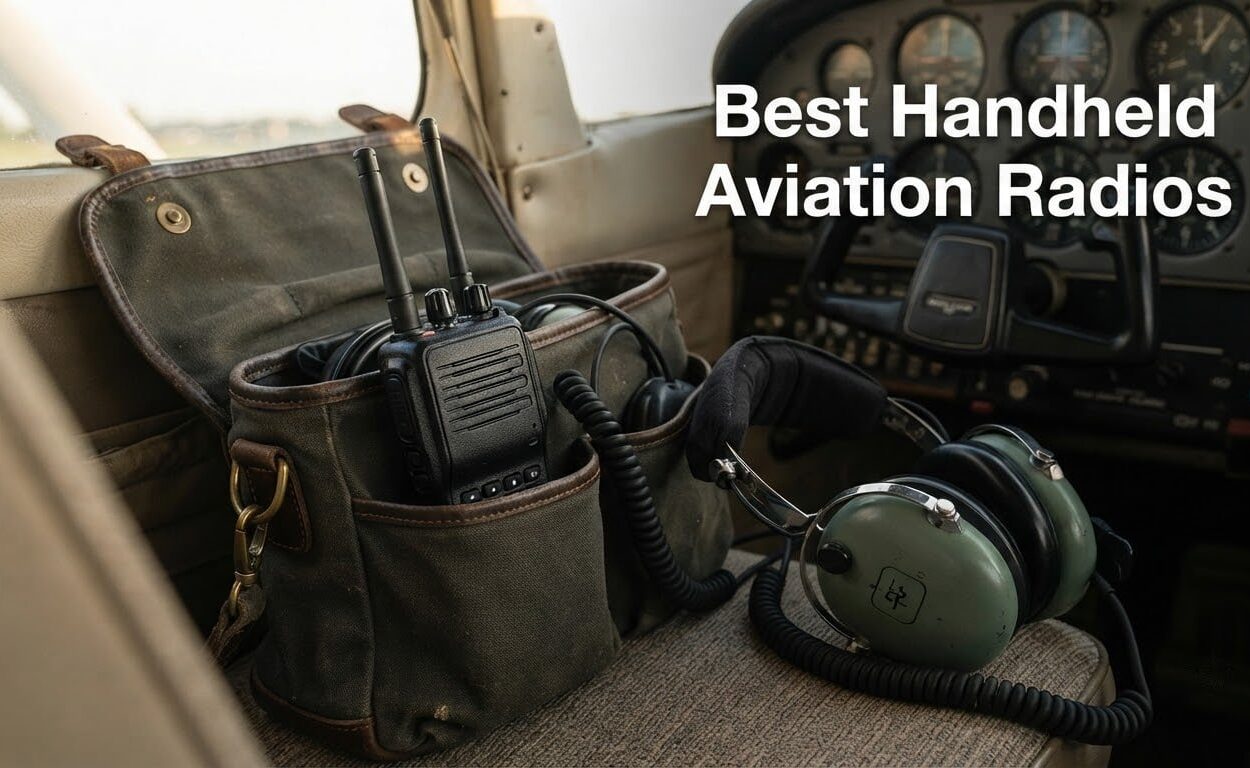
Choosing the best handheld aviation radios for a flight bag is less about finding the most feature-packed box and more about finding one you can operate under pressure. I have carried these units through pattern work, cross-country hops and busy ramp lines, and the difference between a good handheld and a great one usually shows up in the first thirty seconds after you pull it out of the bag.
Panel radio failures are common enough that the FAA publishes lost-communications procedures for them. A working handheld aviation transceiver turns a NORDO situation into a manageable one, and it lets you copy ATIS or grab a clearance before you start the engine. That second use alone saves fuel on every single flight.
For this guide I compared nine genuine handheld aviation transceivers, weighing transmit power, audio clarity, battery options, headset connectivity, water resistance and menu depth. I paid particular attention to the two things that get overlooked until they matter: how the radio behaves on alkaline cells when the lithium pack is dead, and whether the antenna connector accepts an external antenna adapter. I also read owner reviews closely, since long-term reports after three or four years of service tell you far more than a first-week impression.
Here is the short version. The Yaesu FTA-250L is the handheld aviation radio I recommend to most pilots because it balances power, audio and simplicity. The Icom IC-A16 wins on battery endurance and ingress protection. The Sporty’s PJ2+ is the one to buy if you fly with a standard PJ headset and want zero adapter fuss. Everything below breaks down the full lineup and explains who each unit actually suits.
Our Top 3 Handheld Aviation Radios
Two products tie for the highest average rating in this lineup at 4.6 stars, but the FTA-250L carries far more owner history behind that score, with 314 reviews against 130. It is also the only one of the three that combines 8.33 kHz narrow-band compatibility with a rechargeable battery and a bundled headset adapter, which makes it the safest single recommendation.
The Icom IC-A16 takes the value slot because its 2400 mAh pack runs a full working shift and its IP68 rating is the tightest sealing on the list. The Sporty’s PJ2+ is different in kind rather than degree: its dual PJ headset plugs mean you can clip it to a harness and start transmitting without touching an adapter.
Comparing Every Handheld Aviation Radio in This Lineup
| Product | Features | Action |
|---|---|---|
 Yaesu FTA-250L Handheld VHF Airband Transceiver Yaesu FTA-250L Handheld VHF Airband Transceiver |
|
Check Latest Price |
 Icom IC-A16 VHF COM Aviation Handheld Icom IC-A16 VHF COM Aviation Handheld |
|
Check Latest Price |
 Sporty’s PJ2+ COM Aviation Handheld Radio Sporty’s PJ2+ COM Aviation Handheld Radio |
|
Check Latest Price |
 Icom IC-A25N VHF Air Band Transceiver with GPS and Bluetooth Icom IC-A25N VHF Air Band Transceiver with GPS and Bluetooth |
|
Check Latest Price |
 Yaesu FTA-850L Bluetooth NAV/COM Aviation Transceiver Yaesu FTA-850L Bluetooth NAV/COM Aviation Transceiver |
|
Check Latest Price |
 Yaesu FTA550 Handheld VHF Transceiver Yaesu FTA550 Handheld VHF Transceiver |
|
Check Latest Price |
 Icom IC-A25C Handheld Airband Radio, Comm Only Icom IC-A25C Handheld Airband Radio, Comm Only |
|
Check Latest Price |
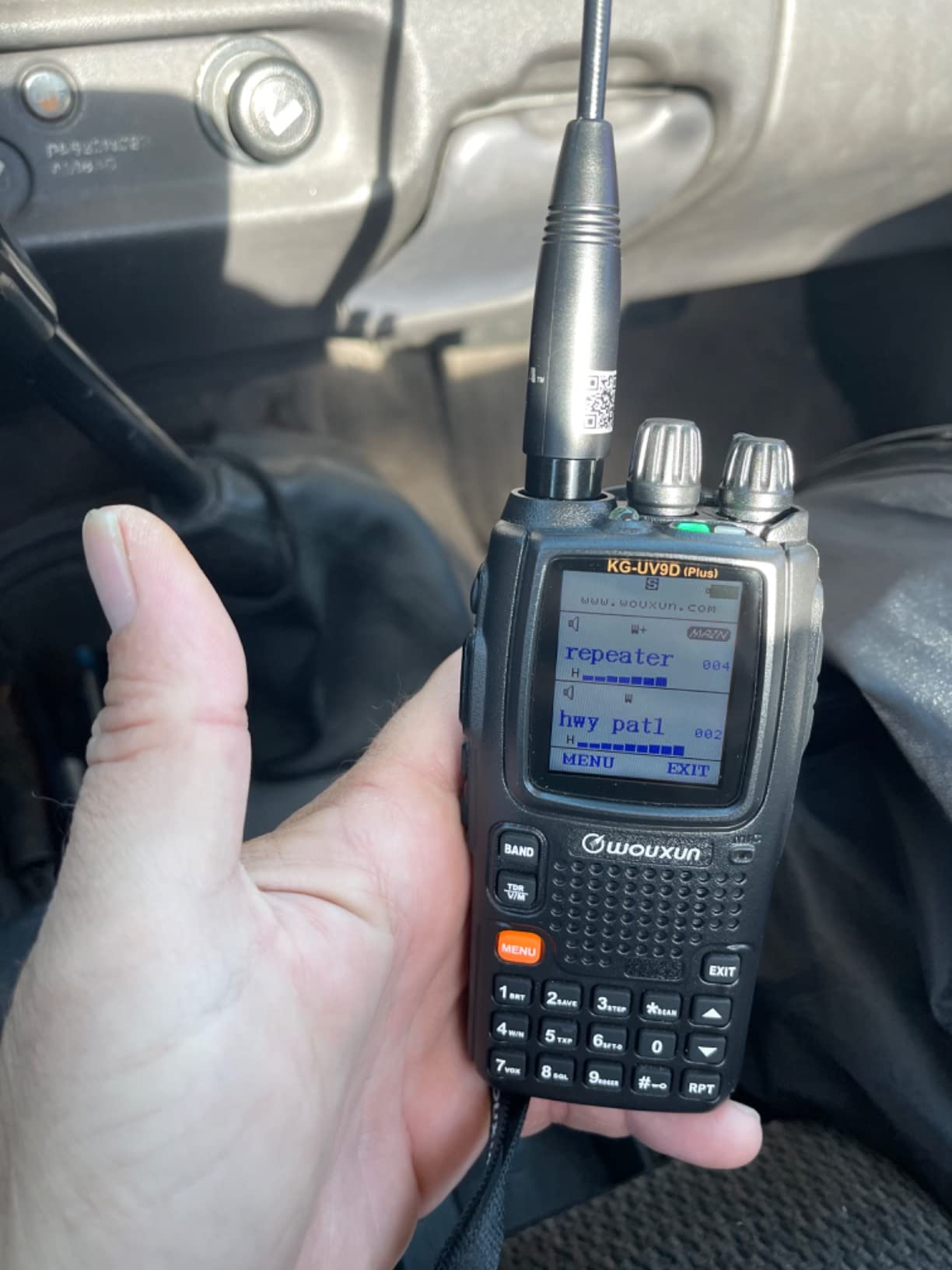
 Wouxun KG-UV9D Plus 7 Band Two Way Radio Wouxun KG-UV9D Plus 7 Band Two Way Radio |
|
Check Latest Price |
 Wouxun KG-S74A Compact Waterproof VHF Aviation Radio Wouxun KG-S74A Compact Waterproof VHF Aviation Radio |
|
Check Latest Price |
1. Yaesu FTA-250L – The Best All-Round Handheld Aviation Transceiver
- ✓Highest reviewed rating combination in the lineup
- ✓Compact body that fits in a hand or a headset pocket
- ✓Bundled rechargeable battery
- ✓cradle
- ✓12V adapter and headset adapter
- ✓DSP noise reduction with four levels
- ✓8.33 kHz narrow band for European airfields
- ✕Battery recharges only in the cradle
- ✕Digital squelch setting is easy to disturb when set down
- ✕Programming cable costs extra and software is limited
5W TX output
700 mW audio
250 memory channels
8.33 kHz narrow band
IPX5
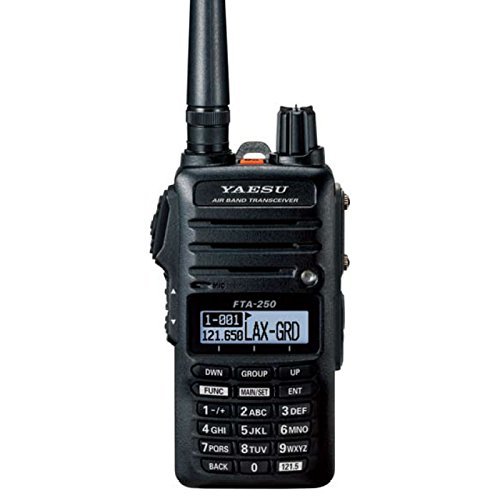
This is the radio I put in my own bag. The FTA-250L covers 118.000 to 136.975 MHz with 250 memory channels and transmits at 5 watts, which is more than enough to reach a tower or a nearby aircraft in almost any GA scenario I have run into.
The body is small, measuring just over four inches tall and a little over two inches wide, and that matters more than any spec on the sheet. A handheld you can hold in one hand while clipping your headset on with the other is worth a great deal during a busy arrival. The 700 milliwatt of audio output is genuinely loud enough to cut through engine noise in a light piston single.
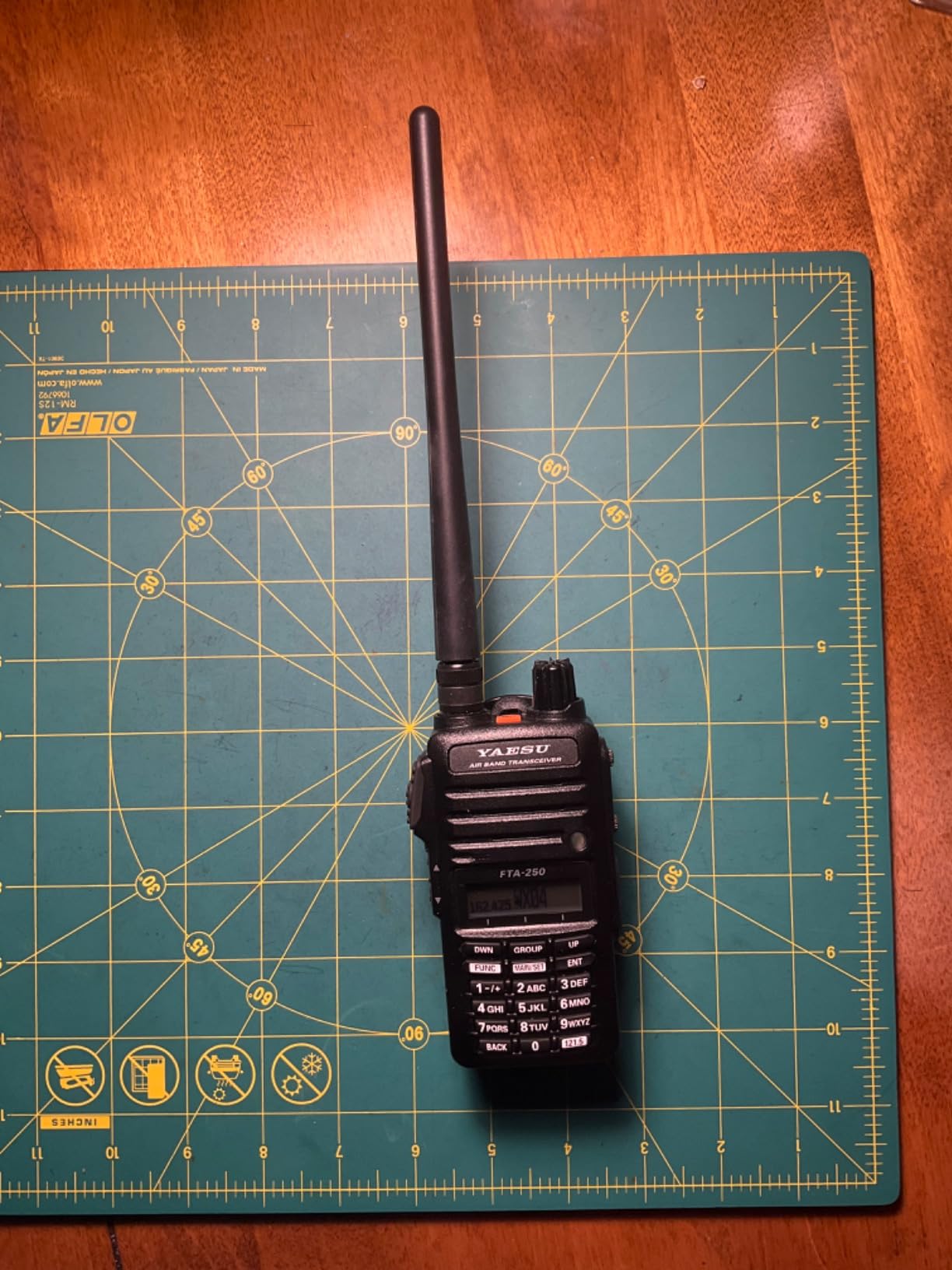
Owners consistently call out reception and transmit clarity as the standouts, along with the DSP noise reduction, which has four adjustable levels and does a decent job of pulling static down near power equipment. It ships with a rechargeable battery, a charging cradle, a 12V adapter and a screw-in headset adapter, so you are not hunting for parts on day one.
Why the 8.33 kHz Narrow Band Setting Matters in Europe
If you fly anywhere in Europe you will eventually hit an airfield where 8.33 kHz channel spacing is the only legal spacing. The FTA-250L is narrow-band compatible, which means you can tune the increment you need instead of being locked out of certain frequencies. Domestic US pilots will never touch the setting, but for anyone with a European cross-border habit it removes a real planning headache.
That single feature is the main reason I rank this radio ahead of several higher-tier units. Combined with the standard 25 kHz capability, it covers essentially every airband channel you are likely to program.
Battery Behaviour and the Cradle-Only Charging Catch
The rechargeable pack is the practical daily choice, and the included cradle keeps charging simple at home or in the hangar. The catch owners mention most often is that the battery will only recharge in that cradle. The external DC jack powers the radio but will not top up the pack, so if you buy a spare battery, plan to keep the cradle with it.
For redundancy I would still carry a fresh set of AA cells in the flight bag even though this radio does not ship with an alkaline tray. Sealed alkaline packs have near-unlimited shelf life, and that is exactly what you want for the scenario where the lithium pack has been sitting in a hot car all summer.
Audio, Squelch and Day-to-Day Handling
Audio is the reason many pilots settle on this unit. The four-level DSP cuts background static effectively, and the LCD is large enough to read in a bright cockpit without squinting. Reviewers also appreciate the digital squelch, which behaves more intelligently than the analog knobs on older radios.
One caveat: the digital squelch setting lives in the menu, and several owners report it can be knocked out of adjustment if the radio is set down hard or placed near strobing lights. It is a minor annoyance, not a failure, but worth knowing before you rely on it in a busy pattern.
2. Icom IC-A16 – Best Battery Life and Sealing in the Lineup
- ✓Battery carries a full eight-hour shift
- ✓Lightest true aviation handheld here at 9.1 ounces
- ✓IP68 is the tightest sealing rating in the lineup
- ✓Dedicated 121.5 MHz emergency key
- ✓Full numeric keypad for direct frequency entry
- ✕Display is small and a failed segment hurts readability
- ✕Programming is less straightforward than on older Icom units
- ✕Printed manual just points you to the online version
IP68 waterproof
2400mAh BP-280 Li-ion
BNC antenna connector
30 dB noise reduction
9.1 ounces
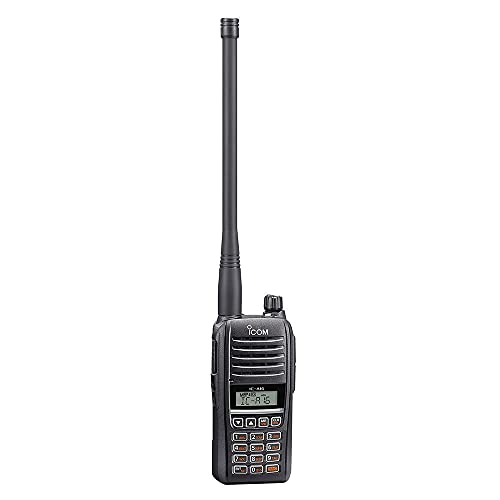
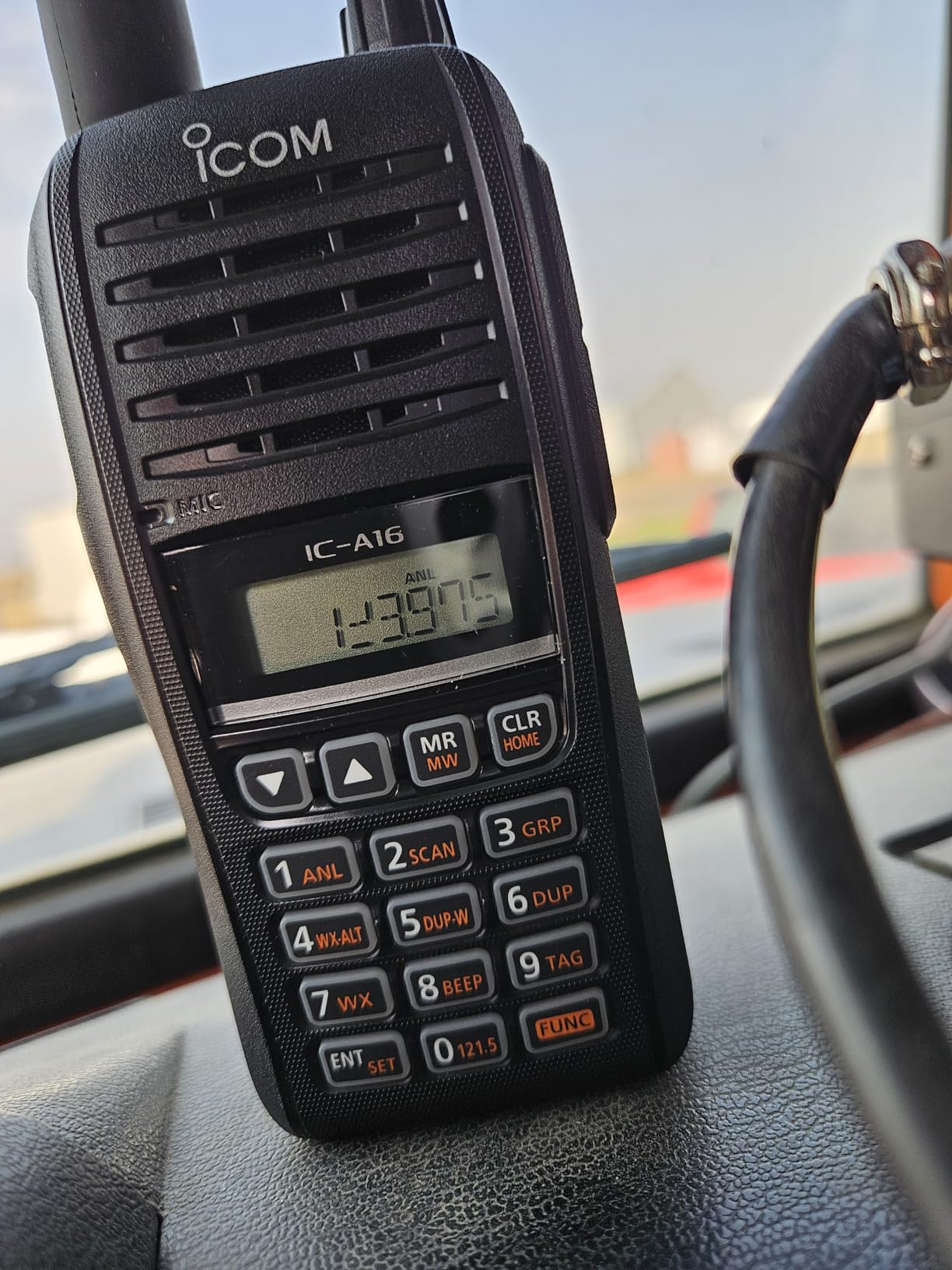
The IC-A16 is what I recommend to a student pilot who will carry the same radio for fifty hours a year. Nothing about it is flashy, and that is the point. It weighs 9.1 ounces, seals to IP68, and runs a 2400 mAh lithium-ion pack that owners report lasting a full eight-hour shift on a charge.
It transmits on 118.000 to 136.99166 MHz and receives the same band plus 108.000 MHz upward, which lets you hear VOR and navigation-audio frequencies even though the radio cannot decode them. That receive range is genuinely useful for monitoring ATIS and for hearing nearby traffic before you call.

Why the 121.5 MHz Key Beats Digging Through Menus
There is a dedicated button on the IC-A16 for the 121.5 MHz emergency channel. In a real emergency you do not want to navigate a menu tree, and a hard-wired key removes one entirely avoidable step. Combine it with the full numeric keypad and you can enter any frequency directly rather than scrolling a channel list.
The keypad also makes sidetone practical. Owners using third-party headsets report that sidetone works well, so you hear your own voice through the headset and know the microphone is actually working before you transmit a real call.
Battery Endurance Versus the Small Display
Endurance is where this radio separates itself. A 2400 mAh pack covering a full duty day means many pilots charge it overnight and never think about it again, which removes an entire category of preflight anxiety. The tradeoff is the display, which is small enough that reviewers call out the risk of a failed segment making characters hard to read.
That is a fair criticism and it is worth inspecting the screen carefully if you buy one secondhand. For a young battery it is a fair trade, because readability matters less when the radio stays on the COM frequencies you programmed months earlier.
Sealing, Connector and Everyday Durability
The IP68 rating means the radio is dust-tight and protected against continuous immersion, which is the strongest ingress specification in this group. Pilots flying through winter rain, ramp snow or spray off a waterbird get more comfort from that than the IPX5 ratings carried by several rivals.
The BNC antenna connector is the other practical win. It accepts the common external antenna adapters used to run a remote or glare-shield-mounted whip, which is the single highest-leverage upgrade you can make to any handheld aviation radio. Owners also report clean reception near power equipment thanks to the rated 30 dB audible noise reduction.
3. Sporty’s PJ2+ COM – Best Handheld for Standard PJ Headsets
- ✓Dual PJ plugs mean no adapter to buy or lose
- ✓No menu depth at all
- ✓Large one-hand-operable buttons and backlit keypad
- ✓6 watts PEP gives clear air-to-air and ground calls
- ✓Antenna
- ✓belt clip and USB-C cable included in the box
- ✕Not water resistant
- ✕AA power only with no rechargeable option
- ✕Fewer navigation features than higher-end handhelds
6W PEP transmit
Built-in dual PJ plugs
Six AA power
USB-C aircraft power
3.5mm listen jack
The PJ2+ exists to remove friction, and it does that better than anything else here. You power it on, key in a frequency, press push-to-talk and talk. There is no menu structure to learn, which is why instructors and student pilots keep recommending it.
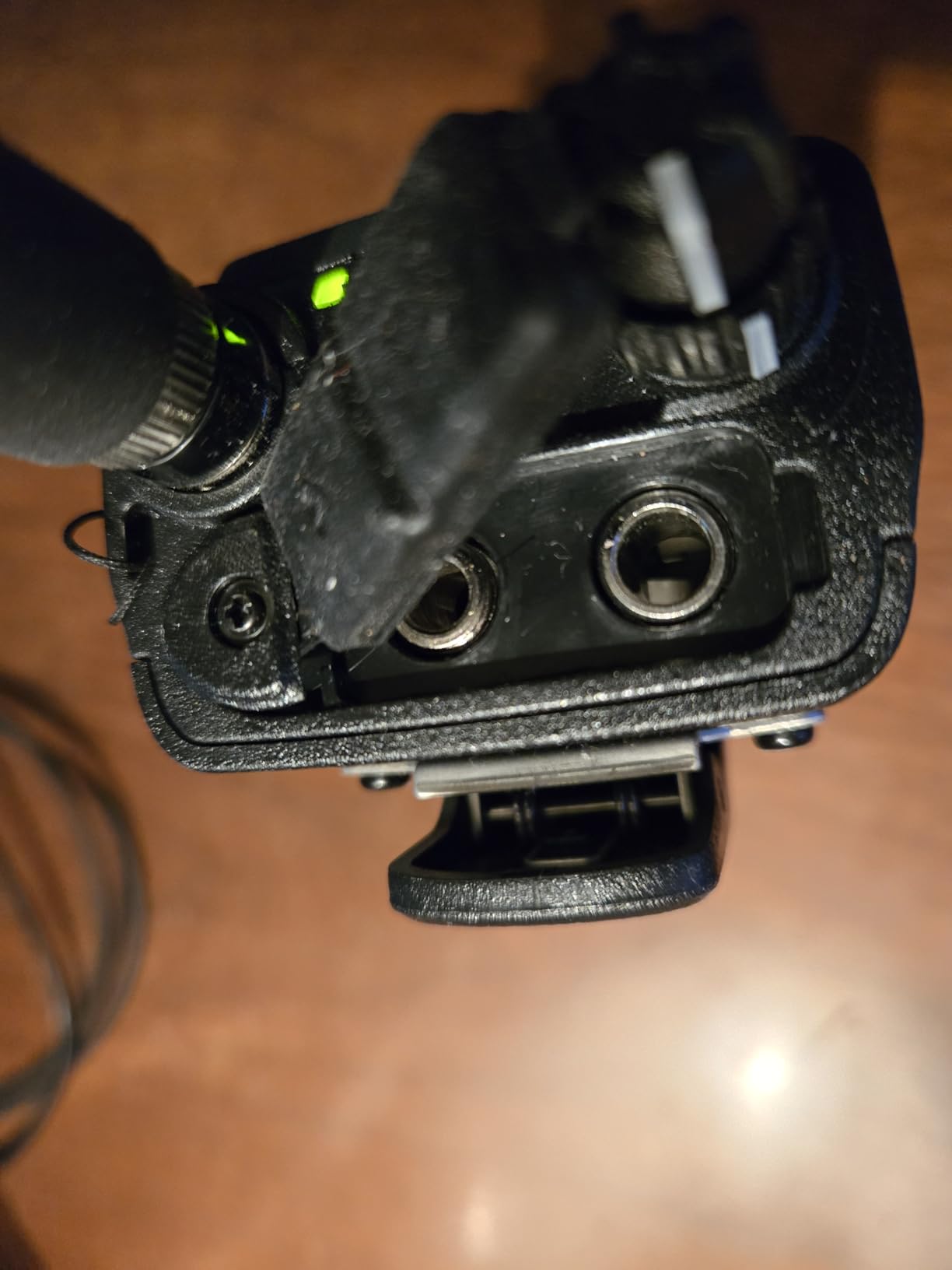
The dual PJ headset plugs are the reason to buy it. If your aviation headset uses the standard PJ configuration, the plugs are already in your hand and nothing needs to go between radio and headset. That removes the single most common failure point in flight bag comms, which is an adapter left at home.
Six Watts PEP and the Case for Simplicity Under Stress
Six watts peak-emitting-power is at the top of what this group offers, and owners note the resulting transmissions are clear both air-to-air and on the ground. The body is 12.8 ounces and about six inches tall, with large buttons and a backlit keypad that can be worked one-handed, gloves on or off.
The flip-flop, push-to-talk and backlight buttons sit on the left side where your thumb naturally falls. Dedicated physical buttons matter enormously in the lost-communications scenario, because fumbling through a menu while a controller is calling is how small problems become real ones.
Powering It in the Aircraft and Away From It
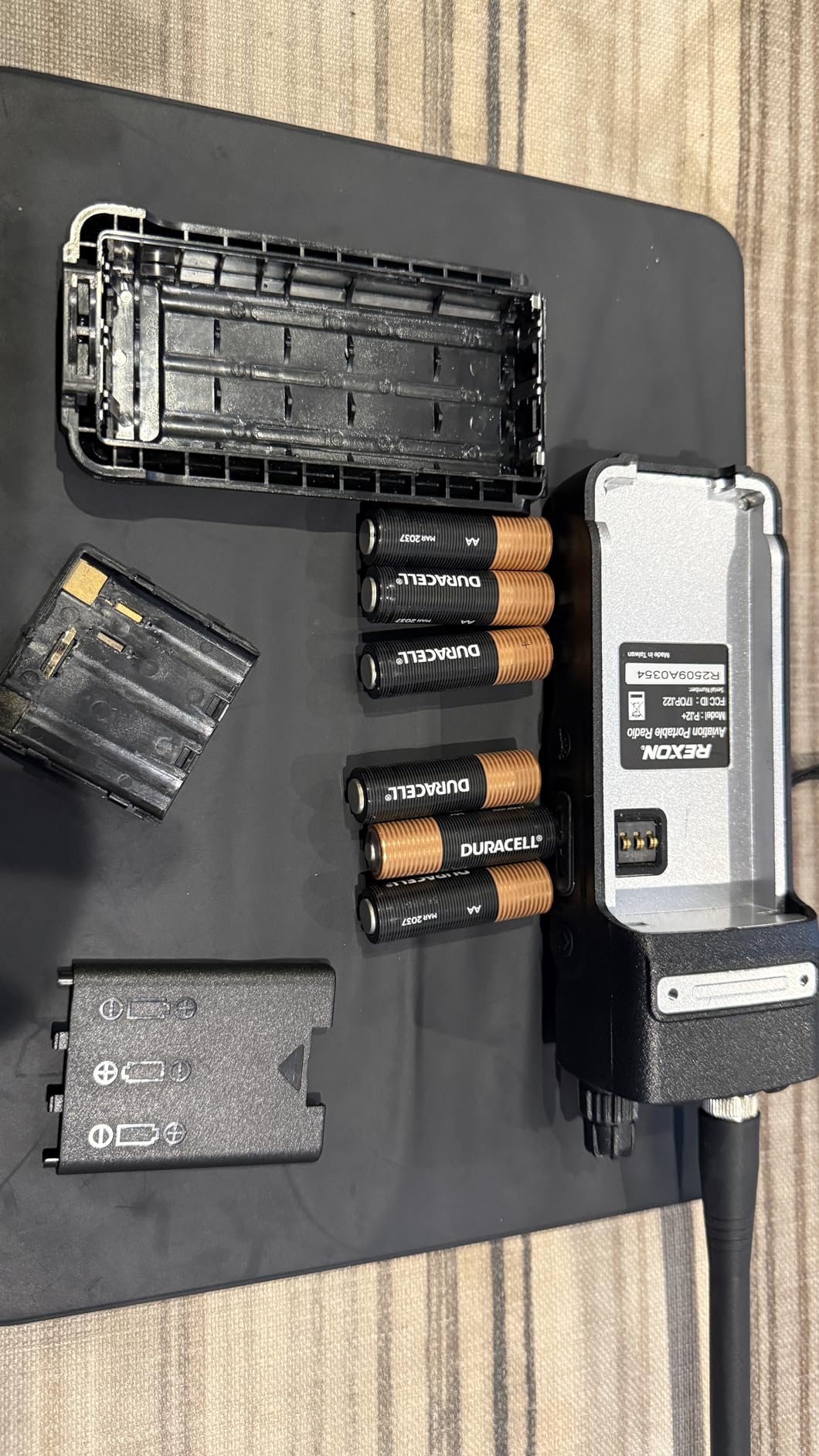
Six AA cells power the radio, and an included USB-A to USB-C cable lets you run it from aircraft power on the ramp and during flight. There is a dedicated 3.5mm headphone jack for listening, so you can monitor without wearing a full headset while walking the ramp.
The absence of a rechargeable battery option is the one genuine gap. Alkaline cells solve the long-term storage problem beautifully, but for daily flying the swap cost adds up. Many pilots using this radio carry a second set of cells in a sealed bag rather than fussing with chargers.
What You Give Up Compared With the NAV/COM Radios
This is a communications-only radio, so there are no VOR, localizer or glideslope functions to decode. If you are a VFR pilot building toward instrument work, that is a feature you will eventually outgrow. If your panel already carries a working NAV/COM stack, a backup radio does not need to duplicate it.
It is also the only unit here without any water resistance rating. That matters if you fly in coastal weather or store the radio somewhere damp. Keep it in a zip bag in the summer and the trade-off costs you very little.
4. Icom IC-A25N – Best Handheld for Bluetooth Headsets
- ✓Bluetooth pairs directly with wireless aviation headsets
- ✓Largest display in the lineup with a night mode
- ✓Intelligent battery with on-screen health monitoring
- ✓Hot-key mapped keypad speeds up in-flight use
- ✓IP57 waterproof with flip-flop recall of last 10 channels
- ✕Most expensive handheld in this lineup
- ✕Programming and channel grouping take practice to master
6W PEP RF output
2.3-inch LCD with night mode
Built-in Bluetooth
2350 mAh pack, 10.5 hours
IP57
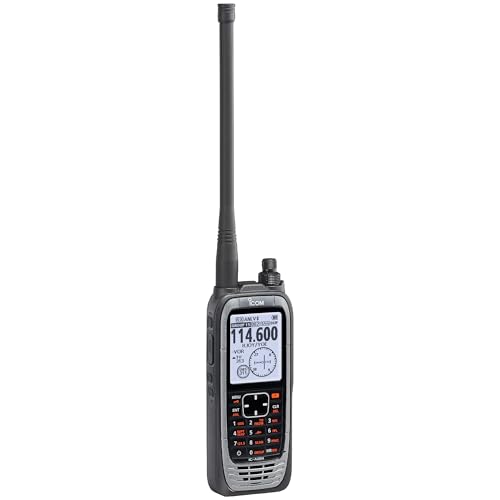
The IC-A25N is the most capable communications-only handheld here, and if you run a wireless headset it is the one to buy. Built-in Bluetooth pairs with aviation headsets directly, which eliminates the adapter problem entirely and removes the cable snag that trips people up in a cramped cockpit.
Note the model designation. The A25N is the North American channel plan with Bluetooth. Its sibling, the IC-A25C, is comm-only without Bluetooth, and the two are frequently confused in listings. If wireless connectivity matters to you, confirm you are holding the N.
Display Readability and the Night Mode Advantage
The 2.3-inch high-contrast LCD is the largest screen in this lineup, and the night mode makes it workable on a dark night IFR flight rather than a harsh backlight. Owners single out the screen as the feature that changed their experience, particularly on longer legs.
The keypad uses mapped hot keys, which means the most-used functions sit on dedicated buttons instead of buried in settings. Flip-flop recall returns the last ten NAV/COM channels, so a frequency you used ten minutes ago is one press away rather than a re-entry.
Battery Health Monitoring Instead of Guessing
The intelligent 2350 mAh pack delivers up to 10.5 hours of runtime and reports its own condition on screen. That is a genuine improvement over guessing from a four-segment indicator, because lithium-ion packs fade gradually and the failure is rarely obvious until it is too late.
Ten and a half hours covers most single-day flying comfortably. For multi-day trips, treat the on-screen reading as your go/no-go check rather than charging on a schedule and hoping.
Bluetooth Reality Check and Sidetone Limits
Owners with wireless headsets report clean pairing and reliable audio, while pilots using wired PJ headsets are limited to sidetone through the optional VS-3 headset rather than a generic third-party headset. That is a real difference from the PJ2+, which drives any standard PJ plug directly.
The other reservation owners raise is the learning curve around programming and channel grouping. Plan an afternoon with the programming software before you need it. Buying this radio for its Bluetooth and then discovering you cannot get your local frequencies loaded is a common and avoidable disappointment.
5. Yaesu FTA-850L – Best Handheld When You Want Navigation
- ✓VOR
- ✓localizer and ILS proved accurate against panel instruments
- ✓Bluetooth connects to supported headsets on power-up
- ✓Generous accessory package including alkaline battery case
- ✓Alpha-numeric tags and group names shown while scanning
- ✕Colour screen washes out or looks black in direct sunlight
- ✕Maximum brightness drains the battery faster
- ✕Bluetooth pairing fails with some non-Yaesu headsets
VOR, LOC and ILS
66-channel WAAS GPS
2200 mAh Li-ion at 7.2V
Bluetooth
108-136 MHz
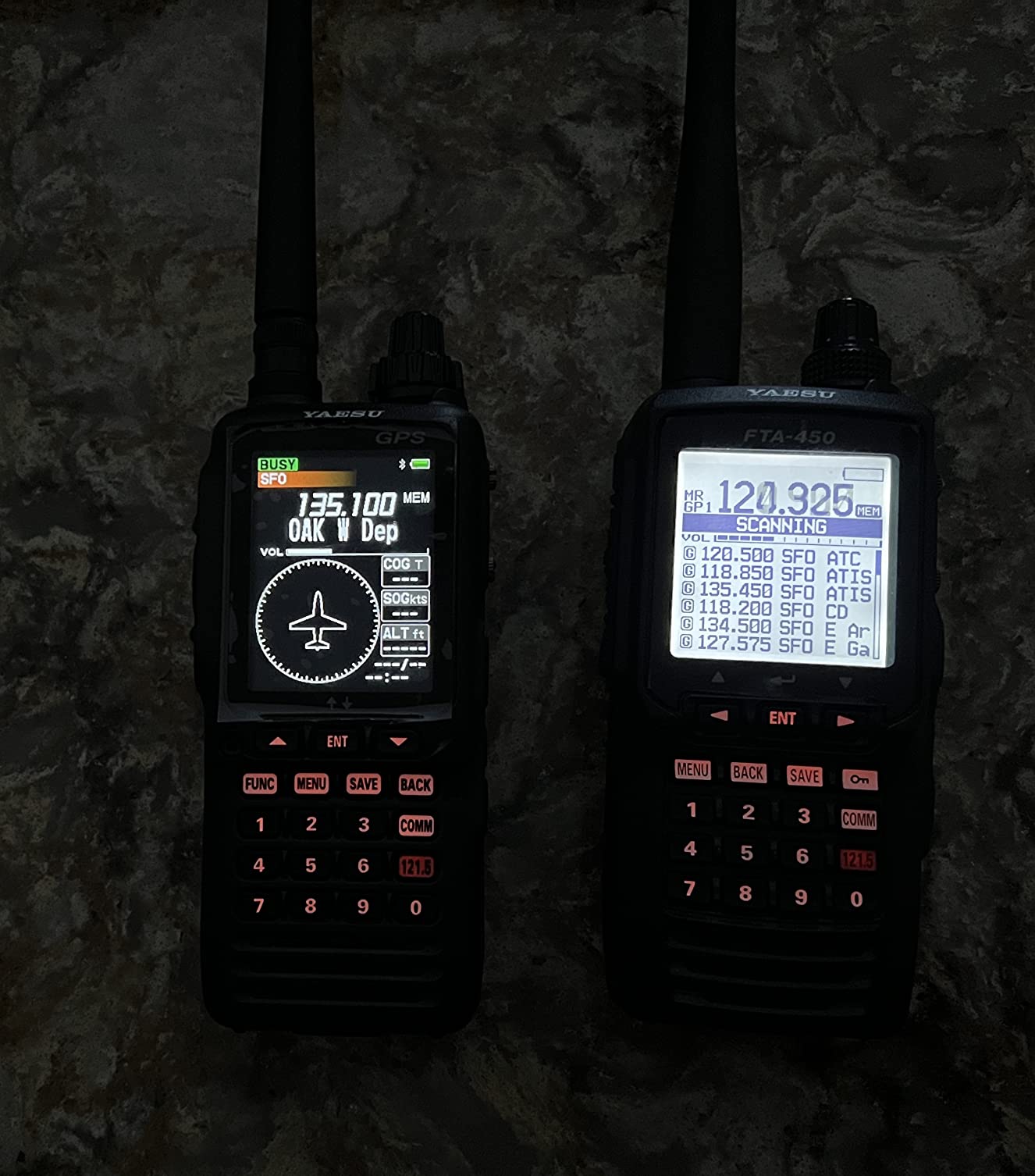
The FTA-850L is the only handheld here that decodes navigation signals, and for IFR flying that changes what it can do when things go wrong. Its VOR, localizer and ILS functions have been checked against panel instruments by owners and reported as accurate, which turns a spare radio into something closer to a partial-panel substitute.
It also carries an integrated 66-channel WAAS GPS receiver, so you get position alongside the raw navigation signals. The frequency coverage runs 108 to 136 MHz, meaning it receives navigation frequencies as well as the comm band.
What ILS on a Handheld Is Actually Good For
The honest answer is that an ILS receiver in a handheld is a practice tool and a genuine emergency aid, not a primary means of flying an approach. You have no glidepath display in the flight attitude sense, and the glideslope audio in this unit is basic by modern standards.
What it is good for is maintaining situational awareness when the panel is degraded and for rehearsing the raw signals before you meet them in an aircraft with a full indicator stack. Several owners describe using it to confirm a localizer course while troubleshooting a panel failure, which is exactly the situation a backup radio should serve.
The Colour Screen Problem in Daylight
The most consistent complaint across reviews is that the colour screen washes out or appears black in direct sunlight even at full brightness. If you fly at midday over bright terrain or water, expect the display to be harder to read than the monochrome screens on the Icom IC-A16 and the Yaesu FTA-250L.
Raising brightness to compensate costs battery life. That is the trade the FTA-850L forces: a richer screen for navigation data, or a readable screen and shorter runtime. For most pilots flying in daylight, the screen wins and you accept the battery hit.
Accessory Package and Third-Party Bluetooth Limits
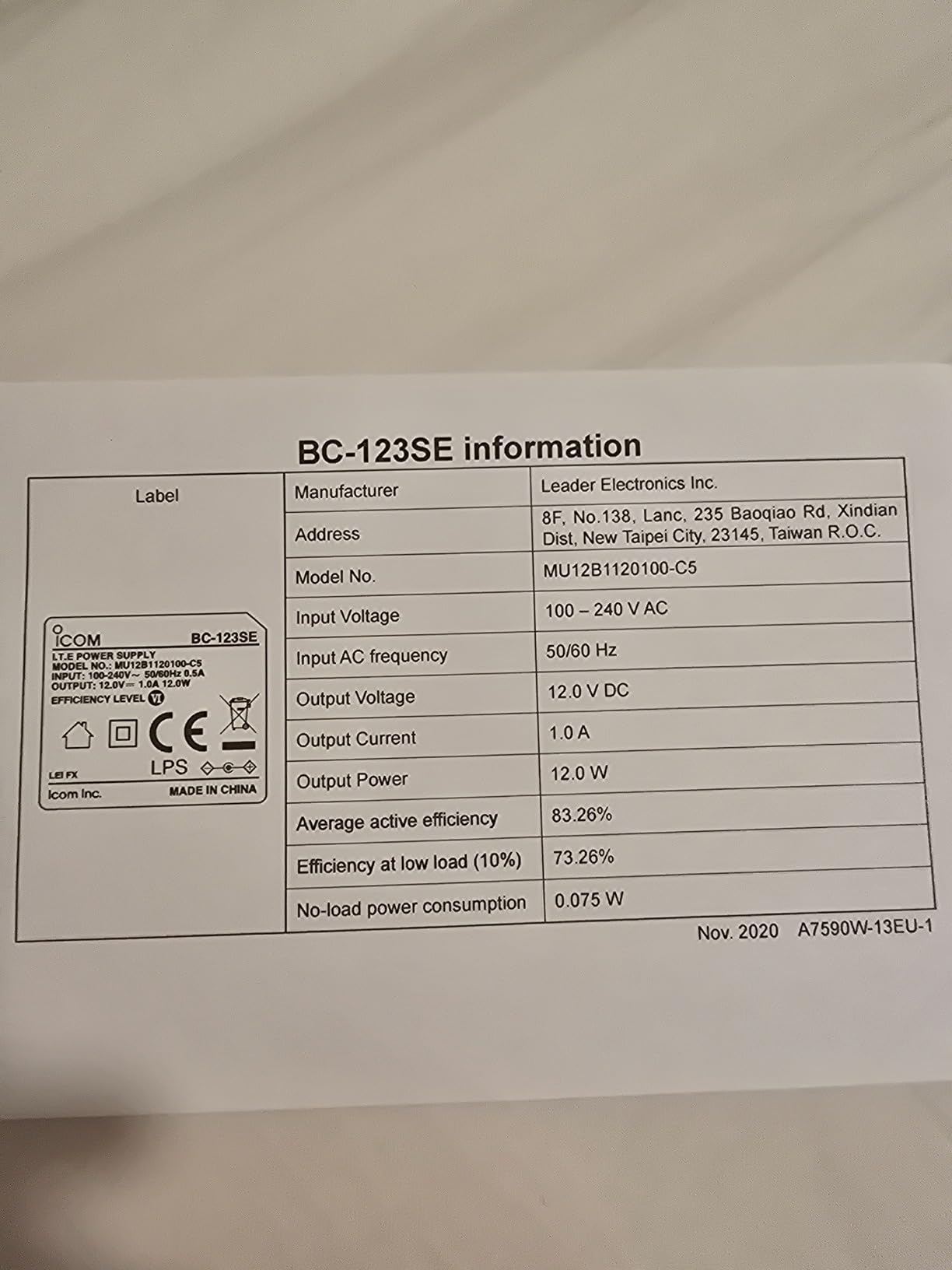
The box is generous. You get the cradle charger, 12V and AC cables, a headset adapter, ferrites, an antenna, the rechargeable battery, an alkaline battery case and a programming cable. Owners consistently call this out as one of the most complete packages available.
Bluetooth is the softer spot. Pairing works with some headsets automatically on power-up, but owners report it failing with certain non-Yaesu headsets and earpieces. If you already own a wireless headset, verify compatibility before you commit.
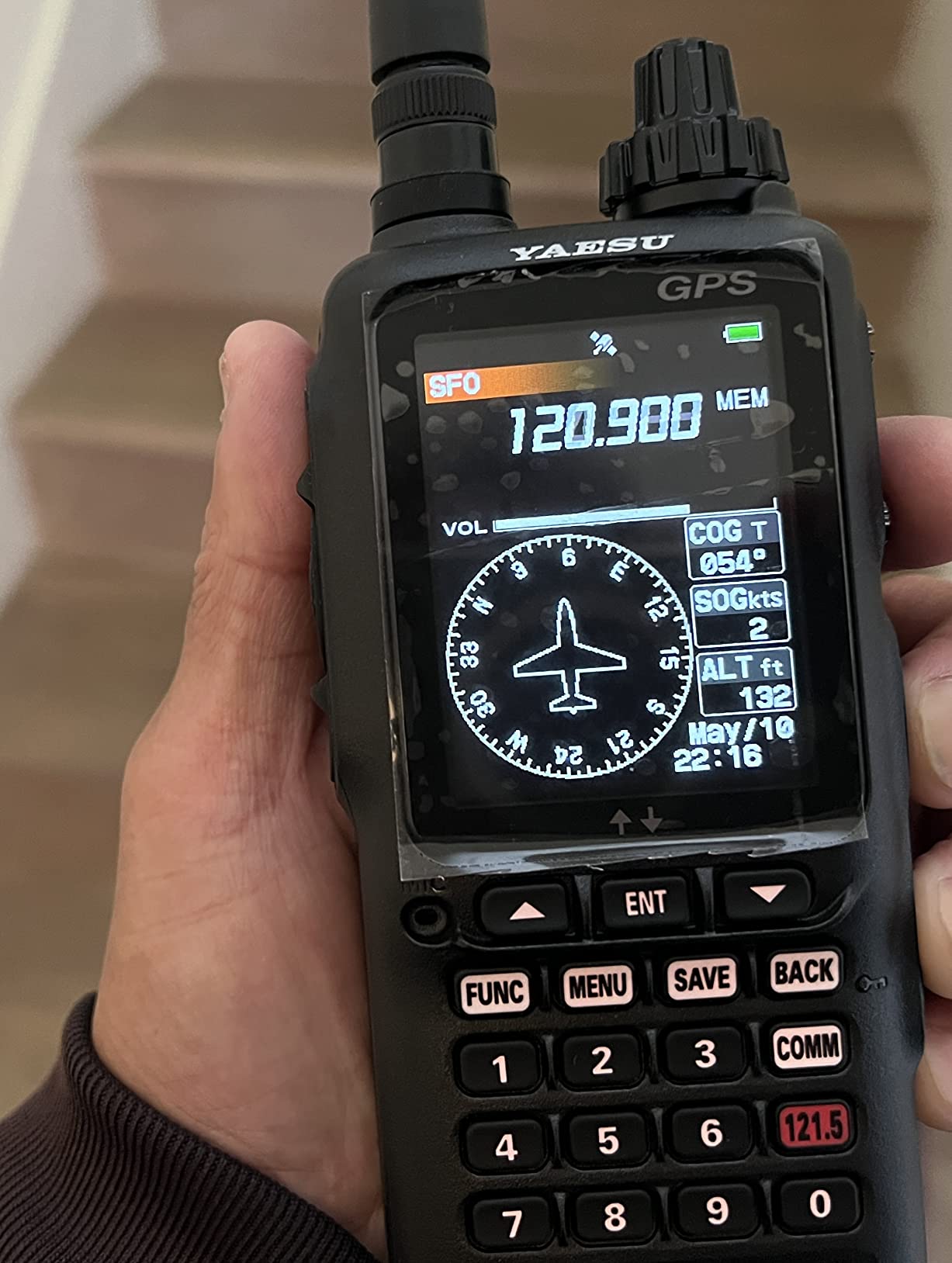
6. Yaesu FTA-550 – Most Reviewed Handheld on AA Power
- ✓Most owner history of any radio here
- ✓with 391 reviews
- ✓NAV/COM navigation functions on an AA-powered body
- ✓Headset adapter and antenna included
- ✓Free Yaesu programming software
- ✓Owners report 15-plus years of service from these units
- ✕Menu system is convoluted and not intuitive
- ✕Battery indicator is not accurate
- ✕AA tray has no retention strap so cells are hard to remove
NAV/COM with ILS and VOR
AA battery tray only
200 channels
IPX6
Headset adapter included
The FTA-550 is the most interesting long-term buy here. With 391 reviews it has more owner history than anything else in this lineup, and the recurring theme is durability. Multiple owners report units still in service after well over a decade, which is a longevity claim no other radio in this group can match on the evidence.
It carries NAV/COM functionality including ILS and VOR, which is unusual for a radio powered entirely by AA cells. That combination, sealed to IPX6, is what makes it a strong choice for a pilot who wants emergency readiness without managing lithium battery health.
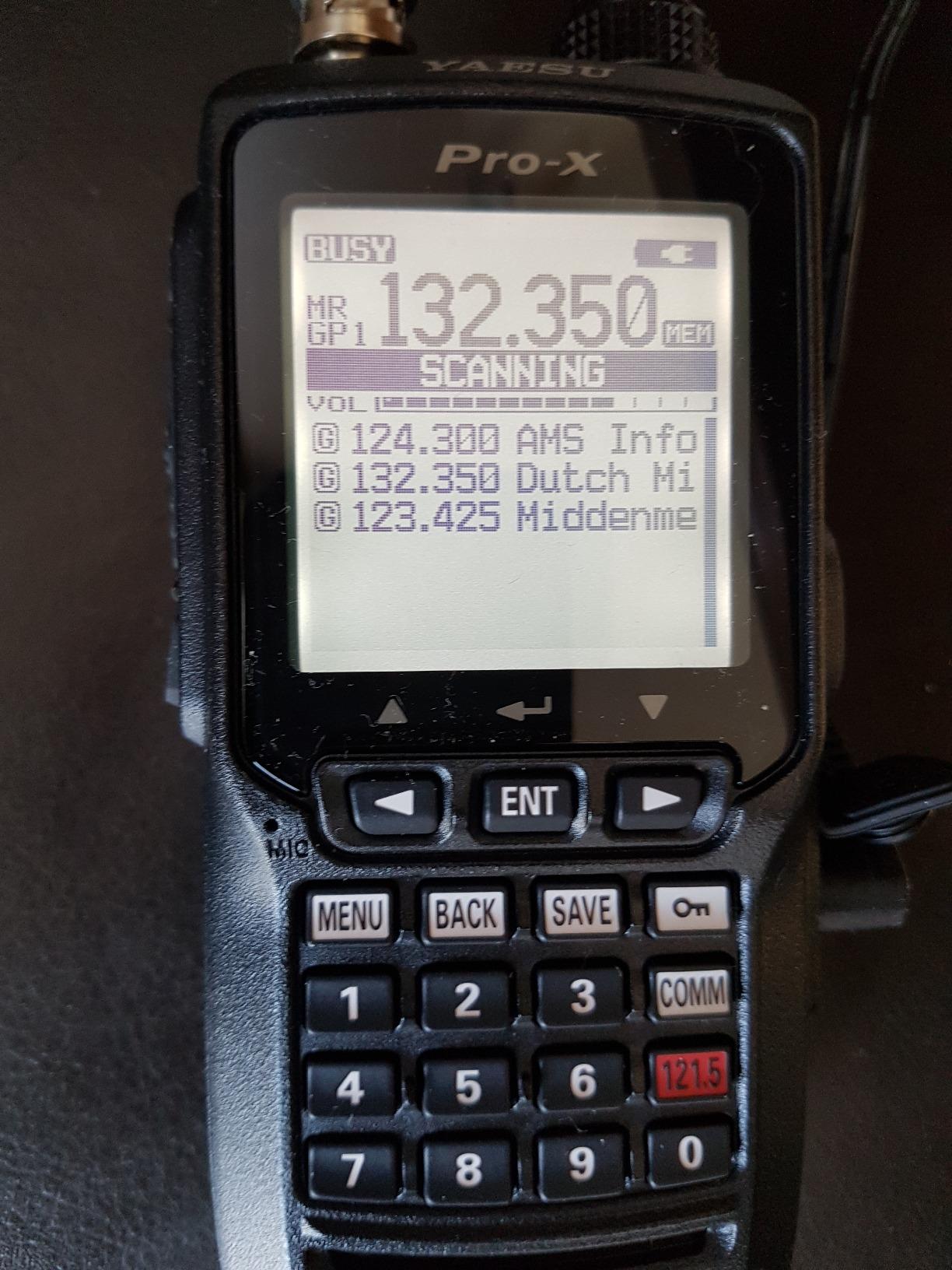
Why AA Power Is an Underrated Safety Feature
Lithium-ion packs self-discharge and degrade in heat. A radio sitting in a car on a summer day, or in a hangar that swings between cold nights and warm afternoons, is slowly losing capacity you cannot see. Alkaline cells do not have that problem, and sealed alkaline packs can sit in a drawer for years and still work.
That is the argument for a radio designed around an AA tray rather than one designed to accept one. If your failure scenario is a radio that must work on demand five years from now, AA power is a meaningful advantage. The tradeoff is daily convenience, since you are swapping cells rather than charging.
The Menu System Is the Price You Pay
Owners are consistent about the menu structure. It is described as convoluted, deep and not intuitive for pilots, and it is the single most common criticism of an otherwise well-regarded radio. Expect to budget real time learning where functions live.
The compensating factor is that the radio is set up once and then used for years. Program your frequencies on the ground with the free Yaesu software, which owners report produces a radio ready in under a minute, and the menu depth becomes far less relevant.
The AA Tray Design Detail That Annoys Everyone
The battery tray has no retention strap, which means cells sit loosely in the pack and are genuinely hard to pry out with cold fingers. It is a small, fixable irritation that shows up in a lot of reviews, and it is the kind of detail that costs five minutes of frustration every time you change batteries.
Reviewers also flag the battery indicator as inaccurate, so track usage by counting hours rather than trusting the gauge. Reception and transmit clarity, by contrast, draw almost nothing but praise.
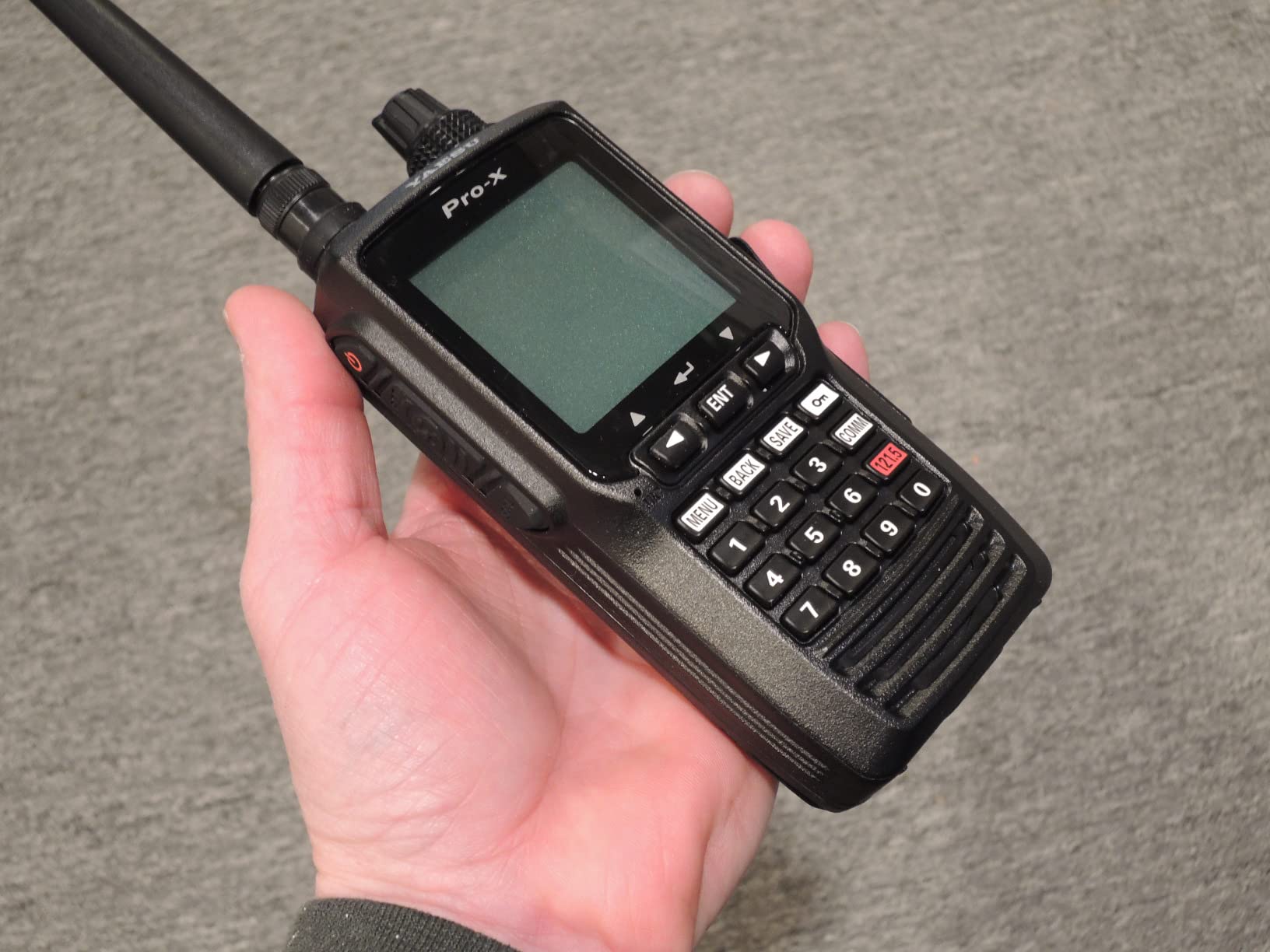
7. Icom IC-A25C – Best Flexibility When You Want Both Battery Types
- ✓Runs on either the smart battery or the included AA case
- ✓Sensitivity is excellent
- ✓better than older units
- ✓Charges in the included stand or from car or wall
- ✓Build quality is solid
- ✓Three-year waterproof warranty from the factory
- ✕This A25C variant has no Bluetooth
- ✕unlike the A25N
- ✕Squelch stays very sensitive even at its maximum setting
- ✕Export channel plan is less useful for US users
Comm-only 118-137 MHz
BP-288 smart battery plus BP-289 AA case
Flip-flop recall
121.5 MHz key
IP57
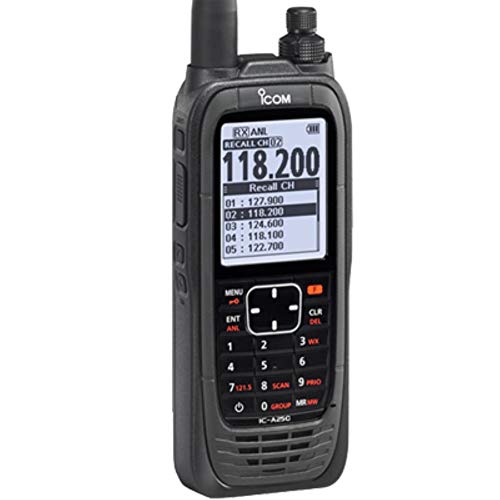
The IC-A25C is comm-only, covering 118 to 137 MHz, and its distinguishing feature is that it runs on either battery type. The BP-288 smart battery charges in the included stand, and the BP-289 AA battery case is in the box, so you can choose per flight rather than committing to one strategy.
That makes it the most flexible radio here for a pilot who flies often but also wants a sealed alkaline option for extended storage. You get the smart battery status readout on one flight and years of shelf life on the other.
Read the Model Suffix Before You Buy
Owners report a recurring and legitimate frustration: listings for this product line frequently advertise Bluetooth because the sibling A25N has it, while the A25C does not. Buying the C expecting wireless headset support is one of the most common purchasing errors in this category.
If you want Bluetooth, buy the A25N. If you want the AA case and do not need wireless, the A25C is the better-matched tool. Confirm the suffix on the box before you leave the shop.
Squelch Sensitivity and Receiver Performance
Receiver sensitivity is a genuine strength, with owners reporting it performs better than older units. That is what lets you copy a distant tower or a weak ATIS without the audio dropping out.
The tradeoff is squelch behaviour. Owners describe it as very sensitive even at its maximum setting, which makes weak-signal reception harder than it should be. Expect to spend a moment adjusting it during preflight rather than assuming the radio is faulty.
Weather Channels, Priority Watch and the Extras Included
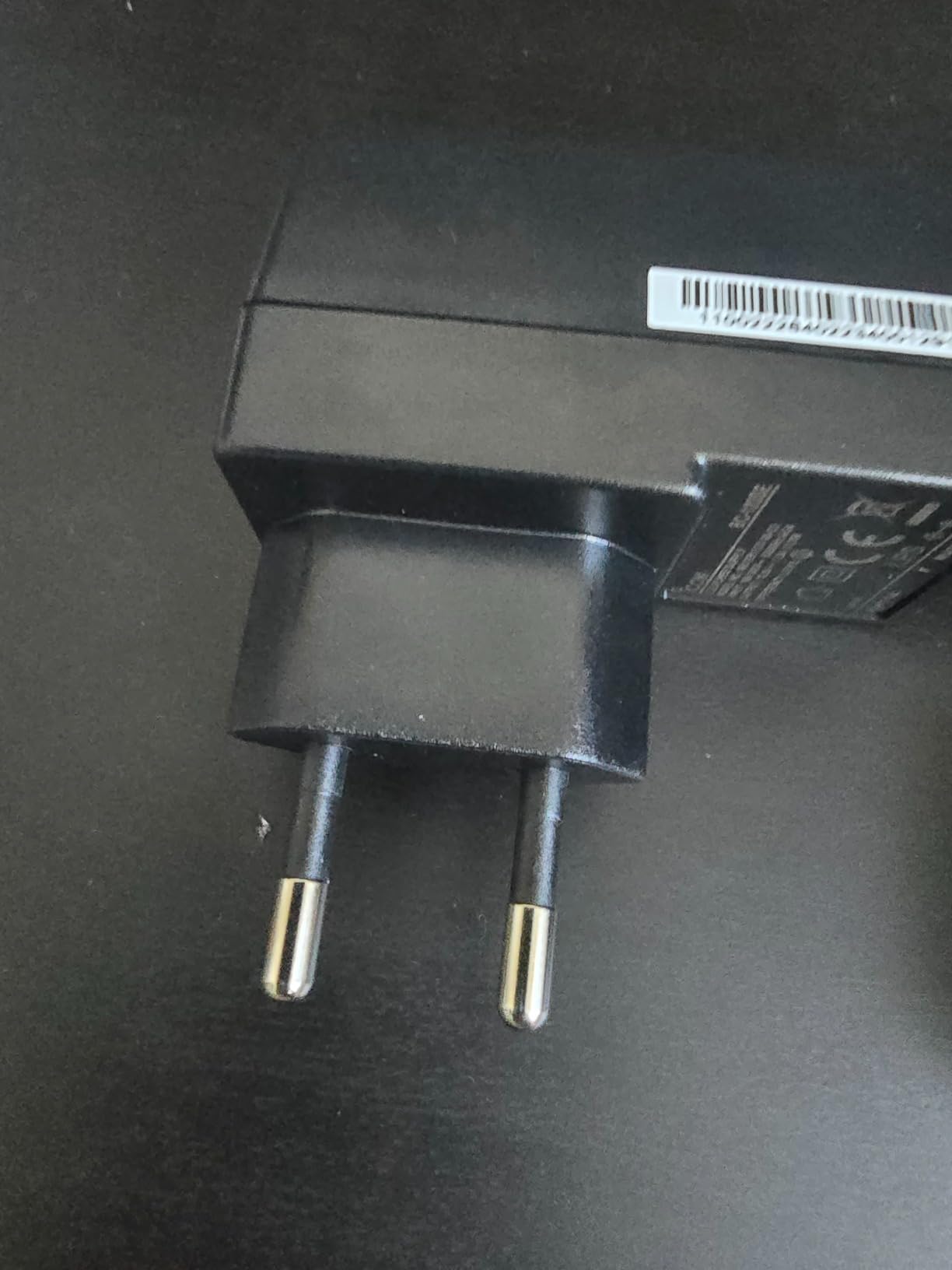
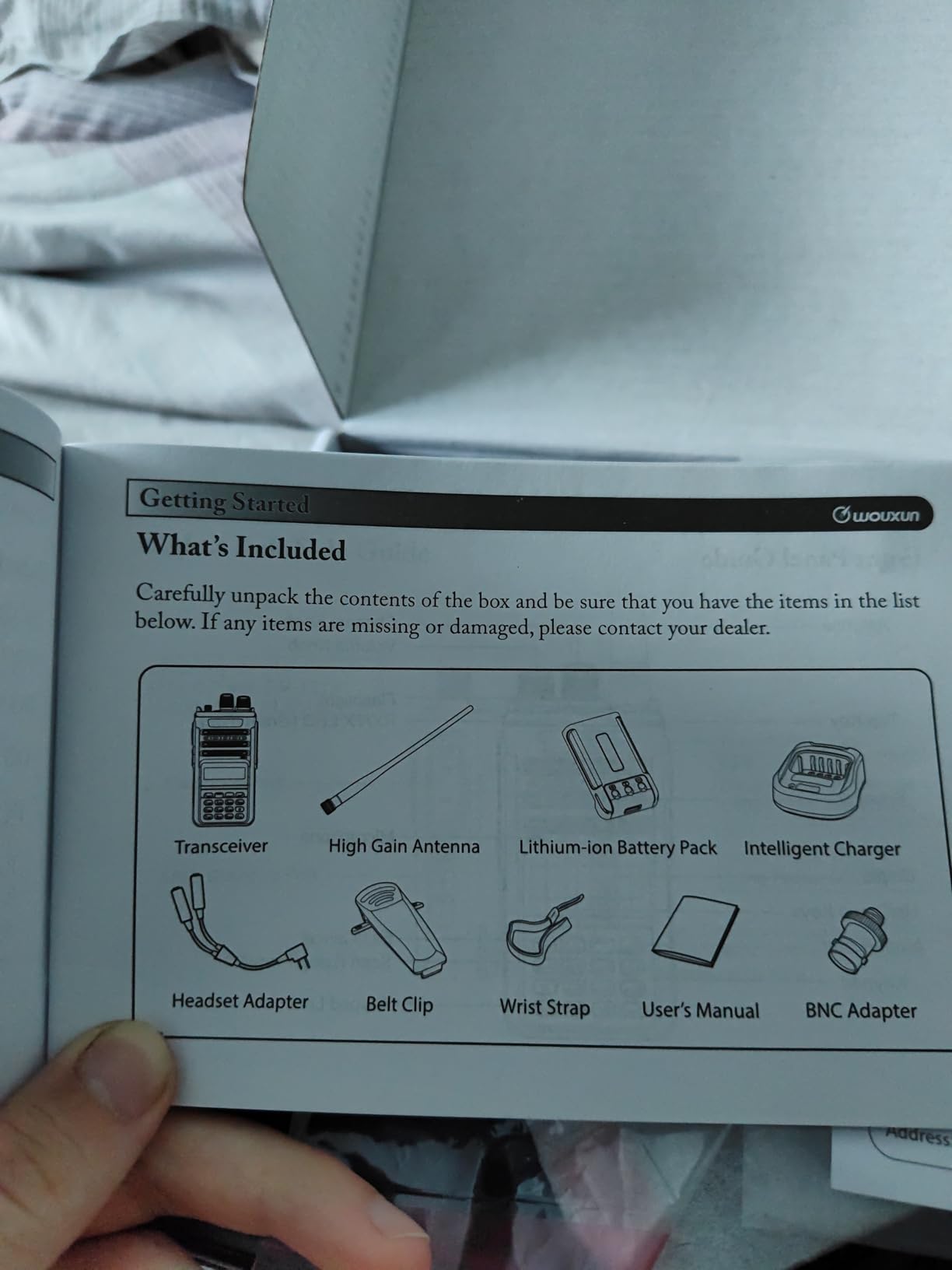
Beyond the basics it includes flip-flop channel recall, a dedicated 121.5 MHz emergency key, weather channels and a priority watch function. The box carries an antenna, battery pack, AA case, belt clip, charger with AC adapter, headset adapter, hand strap and documentation.
The warranty is worth noting for long-term owners: three years against factory defects and workmanship for waterproofing, with one year on accessories. Owners also report battery health staying near full capacity after several charge cycles, which is encouraging for a pack that will age with use.
8. Wouxun KG-UV9D Plus – Best Multi-Band Receiver, Not a Spare Transmitter
- ✓Receives across seven bands including the aviation air band
- ✓Stable circuit design that holds performance over years
- ✓Programs easily with a standard cable and CHIRP
- ✓Battery
- ✓antenna
- ✓belt clip
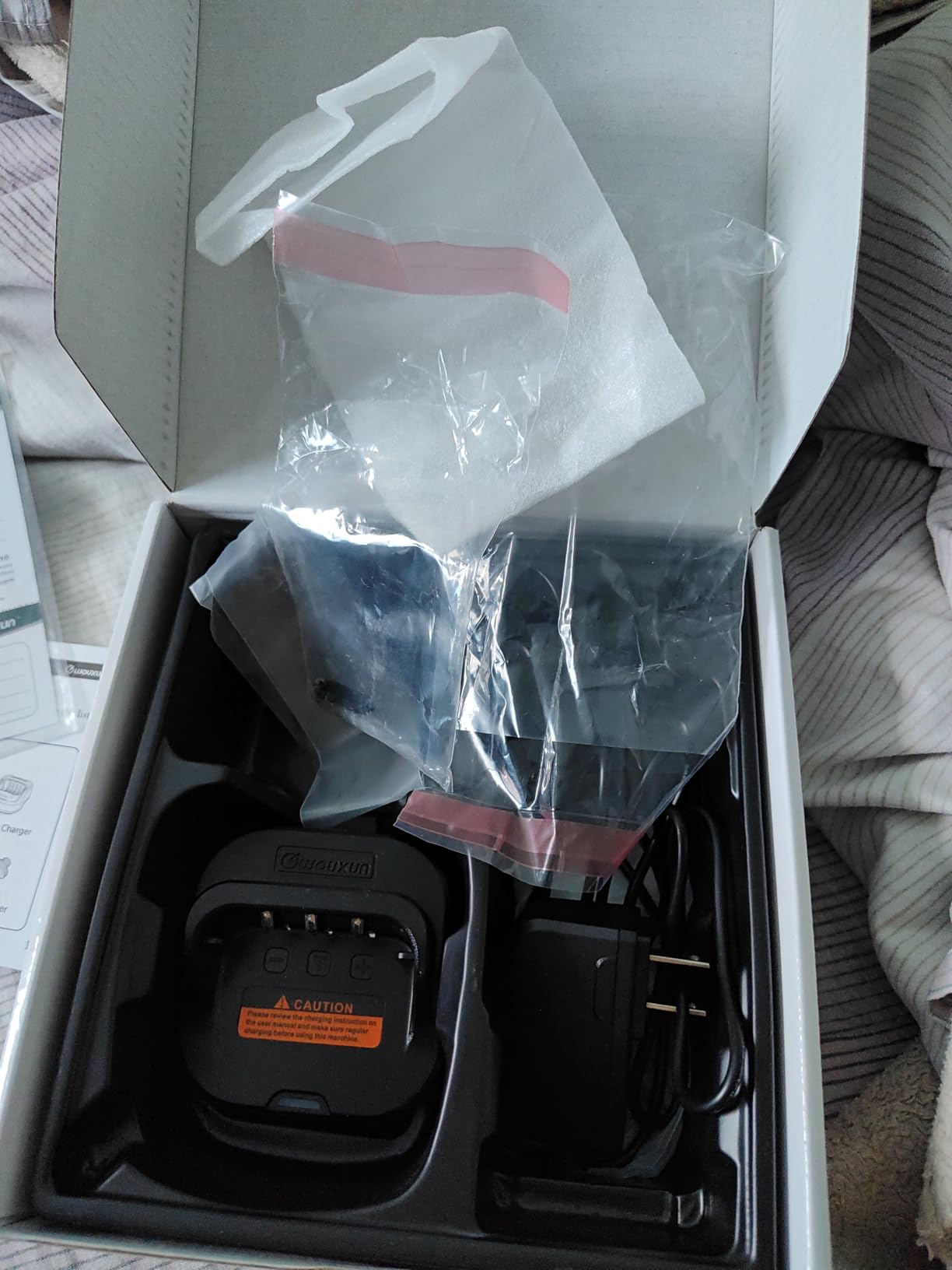
- ✓wrist strap and charger tray included
- ✕Air band and other non-amateur bands are receive only
- ✕Display is too dim to read outdoors even with the backlight
- ✕Many channels must be programmed manually
- ✕Heavier than comparable handhelds at 250 g
76-108 MHz air band receive
Seven bands reception
999 memory channels
VHF 5W/2W/1W
Cross-band repeater
Be clear about what this radio is. The KG-UV9D Plus receives across the aviation air band from 76 to 108 MHz, but transmission is limited to the amateur bands. It is a superb long-range listening companion and a poor substitute for a certified backup transceiver.
That still makes it a useful addition to a flight bag. Monitoring ATIS, weather and traffic frequencies from several miles away while walking to the aircraft is exactly what its extra receive range is built for.
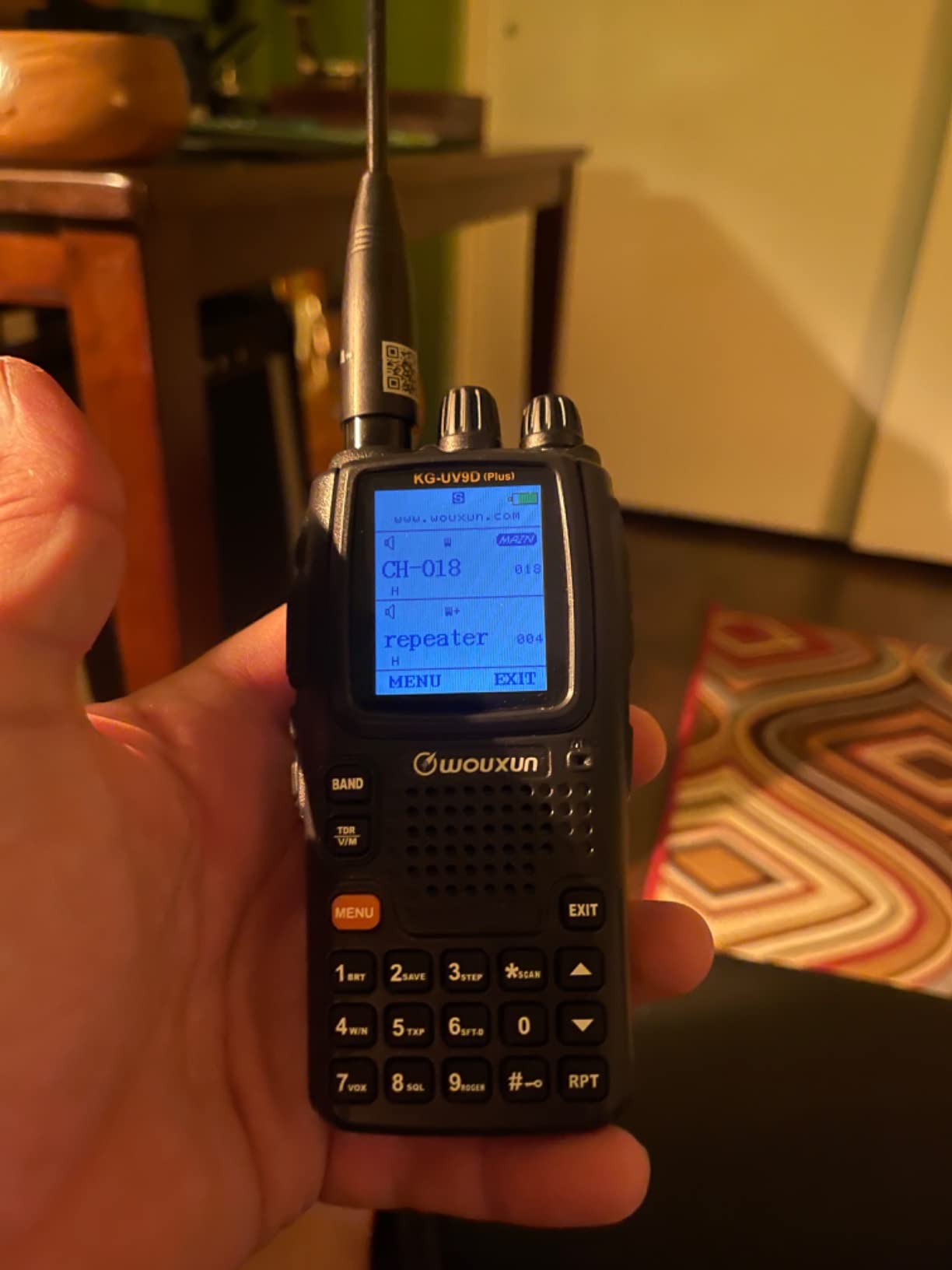
Seven Bands of Receive Coverage
Coverage runs from 76 MHz up to 965 MHz across seven bands, with dual receive allowing you to monitor two areas at once. Transmit power options include VHF at 5, 2 and 1 watts and UHF at 4, 2 and 1 watts, which is where the amateur bands come in.
The cross-band repeater function is a ham-radio feature rather than an aviation one. If you also fly gliders or tailwheel aircraft and want one handheld to cover several bands, that flexibility is a genuine advantage over a dedicated airband unit.
The Daylight Display Problem
The most repeated complaint is a display too dim to read outdoors even with the backlight enabled. On a sunny ramp, that is a serious usability issue for anything you would need to consult quickly.
The workaround owners use is to program the handful of frequencies you actually need before you leave the hangar. If you are reading this as a primary flight radio, look elsewhere. As a listening monitor you can check a frequency from the shade, this one is fine.
Programming With CHIRP and Long-Term Stability
Unlike the proprietary tools on the aviation radios, this unit programs with a standard cable and the free CHIRP software. Owners appreciate that flexibility, though they also note the manual is not especially helpful and many channels must be set up by hand.
For longevity, owners describe the circuit design as mature and stable, holding its performance over years rather than degrading. At 250 grams it is heavier than the aviation-specific handhelds, which adds up on a long walking tour of the ramp.
9. Wouxun KG-S74A – Budget Pick With Genuine Airband Transmit
- ✓Genuine airband transmit at the lowest cost of any dedicated aviation handheld here
- ✓Superheterodyne receiver gives strong air-to-air range
- ✓USB-C charging beats cradle-only designs
- ✓Battery reaches 26 hours with saver mode and holds up over a year
- ✓IP67 waterproof with a backlit display and built-in flashlight
- ✕Programming is confusing and the manual explains it poorly
- ✕Battery saver clips the first half second of each transmission
- ✕Not compatible with Lightspeed aviation headsets
- ✕No VOR or navigation functions
6W PEP superheterodyne
118-137 MHz with 400 channels
2000mAh, up to 26 hours
USB-C charging
IP67
The KG-S74A is the entry-level option that actually transmits on the airband, which separates it from every other bargain handheld you will see. At 6 watts PEP through a superheterodyne receiver, it is a real transceiver rather than a receiver with a transmitter bolted on elsewhere.
It covers 118 to 137 MHz with 400 memory channels, carries NOAA weather channels with five weather alert notifications, and seals to IP67. Owners rate its value and range above more expensive alternatives, which tells you how thin the margins are in this segment.
Battery Life and USB-C as a Genuine Advantage
A 2000 mAh battery rated for up to 26 hours with battery saver is the longest runtime figure anywhere in this lineup, and owners report it holds up over a year of regular use. The USB-C port means you can charge it from anything that takes a USB cable, with no proprietary cradle to keep track of.
The catch is that battery saver clips the first half-second of each transmission. Leave the radio in full-power mode and you get normal operation; leave it on saver for maximum endurance and you will learn to pause before pressing the key.
Headset Compatibility Needs Checking First
Owners report that this radio is not compatible with Lightspeed aviation headsets, and some buyers have found the listed headset adapter missing from the box. Both are worth checking before you commit rather than after.
It also has no VOR or navigation functions at all. It is an air-to-air and ground communications radio and nothing more, which keeps the menu simple but ends the feature discussion.
Programming Is the Weak Point
The most common criticism is that programming channels is confusing and the manual explains it poorly. This is the same issue that appears with the Wouxun multi-band radio and it is a Wouxun pattern rather than a defect.
Plan on loading your frequencies from a computer before you need them rather than trying to enter them from the keypad at the ramp. Six keys are programmable with both short and long press actions, which gives you fast access to your most-used frequencies once the radio is set up.
How to Choose the Right Handheld Aviation Radio
Most of the decision comes down to three questions: what do you fly, will you practise the features you buy, and what connector does your headset use. Answer those honestly and the right radio becomes obvious.
What Kind of Flying Do You Actually Do?
Cross-country and travel VFR pilots need dependable comm and nothing more. That points at the Yaesu FTA-250L, the Icom IC-A16 or the Sporty’s PJ2+, all of which stay out of your way. Instrument pilots benefit from the Icom IC-A25N and Yaesu FTA-850L, where navigation decoding gives you something to fall back on.
Student pilots should start simple. Instructors consistently recommend a comm-only radio for early training because fewer menus mean less distraction, and the Icom IC-A16 or Sporty’s PJ2+ both fit that brief. The Wouxun KG-S74A is viable on a tight budget, but be deliberate about the programming step.
Comm-Only or NAV/COM?
Buy comm-only unless you fly in instrument conditions or are working toward a rating. The NAV/COM radios here add VOR, localizer and ILS decoding at the cost of a larger screen, a deeper menu system and a higher price tier. None of that helps you copy a clearance.
The exception is a pilot with a single comm radio in the panel. There, a NAV/COM handheld gives you real capability during a partial failure rather than a single duplicated frequency. That scenario justifies the Yaesu FTA-850L or the Yaesu FTA-550 on merit.
Headset Compatibility and the Adapter Minefield
This is where most buying errors happen. The Sporty’s PJ2+ has dual PJ plugs built in and drives a standard PJ headset directly. The Icom IC-A25N and Yaesu FTA-850L use Bluetooth for wireless headsets but need the correct wired headset for sidetone. The Yaesu FTA-250L, FTA-550 and Icom IC-A25C ship with an adapter for standard wired headsets.
Check your headset connector type before you order anything, and if your setup is wireless, verify pairing compatibility rather than assuming. Our guides to the best aviation headsets and pilot headphones worth buying cover the connector types in detail.
Antennas, Range and the Rubber Duck Reality
The rubber duck antenna supplied with these radios is adequate for pattern work and ground coordination. It is not adequate for a genuine emergency at altitude or at distance from a tower. An external antenna adapter that moves the whip to the top of the panel or onto a glare shield changes real-world performance more than any spec on the sheet.
For connector compatibility, the BNC fitting used by the Icom IC-A16 is the most common on the market, which makes adapters and cables easier to source. Check that your planned antenna matches your radio’s connector before you commit to a mounting solution.
Battery Strategy for Real Emergencies
Match the power source to how you fly. Daily flyers get more from a lithium-ion pack with 8 to 11 hours of runtime and a battery health indicator. Pilots who fly seasonally, store aircraft in cold climates or fly long cross-country routes benefit from AA capability, whether built in as on the Yaesu FTA-550 or added as the Icom IC-A25C’s AA case.
Whichever you choose, carry a sealed alkaline pack as the backup of the backup, and check it on the preflight inspection. Our ham radio comparison covers the multi-band receive options in more detail if you want a listening companion alongside your transceiver.
Five Mistakes Pilots Make With Handhelds
The first mistake is programming on the ramp. Set your frequencies on the ground with a charging cradle and the manufacturer’s software, then treat the keypad as an emergency tool rather than a database.
The second is trusting a lithium pack that has been sitting in a hot car for weeks. Self-discharge is slow and invisible, which is exactly why it is dangerous.
The third is flying with the supplied rubber duck and assuming it is enough. The fourth is buying navigation features and never practising them, which leaves a more expensive radio that performs no better under stress. The fifth is showing up without knowing which adapter you need, which is the mistake a dual-PJ radio like the Sporty’s PJ2+ simply removes.
Frequently Asked Questions
Do I really need a handheld aviation radio if my panel radio works?
Yes. Panel radio failures happen often enough that the FAA publishes lost-communications procedures for them, and a handheld lets you reach a controller or another aircraft when the panel unit is dead. It also saves fuel: you can copy ATIS and get a clearance before starting the engine, and monitor frequencies while walking to the aircraft.
What is the difference between a comm-only and a NAV/COM handheld radio?
A comm-only radio transmits and receives on VHF airband frequencies for voice communication. A NAV/COM handheld adds decoders for VOR, localizer and glideslope signals, plus often a GPS receiver, so it can show navigation information alongside voice comms. Most VFR pilots do not need the navigation functions; IFR pilots and anyone with a minimal panel often do.
Which handheld aviation radio has the longest battery life?
Among the units in this lineup, the Wouxun KG-S74A has the highest rated runtime at up to 26 hours with battery saver mode, and the Icom IC-A16 is the strongest all-round performer with a 2400 mAh pack that owners report covering a full eight-hour shift. The Sporty’s PJ2+ and Yaesu FTA-550 run on AA cells, where runtime depends entirely on cell capacity rather than a fixed rating.
Can a handheld aviation radio reach air traffic control at altitude?
VHF airband is line-of-sight, so a handheld working from a handheld antenna has limited range compared with a panel-mounted radio using the aircraft antenna. Owners report usable comms from several miles from the airport on the ground, and considerably more at altitude, but an external antenna adapter mounted on the panel or glare shield is the highest-leverage upgrade you can make.
What headset adapter does my handheld aviation radio need?
It depends on your headset and your radio. The Sporty’s PJ2+ has dual PJ plugs built in and works directly with a standard PJ aviation headset. Radios such as the Yaesu FTA-250L, the Yaesu FTA-550 and the Icom IC-A25C ship with a screw-in adapter for wired headsets. The Icom IC-A25N and Yaesu FTA-850L use Bluetooth for wireless headsets but need a specific wired headset for sidetone.
Is a cheap multi-band radio like the Wouxun KG-UV9D Plus safe for aviation use?
As a listening companion, yes. It receives across the aviation air band from 76 to 108 MHz, which makes it useful for monitoring ATIS and traffic from a distance. As a backup transmitter, no. Its air band coverage is receive only, with transmission limited to the amateur bands, so it cannot replace a certified aviation handheld in a lost-communications situation.
What happens if my panel radio fails in flight?
If you are VFR and losing communication, the usual first step is to climb to an altitude where you can reach a control facility and try a different frequency, then contact another aircraft and relay your position and intentions. If you are in danger, use 121.5 MHz. Flying with a charged handheld makes every step of that procedure easier because you have a working second radio in your hand.
Which Handheld Aviation Radio Should You Buy?
Buy the Yaesu FTA-250L if you want one radio that covers almost every situation well. It has the strongest combination of rating and owner history in this lineup, includes 8.33 kHz narrow band for European airfields, and ships with a rechargeable battery, cradle, 12V adapter and headset adapter.
Choose the Icom IC-A16 if battery endurance and sealing matter most to you, and for most student pilots it is the sensible first buy. Go with the Sporty’s PJ2+ if you fly with a standard PJ headset and want to eliminate adapters entirely, especially on a busy ramp. If you run a wireless headset, the Icom IC-A25N is the right call, with the caveat that you will spend time learning its programming software.
Reach for the Yaesu FTA-850L when you fly IFR and want navigation signals in your backup, and for the most durable long-term unit on AA power the Yaesu FTA-550 is hard to argue with despite its menu system. The Icom IC-A25C gives you the choice of both battery types. Treat the Wouxun KG-UV9D Plus as a listening companion rather than a spare transmitter, and consider the Wouxun KG-S74A if budget is the deciding factor and you will do the programming work in advance.
Whatever you pick, program it on the ground, carry sealed alkaline cells as backup, and add an external antenna adapter before you consider upgrading models. Those three habits deliver more safety than the next tier up.






Leave a Comment