
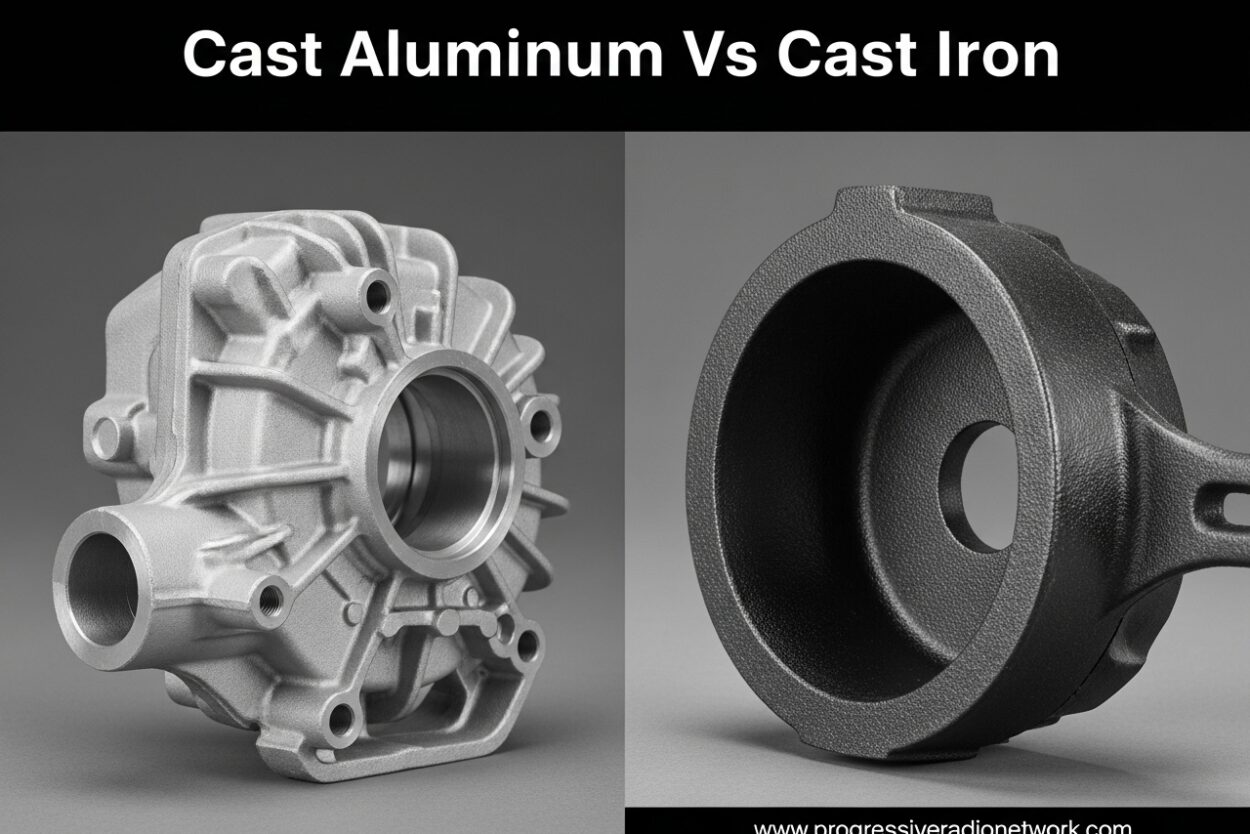
Choosing between cast aluminum and cast iron can make a significant difference in your cooking results and overall satisfaction with your cookware. Each material brings distinct advantages to the kitchen, and understanding these differences helps you make an informed decision based on your specific cooking style and needs.
When comparing cast aluminum vs cast iron, the most noticeable difference is weight. Cast aluminum weighs approximately one-third as much as cast iron, making it significantly easier to handle when full of food. However, cast iron’s heft provides excellent heat retention that creates superior searing capabilities and maintains consistent cooking temperatures even after adding cold ingredients.
Throughout this guide, I’ll break down the essential differences between these two materials based on thermal properties, durability, maintenance requirements, and practical cooking performance. After testing both types extensively in various cooking scenarios, I can help you determine which material best suits your kitchen.
What is Cast Aluminum?
Cast aluminum is a lightweight metal alloy created by melting aluminum and pouring it into molds to create specific shapes. The aluminum used for casting typically contains small amounts of other elements like silicon and magnesium to improve its casting properties and final strength. This material has become increasingly popular in cookware manufacturing due to its excellent thermal conductivity and natural corrosion resistance.
The casting process for aluminum involves heating the metal to approximately 1,220°F (660°C) until it becomes liquid, then pouring it into pre-made molds. Once cooled and solidified, the aluminum takes the shape of the mold with relatively smooth surfaces. This process allows manufacturers to create complex shapes with integrated handles, spouts, and other features that would be difficult to achieve with other manufacturing methods.
One of aluminum’s standout characteristics is its thermal conductivity. At approximately 235 W/mK, aluminum conducts heat nearly five times better than iron, meaning it heats up quickly and responds rapidly to temperature changes. This property makes cast aluminum excellent for situations where you need precise temperature control and quick heating.
Aluminum also develops a natural oxide layer that protects it from rust and corrosion, unlike cast iron which requires regular maintenance to prevent oxidation. This built-in corrosion resistance means aluminum cookware can handle acidic foods without concern and requires less maintenance overall.
Cast Aluminum Pros:
- Extremely lightweight (about one-third the weight of cast iron)
- Excellent thermal conductivity for quick, even heating
- Naturally corrosion-resistant, won’t rust
- Requires minimal maintenance
- Typically more affordable than cast iron
- Responsive to temperature changes
Cast Aluminum Cons:
- Poorer heat retention than cast iron
- Can warp if exposed to extreme temperature changes
- Softer metal that scratches more easily
- May develop hot spots in thinner pieces
- Not compatible with induction cooktops unless modified
- Less durable for heavy-duty applications
What is Cast Iron?
Cast iron is an iron-carbon alloy containing approximately 2-4% carbon, along with small amounts of silicon, manganese, and other elements. The high carbon content gives cast iron its distinctive properties, including excellent castability, high compressive strength, and outstanding heat retention. Traditional cast iron has been used for cookware for centuries, with many pieces passed down through generations.
The casting process for iron involves melting pig iron and scrap steel at temperatures around 2,100-2,300°F (1,150-1,260°C), significantly hotter than aluminum’s melting point. This molten iron is then poured into sand-based molds to create the desired shape. After cooling, the cast piece is removed from the mold, cleaned, and typically seasoned with oil to create a natural nonstick surface.
Cast iron’s most celebrated property is its heat retention. With a heat capacity nearly twice that of aluminum and lower thermal conductivity at approximately 50 W/mK, cast iron absorbs heat slowly but holds it exceptionally well. This makes it ideal for searing steaks, baking cornbread, and maintaining consistent cooking temperatures even when cold food is added to the pan.
Modern cast iron cookware often comes preseasoned from the factory, though many enthusiasts prefer to season their own pieces to build up a durable polymerized coating. With proper care, cast iron develops a naturally nonstick surface that improves with use and can last for decades.
Cast Iron Pros:
- Exceptional heat retention for consistent cooking
- Naturally nonstick when properly seasoned
- Versatile – works on all heat sources including induction
- Virtually indestructible with proper care
- Can withstand extremely high oven temperatures
- Adds dietary iron to food
- Retains heat well for serving at the table
Cast Iron Cons:
- Very heavy and difficult to handle when full
- Requires seasoning and regular maintenance
- Prone to rust if not properly cared for
- Reacts with acidic foods can strip seasoning
- Heats slowly and unevenly at first
- Not dishwasher safe
- Can break if dropped on hard surfaces
Cast Aluminum Vs Cast Iron: Head-to-Head Comparison
When comparing cast aluminum vs cast iron directly, several key differences emerge that significantly impact their performance in different applications. Understanding these distinctions helps you choose the right material for your specific cooking needs and preferences.
Weight and Handling
The most immediately apparent difference between these materials is weight. Cast aluminum weighs approximately 2.7 grams per cubic centimeter, while cast iron weighs about 7.2 grams per cubic centimeter. This means a typical 10-inch skillet in cast aluminum weighs around 2-3 pounds, while the equivalent cast iron skillet weighs 5-8 pounds.
For home cooks with wrist strength issues or those who frequently lift full pans from stovetop to serving area, aluminum’s lighter weight presents a significant advantage. Elderly cooks or those with mobility limitations often find cast aluminum much more manageable for daily cooking tasks.
Thermal Properties
Thermal performance represents the most significant functional difference between these materials. Aluminum’s high thermal conductivity (235 W/mK) means it heats quickly and distributes heat evenly across the cooking surface. This makes aluminum excellent for delicate foods that require precise temperature control.
Cast iron’s lower thermal conductivity (50 W/mK) combined with its higher heat capacity means it heats slowly but retains heat exceptionally well. Once hot, cast iron maintains its temperature even when cold food hits the pan, making it superior for searing meats where you want to develop a dark crust without the pan temperature dropping significantly.
For baking applications, cast iron’s steady heat retention produces excellent results in cornbread, pizza, and other baked goods. Aluminum’s more responsive heating works better for sauteing, stir-frying, and other cooking methods where quick temperature adjustments are beneficial.
Durability and Longevity
Cast iron holds the advantage in overall durability. The material is virtually indestructible under normal cooking conditions and can last for generations with proper care. Cast iron can withstand extreme temperatures without damage and doesn’t warp under typical cooking conditions.
Cast aluminum, while still durable, is more susceptible to damage. Softer than iron, aluminum can scratch more easily and may warp if exposed to extreme temperature changes, such as plunging a hot pan into cold water. However, aluminum won’t crack if dropped like cast iron potentially can.
Corrosion Resistance
Aluminum wins decisively in corrosion resistance. The natural oxide layer that forms on aluminum protects it from rust and corrosion, even when exposed to moisture and acidic foods. This makes aluminum virtually maintenance-free regarding corrosion prevention.
Cast iron requires vigilance to prevent rust. The iron must be kept dry and properly seasoned to maintain its protective oil layer. Even brief exposure to moisture without proper drying can lead to rust formation that requires removal and reseasoning.
Maintenance Requirements
The maintenance difference between these materials is substantial. Cast aluminum typically requires only basic cleaning with soap and water, though hand-washing is recommended to preserve any nonstick coatings. No seasoning or special maintenance is necessary.
Cast iron demands more attentive care. It requires hand-washing without soap (which can strip seasoning), thorough drying, and periodic reseasoning to maintain its nonstick properties and prevent rust. While many cast iron enthusiasts enjoy this ritual, it represents a significant time commitment compared to aluminum’s low-maintenance requirements.
Comparison Table
| Property | Cast Aluminum | Cast Iron |
|---|---|---|
| Weight (g/cm3) | 2.7 (lightweight) | 7.2 (heavy) |
| Thermal Conductivity | 235 W/mK (excellent) | 50 W/mK (moderate) |
| Heat Retention | Poor | Excellent |
| Corrosion Resistance | Excellent (natural oxide layer) | Poor (requires seasoning) |
| Maintenance | Minimal | Requires seasoning |
| Induction Compatible | No (unless modified) | Yes |
| Oven Safe Temperature | Up to 500°F typically | Up to 500°F or higher |
| Durability | Good | Excellent |
| Typical Lifespan | 5-10 years | Decades/Lifetime |
| Typical Cost | Lower | Higher |
Cooking Performance and Compatibility
Beyond material properties, the real-world cooking performance differs significantly between cast aluminum and cast iron. Understanding how each material performs with various cooking methods and heat sources helps determine which better suits your cooking style.
Heat Distribution Patterns
Cast aluminum’s excellent thermal conductivity creates relatively even heat distribution across the cooking surface, especially in thicker pieces. This even heating works well for foods that benefit from consistent temperature across the entire cooking surface, such as pancakes, grilled sandwiches, and delicate fish fillets.
Cast iron’s heat distribution is more complex. When heating on the stovetop, cast iron develops hot spots directly above the burner, with cooler areas toward the edges. However, once thoroughly heated throughout, cast iron maintains consistent heat across its surface. This pattern works exceptionally well for searing steaks where you want intense direct heat, but can cause uneven cooking for more delicate items.
Induction Cooktop Compatibility
For induction cooktop owners, cast iron provides a significant advantage. The ferrous nature of iron makes it inherently compatible with induction technology, allowing efficient energy transfer from the cooktop to the pan. Most cast iron cookware works excellently on induction burners without modification.
Standard cast aluminum is not magnetic and therefore incompatible with induction cooktops. Some manufacturers address this by adding a ferrous base plate to aluminum cookware, creating induction-compatible hybrid pieces. However, these modified pieces typically cost more and may not perform as well as pure cast iron on induction.
Glass Cooktop Safety
Both materials can work on glass or ceramic cooktops, but considerations exist. Cast iron’s rough texture and weight can potentially scratch glass surfaces if dragged. Additionally, cast iron’s superior heat retention can sometimes keep the glass surface hot longer than desired after cooking.
Cast aluminum’s lighter weight and smoother bottom present less risk of scratching glass cooktops. However, thinner aluminum pieces can warp under high heat, potentially creating uneven contact with the glass surface and inefficient heating.
Oven Cooking Performance
Both materials excel in oven applications, but with different strengths. Cast iron’s heat retention makes it ideal for baking cornbread, deep-dish pizza, and other items where steady, high heat produces excellent results. The ability to start a dish on the stovetop and finish it in the oven without changing pans makes cast iron versatile for one-pot meals.
Cast aluminum performs well for baking applications where even heating and lighter weight are advantages, such as casseroles and baked pasta dishes. However, its lower heat retention means it won’t create the same crispy crusts that cast iron achieves. Some aluminum cookware has temperature limitations that restrict high-heat baking applications.
Egg Cooking Techniques
The common wisdom that eggs stick to cast iron reflects technique rather than inherent material limitation. Eggs require higher fat content and lower heat than many other foods. When cooking eggs in cast iron, use sufficient fat and preheat the pan properly. A well-seasoned cast iron pan with adequate butter or oil can cook eggs without sticking.
Cast aluminum typically performs better for eggs without special technique, especially if it has a nonstick coating. The more responsive heating allows easier temperature control, and the smoother surface provides fewer sticking points. For egg-focused cooks who prefer minimal technique, aluminum often proves more forgiving.
Health and Safety Considerations
When comparing cast aluminum vs cast iron for cookware, health and safety considerations often arise. Understanding the scientific research behind these concerns helps dispel myths and provides factual information for informed decision-making.
Aluminum Safety Research
Concerns about aluminum cookware stem from theories connecting aluminum to Alzheimer’s disease that emerged in the 1960s and 1970s. However, extensive subsequent research has found no conclusive evidence linking aluminum cookware to Alzheimer’s or other health conditions. The Alzheimer’s Association states that studies have failed to confirm any role for aluminum in causing Alzheimer’s.
During cooking, minimal aluminum leaches into food, particularly when cooking acidic items like tomatoes. The amount leached remains well within safe consumption limits established by health organizations worldwide. Additionally, most modern aluminum cookware features anodization or coating that further reduces any aluminum transfer to food.
Iron Leaching Benefits
Unlike aluminum, cast iron actively releases small amounts of iron into food during cooking, particularly when preparing acidic foods like tomato sauce. This iron leaching can benefit individuals with iron deficiency or anemia, providing a dietary supplement that’s naturally absorbed during cooking.
For most people, the additional iron intake from cast iron cooking presents no health concerns. However, individuals with hemochromatosis (a condition causing excessive iron absorption) should consult healthcare providers about using cast iron cookware, as the additional dietary iron could exacerbate their condition.
Coating Safety
Both cast aluminum and cast iron often feature coatings that warrant consideration. Many aluminum pieces include nonstick coatings like PTFE (Teflon), which have raised health concerns when overheated. However, when used within manufacturer temperature guidelines, these coatings present minimal risk for most consumers.
Cast iron’s seasoning consists of polymerized oil, which is generally considered safe even at high temperatures. The seasoning develops naturally through use and creates the nonstick surface without synthetic chemicals. For those seeking to avoid synthetic coatings, traditional seasoned cast iron provides an alternative.
When to Choose Cast Aluminum
Cast aluminum excels in specific situations where its lightweight nature and quick heating properties provide clear advantages. Consider choosing cast aluminum if:
- You prioritize easy handling and lighter weight in your cookware
- You have wrist strength issues or mobility limitations
- You cook mostly on gas or electric stovetops (not induction)
- You prefer minimal maintenance and easy cleaning
- You cook delicate foods requiring precise temperature control
- You frequently cook acidic foods like tomatoes
- You want cookware that heats up quickly for fast meals
- You’re working with a limited budget for cookware
- You need portable cookware for camping or RV travel
- You prefer cookware that won’t rust even with less careful maintenance
When to Choose Cast Iron
Cast iron remains the superior choice for cooks who value heat retention, versatility, and longevity. Consider choosing cast iron if:
- You use an induction cooktop or plan to in the future
- You want superior searing capabilities for meats
- You value cookware that can last for generations
- You don’t mind the maintenance routine of seasoning and careful cleaning
- You want the flexibility to start dishes on the stovetop and finish in the oven
- You appreciate even heat distribution for baking applications
- You want the potential dietary iron benefits
- You prefer cookware that can withstand extremely high temperatures
- You enjoy the ritual and tradition of caring for your cookware
- You want versatile pieces that work on any heat source
Frequently Asked Questions
What are the disadvantages of cast aluminum?
Cast aluminum’s main disadvantages include poor heat retention compared to cast iron, potential warping from extreme temperature changes, and susceptibility to scratches due to its softer metal composition. It’s also incompatible with induction cooktops unless modified with a ferrous base, and thinner pieces may develop hot spots during cooking. Many cooks find aluminum doesn’t provide the same searing capabilities as cast iron for high-heat applications.
Is it healthy to cook in cast aluminum?
Yes, cooking with cast aluminum is considered safe according to current scientific research. While small amounts of aluminum can leach into food, especially when cooking acidic items, the levels remain well within safe consumption limits established by health organizations worldwide. Early theories linking aluminum to Alzheimer’s disease have been largely discredited by extensive subsequent research. Most modern aluminum cookware also features anodization or coatings that further minimize aluminum transfer to food.
Is cast aluminum just as good as cast iron?
Cast aluminum and cast iron excel in different areas rather than one being universally better. Aluminum wins for lightweight handling, quick heating, corrosion resistance, and low maintenance. Cast iron dominates in heat retention, searing capability, durability, and induction compatibility. For everyday cooking requiring quick meals and easy handling, aluminum often proves more practical. For serious searing, baking, and long-term durability, cast iron remains superior. The choice depends on your cooking style, priorities, and willingness to maintain your cookware.
Why can’t you cook eggs in cast iron?
You can cook eggs in cast iron, but it requires proper technique to prevent sticking. Eggs need sufficient fat and moderate heat rather than the high heat cast iron is famous for. The key is using enough butter or oil, preheating the pan properly, and avoiding the temptation to flip eggs too early. A well-seasoned cast iron pan performs excellently for eggs when given adequate fat and patience. The reputation for eggs sticking to cast iron comes more from improper technique than material limitation.
Conclusion
When comparing cast aluminum vs cast iron, neither material universally outperforms the other. Instead, each offers distinct advantages that make it the superior choice depending on your specific needs, cooking style, and priorities. Your decision should reflect how you cook and what you value most in your cookware.
Choose cast aluminum if you prioritize lightweight handling, quick heating, and minimal maintenance. This material works exceptionally well for everyday cooking on gas or electric stovetops, particularly for delicate foods requiring precise temperature control. Its natural corrosion resistance and lower cost make it an excellent choice for cooks seeking practical, low-maintenance cookware.
Choose cast iron if you value heat retention, durability, and versatility across all heat sources including induction. This material delivers superior results for high-heat searing, baking applications, and one-pot meals that transition from stovetop to oven. While it requires more maintenance, properly cared-for cast iron can last for generations and develop a naturally nonstick surface that improves with use.
Many serious cooks eventually include both materials in their kitchens, using each for its strengths. Aluminum handles everyday cooking tasks where quick heating and light weight prove advantageous, while cast iron tackles searing, baking, and special occasions where heat retention and durability make the difference. Understanding these key differences helps you build a cookware collection that perfectly matches your cooking style and delivers excellent results in every meal.

Leave a Comment