
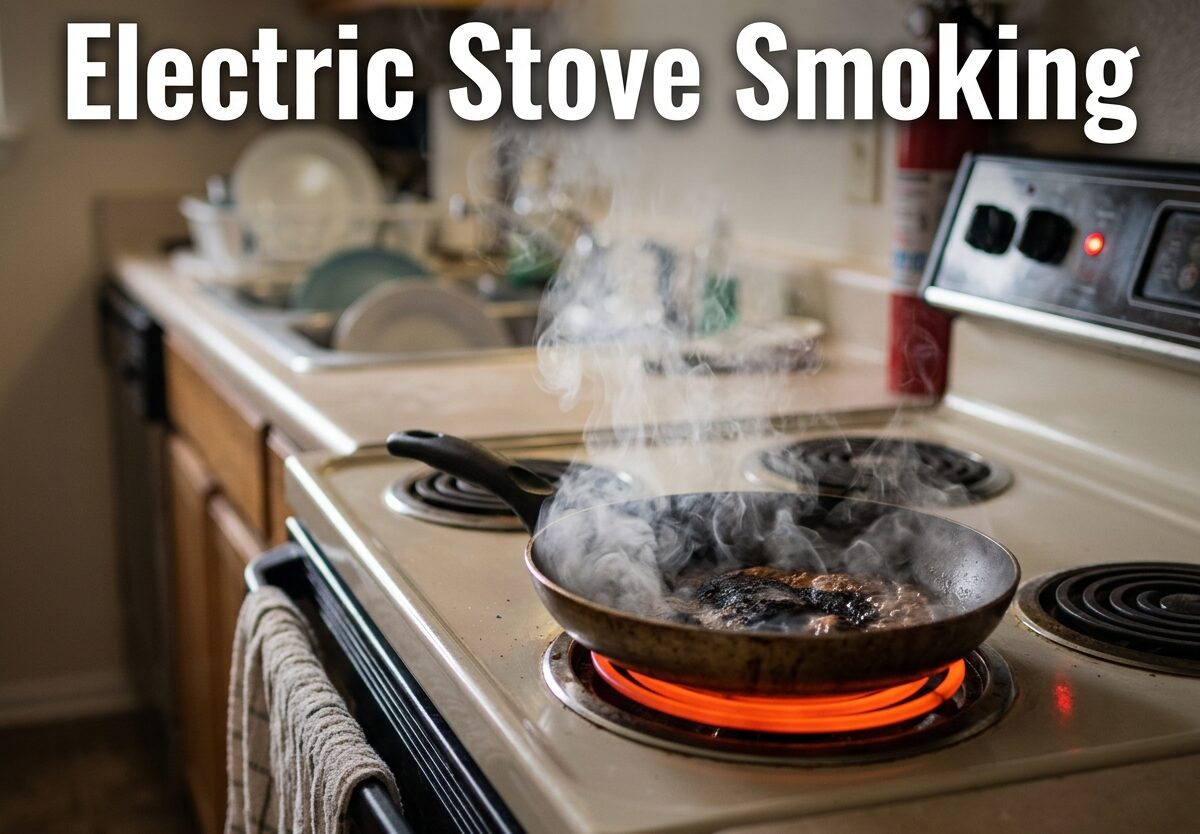
Seeing smoke rise from your electric stove can be alarming, especially when you’re just trying to cook dinner. I’ve been there, and I understand the immediate panic that sets in. Electric stove smoking is actually a common issue that affects most owners at some point, whether you have a brand new appliance or one that’s served your family for years.
The good news is that most smoking issues are harmless and easy to fix. Based on my research and real user experiences from appliance forums, I’ll walk you through exactly what’s causing the smoke and how to stop it safely.
Quick Troubleshooting Checklist
Before diving into detailed causes, here’s the fastest way to identify your issue:
- Is this a brand new stove? Normal burn-off smoke lasts 15-60 minutes
- Did you recently clean the burners? Cleaner residue can cause smoking
- Do you see visible food or grease on the coils? This is the most common cause
- Is the smoke coming from one specific burner? Likely a faulty element
- Does the smoke smell like burning plastic or chemicals? Could be an electrical issue
Electric Stove Smoking: Common Causes and Solutions
Understanding why your electric stove is smoking is the first step toward fixing it. Let me break down the five most common causes based on appliance repair data and real user experiences.
1. New Appliance Burn-Off (Normal)
If you just purchased a new electric stove, some smoking during first use is completely normal. Manufacturers apply protective coatings to heating elements during production, and these coatings burn off when heated for the first time.
I’ve seen many Reddit users report this exact concern. The smoke typically appears as a white or gray haze and smells like industrial chemicals. This process usually lasts 15-60 minutes of total burner use time across all burners.
What to do: Turn on each burner on high heat in a well-ventilated area. Open windows and turn on your range hood. If the smoke persists beyond 60 minutes of use, contact the manufacturer.
Important safety note: If you have pet birds, remove them from the home during the burn-off period. Birds are extremely sensitive to the fumes from new appliance coatings, and there have been reports of bird deaths from this type of exposure.
2. Food and Grease Buildup (Most Common)
This is by far the leading cause of electric stove smoking. Every time you cook, small amounts of food, oil, and grease splatter onto your burners and drip pans. Over time, this residue accumulates and burns whenever you turn on the stove.
The smoke usually smells like burnt food and ranges from light gray to dark gray depending on how much buildup is present. I’ve found that grease underneath drip pans is particularly problematic because it’s hard to see and often gets ignored during routine cleaning.
The solution: Regular cleaning is your best defense. Clean your burners and drip pans at least once a month, or immediately after major spills. I’ll cover the exact cleaning process in the step-by-step section below.
3. Cleaner Residue After Cleaning
Ironically, cleaning your stove can actually cause smoking if not done properly. Many cleaning products leave behind residue that burns and creates smoke when the burner heats up.
This typically happens right after cleaning and produces a chemical-smelling smoke. The issue is most common with spray cleaners that aren’t fully wiped away, or abrasive cleaners that leave behind powder residue.
Prevention: After cleaning any burner component, wipe it down with a damp cloth to remove cleaner residue, then dry thoroughly. Never spray cleaner directly onto burners—spray it onto your cloth instead.
4. Faulty Heating Element (Potential Fire Hazard)
A damaged heating element is a more serious issue that requires immediate attention. Signs of a faulty element include visible cracks, blisters, or uneven heating patterns on the coil itself.
When a heating element fails, it can short circuit and produce smoke that smells like burning plastic or electrical wiring. This smoke may appear even when the burner isn’t being actively used for cooking.
Red flags: If you see sparks, notice the burner glowing unevenly, or smell something that resembles burning electronics rather than food, turn off the breaker to your stove immediately and call a professional.
5. Damaged Burner Socket or Wiring
The burner socket (where the heating element plugs into the stove) can corrode or become damaged over time, especially if liquid has spilled into it. This can cause electrical arcing, which produces smoke and poses a fire risk.
Socket issues typically affect only one burner and may cause the burner to work intermittently or not at all. You might notice charring around the socket area or see that the burner’s prongs are discolored.
Action required: Socket replacement is not a DIY-friendly repair. Call an appliance technician if you suspect this issue.
How to Fix a Smoking Electric Stove: Step-by-Step Guide
Now that you understand the causes, let me walk you through exactly how to clean and inspect your electric stove to stop the smoking.
Tools You’ll Need
- Mild dish soap
- Warm water
- Soft sponge or cloth
- Old toothbrush for crevices
- Baking soda (for tough grease)
- White vinegar (for stubborn residue)
- Replacement drip pans (if yours are heavily damaged)
Step 1: Safety First
Before starting any cleaning or inspection, ensure all burners are completely cool. Turn off the stove at the control panel and unplug it if possible. If your stove is hardwired, turn off the breaker at your electrical panel.
Step 2: Remove and Inspect Burners
Most coil burners simply pull straight out of their sockets. Gently wiggle and pull each coil until it detaches. For smooth-top stoves, skip this step as the heating elements are beneath the glass surface.
Once removed, inspect each coil carefully. Look for cracks, blisters, or uneven coils. If you find any damage, replace the element rather than attempting to clean it.
Step 3: Clean Burner Coils Properly
Wipe each coil with a damp cloth and mild dish soap. For stubborn buildup, make a paste of baking soda and water, apply it to the affected areas, and let it sit for 15 minutes before scrubbing gently with your toothbrush.
Rinse the coils with a damp cloth and dry them completely before reinstalling. Never submerge coil burners in water—the electrical connections can be damaged.
Step 4: Clean Drip Pans and Underneath Area
This is the step most people miss, but it’s crucial for stopping persistent smoking. Remove the drip pans and wash them in hot soapy water. If they’re heavily damaged or have grease baked into them that won’t come off, replace them—they’re inexpensive and available at most hardware stores.
While the drip pans are out, clean the area beneath them. This is where hidden grease accumulates. Use your vacuum’s crevice tool to remove any loose debris, then wipe with a damp cloth.
Step 5: Check the Burner Socket
Inspect the socket where the burner plugs in. Look for corrosion, charring, or debris. If you see any damage, do not reinstall the burner. This requires professional repair.
If the socket looks clean, simply wipe it with a dry cloth to remove any dust or debris.
Step 6: Reassemble and Test
Once everything is clean and completely dry, reinstall the drip pans and coils. Plug the stove back in or turn on the breaker. Turn each burner to high for 2-3 minutes to burn off any remaining cleaning residue.
You may notice light smoking during this test burn—that’s normal as any remaining moisture evaporates. If the smoking continues beyond 5 minutes or is heavy, double-check that all components are dry and properly seated.
Safety Precautions When Dealing with Smoking Stoves
While most electric stove smoking is harmless, it’s important to prioritize safety. Here are the key precautions I recommend:
- Never leave a smoking stove unattended. Even if you believe it’s just food residue burning off, stay in the kitchen until the smoke clears.
- Keep a fire extinguisher nearby. Class ABC extinguishers work on all types of fires, including electrical and grease fires.
- Don’t use water on a grease fire. Water can spread burning grease and make the fire worse. Smother grease fires with a metal lid or use baking soda.
- Protect your pets. As mentioned earlier, birds are extremely sensitive to fumes from new appliances and certain cleaning products. Remove them from the area during any burn-off procedures.
- Ensure proper ventilation. Always use your range hood or open windows when dealing with smoking issues. This prevents smoke buildup and reduces the risk of triggering smoke detectors.
When to Call a Professional
While many smoking issues can be resolved with proper cleaning, some situations require professional intervention. Call an appliance repair technician if you experience:
- Smoke that smells distinctly like burning plastic or electrical wiring
- Visible sparks coming from any burner
- Burners that won’t heat evenly or at all
- Frequent tripping of your circuit breaker when using the stove
- Visible damage to burner sockets or wiring
- Smoking that persists despite thorough cleaning
FAQ
These symptoms can indicate serious electrical problems that pose fire hazards. Don’t attempt to repair internal components yourself unless you have specific training in appliance repair.
Is it normal for a new electric stove to smoke?
Yes, some smoking during first use is completely normal for new electric stoves. Manufacturers apply protective coatings to heating elements that burn off during initial use. This typically lasts 15-60 minutes of total burner time and produces white or gray smoke with a chemical smell. Ensure proper ventilation and remove birds from the home during this period.
How to get an electric stove to stop smoking?
To stop your electric stove from smoking, first identify the cause. For grease and food buildup: remove burners and drip pans, clean thoroughly with soap and water, dry completely, then reinstall. For new stoves: burn off protective coatings by running burners on high for 15-60 minutes with windows open. For cleaner residue: wipe components with a damp cloth after cleaning. If smoking persists or smells like burning plastic, call a professional.
Why is my stove suddenly smoking?
Sudden smoking usually indicates one of three issues: accumulated food and grease buildup that’s now burning off, cleaner residue from recent cleaning, or a failing heating element. Check if the smoke smells like food (cleaning needed) or like plastic/electrical burning (professional repair needed). Inspect burners for visible damage and clean all components thoroughly.
Will the smoke go away on its own?
For new stoves, yes—the burn-off smoke will go away on its own after 15-60 minutes of use. For existing stoves with grease or food buildup, the smoke will not resolve without cleaning. In fact, it will likely get worse as more residue accumulates. For electrical issues, smoke will not go away and requires immediate professional attention.
How long does new stove burn-off last?
New stove burn-off typically lasts 15-60 minutes of total burner operation time across all burners. This doesn’t mean 60 continuous minutes—one 10-minute burn per burner over several days is sufficient. If smoke persists beyond 60 minutes of total use, contact the manufacturer as this may indicate a defect.
Conclusion
Electric stove smoking is a common problem that usually stems from simple issues like food residue, grease buildup, or new appliance coatings. By following the cleaning steps I’ve outlined and staying alert to warning signs, you can resolve most smoking issues safely and effectively.
Remember: regular maintenance is your best prevention. Clean your burners and drip pans monthly, address spills immediately, and never ignore smoke that smells like burning plastic or electrical wiring. When in doubt, consult a professional—your safety is worth more than the cost of a service call.
Leave a Comment