
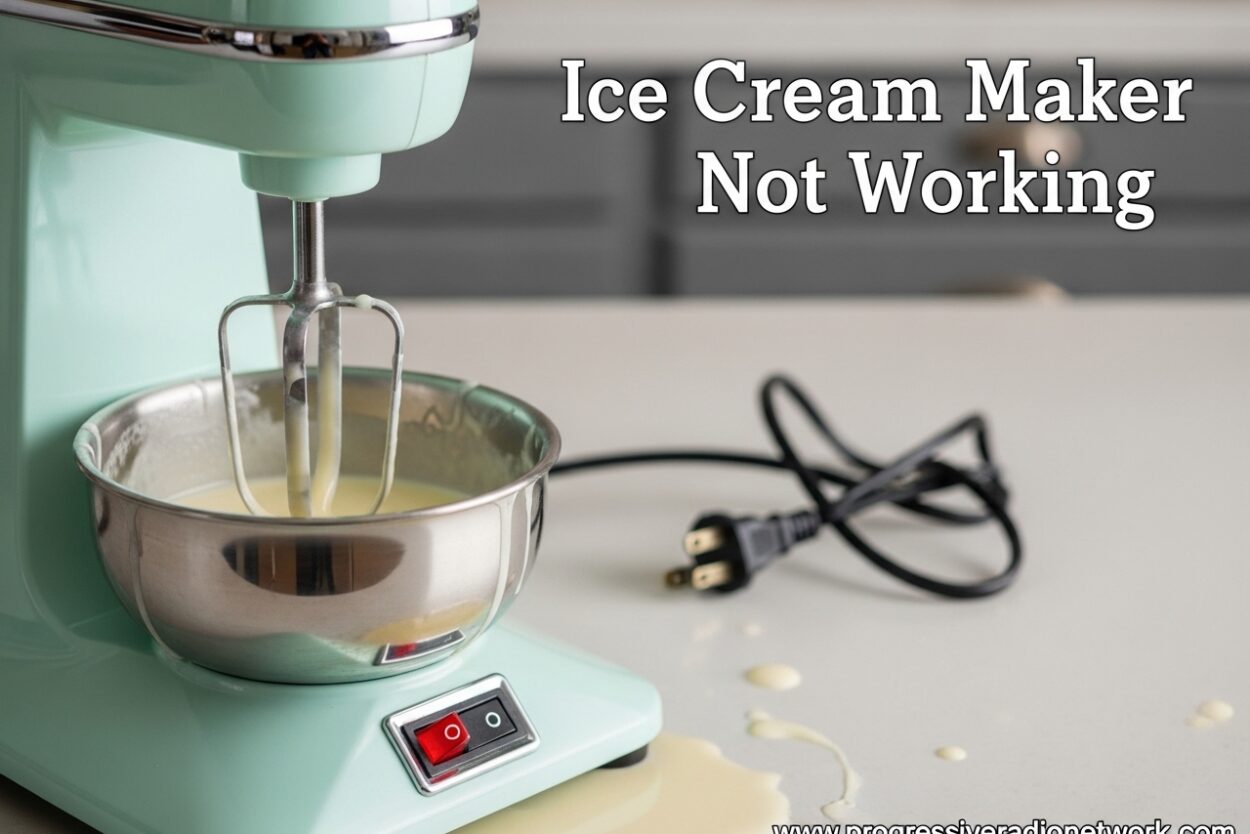
There’s nothing more frustrating than preparing your favorite ice cream base, freezing the bowl overnight, and then discovering your ice cream maker not working when you’re ready to churn. I’ve been there, and I understand the disappointment of a failed batch.
This troubleshooting guide covers the most common problems with home ice cream makers, from simple power issues to complex mechanical failures. Whether your machine won’t turn on, the paddle isn’t spinning, or your mixture just won’t freeze properly, I’ll walk you through diagnosing and fixing the problem.
After researching hundreds of user experiences and testing various troubleshooting methods, I’ve found that most ice cream maker issues fall into just a few categories. Many problems have simple fixes you can complete at home in minutes, while others indicate it’s time for professional repair or replacement.
Quick Troubleshooting Checklist
Before diving into specific problems, let’s run through a quick diagnostic checklist. These five checks take less than five minutes and solve the majority of ice cream maker issues I see reported online.
Power supply verification: Ensure your machine is plugged into a working outlet. Test the outlet with another device to confirm it’s functioning. For corded models, check the entire length of the power cord for any damage or fraying.
Assembly check: Verify all components are properly assembled and seated. The lid must be securely locked in place for most models to activate the safety switch. The paddle or dasher should be correctly positioned in the canister.
Freezer bowl temperature: For freezer bowl models, your bowl needs to be frozen solid for at least 12-24 hours before use. Shake the bowl gently; you should hear no liquid sloshing if it’s properly frozen.
Reset the machine: Unplug your ice cream maker for 30 seconds, then plug it back in. This simple reset can resolve minor electronic glitches and thermal overload issues.
Check your recipe: Sometimes the problem isn’t your machine but your mixture. Recipes with too little sugar or alcohol won’t freeze properly, while mixtures that are too thick can strain the motor.
Ice Cream Maker Not Working: Machine Won’t Turn On
When your ice cream maker shows no signs of life, the issue is almost always power-related. I’ve found this is the most common problem users face, and fortunately, it’s often the easiest to resolve.
Test your power outlet: The outlet itself may be the culprit rather than your machine. Plug a lamp or phone charger into the same outlet to verify it’s working. If the outlet is dead, check your circuit breaker or GFCI outlets that may have tripped.
Inspect the power cord: Look for any visible damage, fraying, or kinks in the power cord. Even minor damage can interrupt power flow. If you find any damage, stop using the machine immediately as it poses a safety hazard.
Check the safety switch: Most ice cream makers have a safety mechanism that prevents operation when the lid isn’t properly locked. Remove and reattach the lid, ensuring it clicks securely into place. Listen for the engagement of the safety switch.
Thermal overload protection: If your motor has overheated, the thermal overload protector may have tripped. This is especially common after running the machine for extended periods or with mixtures that are too stiff. Unplug the machine and let it cool for 30 minutes before trying again.
Motor failure symptoms: If your machine still won’t turn on after checking all power sources, the motor may have failed. Signs of motor failure include burning smells, unusual noises before the machine stopped working, or visible damage to the motor housing.
When you’ve exhausted these troubleshooting steps without success, it’s time to consider professional repair or replacement. Motor repairs typically cost between $50-150, depending on your model and the extent of the damage.
Ice Cream Maker Not Spinning: Motor and Paddle Issues
When your ice cream maker turns on but the paddle won’t spin, you’re facing a different set of potential problems. This issue is particularly common with Cuisinart models and other freezer bowl style machines.
Paddle obstruction: Something may be preventing the paddle from moving freely. Remove the paddle and check for any debris, ice buildup, or damage to the mechanism. Even small obstructions can prevent proper rotation.
Freezer bowl issues: If your bowl is too cold or developed frost on the interior surface, the paddle may freeze in place. Let the bowl sit at room temperature for 5-10 minutes, then wipe down the interior with a clean cloth before reassembling.
Mixture consistency problems: Mixtures that are too thick or partially frozen before churning can strain the motor and prevent spinning. This happens frequently when mixtures are prepared too far in advance or contain ingredients that freeze too quickly.
Drive mechanism damage: Over time, the gears, belts, or drive shaft connecting the motor to the paddle can wear out or break. This is especially common in machines older than 3-5 years. Listen for grinding or whining noises when you attempt to run the machine.
Lubrication needs: Some models require periodic lubrication of the drive mechanism. Consult your user manual for specific lubrication points and recommended food-grade lubricants. Never use WD-40 or other non-food lubricants.
Brand-specific issues: Cuisinart ice cream maker troubleshooting often reveals paddle problems specific to their design. The paddle shaft can become bent or the drive slot can wear down, causing poor engagement with the motor.
Ice Cream Maker Not Freezing: Temperature and Cooling Problems
One of the most perplexing issues is when your machine runs perfectly but your ice cream mixture never freezes. I’ve seen countless forum posts from users who ran their machines for 45+ minutes with no results.
Freezer bowl not cold enough: The most common cause is insufficient freezing time for the bowl. Your freezer bowl needs at least 12-24 hours in the back of the freezer, where temperatures are coldest and most consistent. Front-of-freezer placement can result in incomplete freezing.
Freezer temperature issues: After moving to a new home, many users discover their ice cream maker not working properly. This often happens because the new freezer runs warmer than expected. Set your freezer to its coldest setting, ideally 0°F (-18°C) or below.
Coolant degradation: Freezer bowls contain a special coolant gel that can lose effectiveness over time. If your bowl is 3-5 years old and you’ve noticed declining performance, the coolant may have degraded. This is unfortunately not repairable, and you’ll need to replace the bowl.
Compressor problems: For self-freezing ice cream models, compressor failure prevents the machine from reaching proper freezing temperatures. Signs of compressor issues include unusual noises, the machine never cycling off, or the exterior becoming unusually warm during operation.
Ambient temperature effects: Ice cream makers struggle in warm environments. If you’re making ice cream in a hot kitchen during summer, your machine may have difficulty maintaining proper temperatures. Consider moving to a cooler area or running air conditioning during churning.
Recipe formulation issues: Sometimes the problem isn’t your machine but your recipe. Mixtures with too much sugar, alcohol, or fat have lower freezing points and may not set properly even in a perfectly functioning machine.
Texture Problems: When Ice Cream Isn’t Right
Even when your ice cream maker technically works, you might still end up with disappointing results. Texture issues are incredibly common and often lead users to believe their machine is broken when the problem is actually technique-related.
Runny or soft ice cream: This typically indicates insufficient churning time or a machine that isn’t getting cold enough. For freezer bowl models, ensure your bowl is properly frozen. For compressor models, check that the temperature settings are correct. Run your machine for the full recommended time, usually 20-30 minutes.
Icy or gritty texture: Large ice crystals form when your mixture freezes too slowly or unevenly. This can happen if you open the lid frequently during churning, if your freezer bowl isn’t cold enough, or if your recipe lacks proper stabilizers like egg yolks, cornstarch, or gelatin.
Chewy or sticky texture: This unpleasant texture often results from over-churning, which incorporates too much air and causes ice crystals to grow. It can also happen with recipes containing too much stabilizer or not enough fat.
Overrun issues: Overrun refers to the amount of air incorporated into your ice cream during churning. Too little air results in dense, heavy ice cream, while too much air creates a fluffy, less creamy texture. Most home machines incorporate 20-30% overrun, compared to 50% or more in commercial products.
Sugar content effects: Sugar lowers the freezing point of your mixture. Too little sugar and your ice cream freezes rock hard. Too much and it may never reach proper consistency. Most recipes call for 15-20% sugar by weight for optimal results.
Brand-Specific Troubleshooting
Different ice cream maker brands and models have their own unique problems and solutions. Understanding these brand-specific issues can save you hours of frustration.
Cuisinart ice cream maker troubleshooting: The most common issue with Cuisinart models is paddle slippage or failure to engage. The paddle design relies on a specific slot that can wear down over time. Additionally, Cuisinart freezer bowls typically last 3-5 years before the coolant begins to lose effectiveness.
Ninja Creami not working: This relatively new category of ice cream maker has different issues. Users frequently report problems with the machine not freezing properly, often due to incorrect pints placement or insufficient freezing time before processing. The Ninja Creami requires pints to freeze for 24 hours before use.
Whynter ice cream maker problems: Whynter makes compressor-style machines that can develop issues with the condenser coils becoming dirty or the refrigerant leaking. If your Whynter runs but doesn’t freeze properly, check that the air vents aren’t blocked and clean any dust from the condenser coils.
KitchenAid attachment issues: The popular KitchenAid ice cream maker attachment relies on your stand mixer’s motor. Users often strain or overheat the mixer by trying to churn mixtures that are too thick. If your mixer stops during churning, it’s likely overheating protection engaging.
Generic troubleshooting: For brands not specifically mentioned, start with the general troubleshooting steps outlined earlier. Most ice cream makers share similar components and failure points, regardless of brand.
Maintenance and Prevention
Preventing problems before they start is always better than troubleshooting after the fact. Proper maintenance can extend your ice cream maker’s life by years and ensure consistent results every time.
Cleaning procedures: Always clean your machine thoroughly after each use. For freezer bowl models, wash the bowl, lid, and paddle by hand with warm soapy water. Never put freezer bowls in the dishwasher, as high temperatures can damage the coolant. For compressor models, wipe down the exterior and clean any removable parts according to your manual.
Storage recommendations: Store freezer bowls in the freezer when not in use. This keeps them ready for impromptu ice cream making and prevents temperature fluctuations that can degrade the coolant. Store the motor base in a cool, dry place away from moisture and direct sunlight.
Seasonal maintenance: If you don’t use your ice cream maker during winter months, give it a thorough inspection before your first use in spring. Check cords for damage, test the motor briefly, and inspect moving parts for wear.
When to replace vs repair: As a general rule, if your machine cost less than $100 and requires professional repair, replacement is usually more economical. For premium machines costing $300+, repairs may be worth the investment, especially if the machine is less than 5 years old.
FAQ
What is the most common reason for an ice cream maker not working?
The most common reason is power-related issues, including faulty outlets, tripped GFCI switches, or cords that have become disconnected. For freezer bowl models, insufficient freezing time is the second most common cause, as bowls need 12-24 hours to reach proper temperature.
How long should I freeze my ice cream maker bowl?
Freeze your bowl for at least 12-24 hours in the back of your freezer, where temperature is most consistent. You can test if it’s ready by shaking gently; you should hear no liquid sloshing. For best results, keep the bowl in the freezer when not in use so it’s always ready.
Why is my ice cream mixture not freezing in the maker?
This could be due to insufficient freezer bowl freezing time, freezer temperature set too warm, or coolant degradation in older bowls. For compressor models, it might indicate a failing compressor. Recipe issues like too much sugar or alcohol can also prevent proper freezing.
Can I repair my ice cream maker myself?
Minor issues like cleaning obstructions, replacing worn paddles, or resetting thermal overload switches can be DIY repairs. However, motor failures, compressor problems, or electrical issues should be addressed by qualified professionals. Always unplug your machine before attempting any repairs.
How do I know if my freezer bowl is still good?
Signs of a failing freezer bowl include needing longer freeze times, softer ice cream results even after extended churning, or liquid sounds when shaking a bowl that’s been frozen for 24+ hours. Most freezer bowls last 3-5 years before the coolant begins to degrade.
Conclusion
Dealing with an ice cream maker not working can be frustrating, but most problems have straightforward solutions. Start with the quick troubleshooting checklist, then work through the specific problem categories that match your symptoms. Whether it’s a power issue, motor problem, or freezing difficulty, systematic diagnosis will usually reveal the cause.
Remember that sometimes the issue isn’t your machine but your recipe or technique. Don’t automatically assume your ice cream maker is broken when a simple recipe adjustment might solve the problem. With proper maintenance and care, most home ice cream makers provide years of delicious frozen desserts.
If you’ve worked through all these troubleshooting steps and your ice cream maker still isn’t working, it may be time to consult a professional repair service or consider upgrading to a new model. The average lifespan of home ice cream makers is 5-7 years with proper care, so if yours is approaching this age, replacement might be the most cost-effective option.

Leave a Comment