
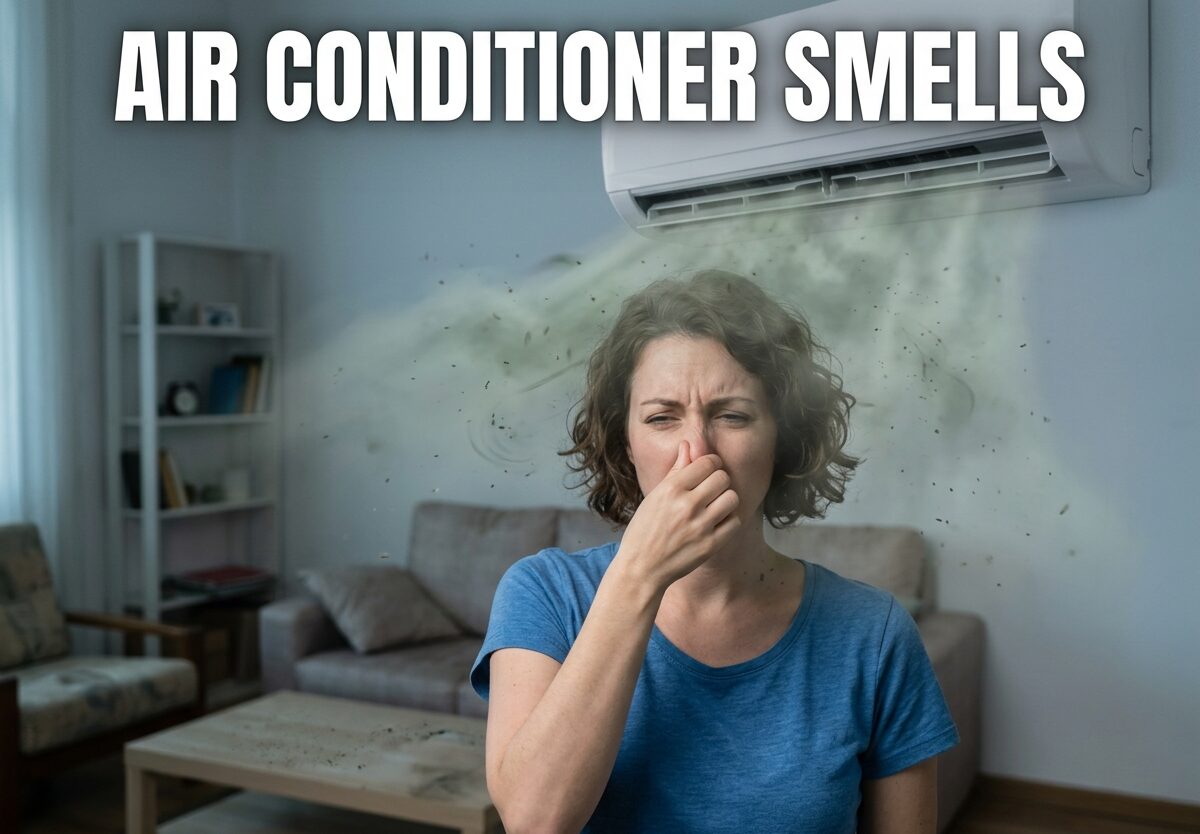
That first blast of cool air from your AC shouldn’t come with a side of funky odor. If you’re noticing unusual air conditioner smells, you’re not alone—this is one of the most common HVAC complaints homeowners face. Understanding what these smells mean and how to address them can protect your health, prevent costly repairs, and keep your home comfortable all summer long.
Whether you’re dealing with a musty smell when your AC first turns on, something burning, or an odor that defies description, most air conditioner smells stem from a handful of identifiable causes. The good news is that many of these issues you can fix yourself with basic tools and a bit of know-how.
Should I Turn My AC Off If It Smells?
Yes, you should turn off your air conditioner immediately if you notice certain types of smells. Burning odors, electrical smells, or anything resembling rotten eggs or gas require immediate shutdown and professional attention. These smells can indicate fire hazards, electrical problems, or dangerous gas leaks that could put your family at risk.
For musty or mildew odors, you can continue running the AC temporarily while you investigate, but you’ll want to address the issue quickly. Mold and bacteria can spread through your ductwork and affect your home’s air quality, potentially triggering allergies and respiratory issues.
Common Air Conditioner Smells and What They Mean
Musty or Moldy Smell (Dirty Sock Syndrome)
The most common AC odor is that signature musty smell, often described as dirty socks, gym clothes, or wet dog. This occurs when mold and bacteria grow on your evaporator coil, typically caused by excess moisture that doesn’t drain properly. When your AC runs, it dehumidifies the air, creating condensation that should drain away. If water pools in the drain pan or the coil stays too wet, microorganisms thrive and release those characteristic odors.
This smell is most noticeable when you first turn on your AC after it’s been sitting idle, particularly at the start of cooling season. The odor typically fades after running for a while but returns each time the system cycles off and back on.
Burning Smell
A burning smell from your air conditioner signals an electrical or mechanical problem that needs immediate attention. This could indicate frayed wiring, an overheating motor, or a failing compressor. In some cases, a burning plastic or rubber smell points to deteriorating components that could fail completely or cause an electrical fire.
If you notice a burning smell, turn off your AC immediately and check your air filter. A severely clogged filter can sometimes cause the system to overheat and produce a burning odor. If replacing the filter doesn’t resolve the issue within an hour, call a professional technician.
Rotten Eggs or Sulfur Smell
The rotten egg smell is the most dangerous odor you might encounter from your air conditioning system. This typically indicates a natural gas leak, which is extremely hazardous. While AC units themselves don’t use gas, if you have a gas furnace that shares the same ductwork, a leak could be circulating through your AC system.
If you smell rotten eggs, evacuate your home immediately and call your gas company or emergency services from outside. Don’t turn on any electrical switches, and don’t use your phone inside the house. This is a life-threatening situation that requires professional emergency response.
Chemical or Paint Thinner Smell
A chemical smell resembling paint thinner, acetone, or strong cleaning products often indicates a refrigerant leak. Freon and other refrigerants have a distinct sweet, chemical odor that becomes noticeable when the system develops a leak. Other chemical smells could come from fluids leaking onto hot components or off-gassing from new installation materials.
Refrigerant leaks reduce your system’s efficiency and can eventually cause compressor failure. If you suspect a refrigerant leak, contact a licensed HVAC technician to locate and repair the leak before recharging the system.
Exhaust or Fumes Smell
If your air conditioner smells like car exhaust or diesel fumes, you likely have a fluid leak somewhere in the system. This could be refrigerant or engine oil from the compressor, and the smell occurs when these fluids drip onto hot components inside the unit. The heating of these fluids creates fumes that circulate through your home’s ductwork.
This smell warrants a professional inspection to identify the source of the leak and prevent further damage to your system.
Stinky Feet or Gym Clothes Smell
The classic “stinky feet” odor is essentially a variation of dirty sock syndrome, caused by the same mold and bacteria growth on your evaporator coil. This smell is particularly common in humid climates where the coil struggles to fully dry between cooling cycles. The accumulated moisture creates a perfect breeding ground for odor-causing bacteria that produce that distinctive locker room smell.
Sewage or Wastewater Smell
A sewage smell coming from your AC vents typically indicates a problem with your plumbing, not the air conditioner itself. Sewer gas can enter your home through dried-out drain traps or cracked sewer lines, and your AC system circulates these odors throughout the house. If the smell is strongest near floor drains or bathrooms, you’re likely dealing with a plumbing issue rather than an AC problem.
Window AC vs Central AC: Why the Smell Differs
Window air conditioners and central AC systems develop odors for similar reasons, but window units are actually more prone to smell problems due to their design and installation. Understanding these differences can help you prevent and treat odors more effectively.
Window AC units sit directly in the opening, exposed to outdoor elements on all sides except the interior panel. This means rain, dust, pollen, and debris can easily enter the unit from the outside. Additionally, window units often don’t drain as efficiently as central AC systems—the condensate may pool in the bottom of the unit rather than draining away completely, creating a perfect environment for mold growth.
Central air conditioners have dedicated drainage systems with condensate pumps and properly sloped drain lines. The outdoor unit is separate from the indoor evaporator coil, which is protected inside your home. However, central AC ductwork can accumulate dust and debris over years of use, and if moisture enters the ducts, mold can grow in areas that are difficult to access and clean.
Window units are also more susceptible to “dirty sock syndrome” because they typically have smaller coils that don’t dry out completely between cycles. The compact design means everything is closer together, so any mold growth on the coil immediately affects the air quality in the room.
How to Diagnose Which Component Is Causing the Smell
Before you start cleaning or replacing parts, it helps to identify exactly which component is causing your AC odor. This diagnosis can save you time and money by targeting the specific problem rather than treating the entire system.
Start by changing your air filter and running the system for 24 hours. If the smell persists, the problem is likely not the filter. Next, check if the odor is coming from all vents or just specific rooms. A smell from only one or two vents suggests duct issues or problems in specific supply runs, while a smell from all vents points to the main indoor unit.
Turn off the AC and remove the access panel to your indoor unit. Look for visible mold on the evaporator coil (it may appear as black, white, or greenish fuzzy patches). Check the drain pan for standing water, which indicates a clogged drain line. Shine a flashlight into the condensate drain opening—if you see water backed up, you’ve found your problem.
For window units, remove the front grill and filter to inspect the coil directly. You may need to remove some screws to access the evaporator coil on older units. Look for debris buildup in the bottom of the unit and check that the drain holes on the exterior aren’t clogged.
Step-by-Step Guide: How to Remove Smell from Your Air Conditioner
Tools and Materials Needed
Before you begin, gather these supplies: screwdriver set, shop vacuum, wet/dry vacuum, coil cleaning solution (or a mixture of mild dish soap and water), stiff brush or coil brush, spray bottle, distilled white vinegar, bleach, rags or towels, and a replacement air filter. You may also need a fin comb if your evaporator coil fins are bent.
Step 1: Replace or Clean Air Filter
Start with the easiest fix first. A dirty air filter can restrict airflow and contribute to moisture problems. If your filter is disposable, replace it with a new one of the same size and MERV rating. If you have a washable filter, clean it according to the manufacturer’s instructions—typically by rinsing it with a garden hose and letting it air dry completely before reinstalling.
Step 2: Clean the Evaporator Coil
Turn off your AC at the thermostat and shut off power to the unit at the breaker. For central AC, remove the access panel to expose the evaporator coil. Apply coil cleaner according to the product instructions, or spray your mild soap solution generously over the coil. Let it sit for 10-15 minutes to break down dirt and kill mold, then rinse with a spray bottle filled with clean water. Avoid spraying directly into electrical components.
For stubborn buildup, use a soft brush to gently scrub the coil fins, being careful not to bend them. The fins are delicate and easily damaged, so use light pressure and work in the direction of the fins rather than across them.
Step 3: Clear the Condensate Drain Line
Locate the condensate drain line, which is typically a PVC pipe near your indoor unit. Use a wet/dry vacuum to suction out any clogs from the outdoor end of the line. For stubborn clogs, mix a solution of half cup bleach with one gallon of water and pour it slowly into the drain line from the indoor access point. Let it sit for 30 minutes, then flush with clean water.
For window units, locate the drain holes on the bottom or back exterior of the cabinet. Use a pipe cleaner or small piece of wire to clear any debris blocking these holes. You can also carefully tilt the unit slightly outdoors to allow accumulated water to drain out.
Step 4: Clean the Drain Pan
Remove the drain pan beneath your evaporator coil (if accessible) and wash it thoroughly with hot soapy water. For stubborn mold or slime, use a bleach solution of one part bleach to ten parts water. Rinse completely and dry before reinstalling. If the drain pan is rusted or damaged, consider replacing it to prevent future leaks.
Step 5: Disinfect the System
Once everything is clean, disinfect the system to kill any remaining mold spores. Mix a solution of equal parts white vinegar and water in a spray bottle and lightly mist the evaporator coil. Vinegar is effective at killing mold and is safe for your system. Alternatively, you can use a commercial coil disinfectant spray designed for HVAC systems.
For window units, you can place a pan of vinegar near the intake while the unit runs to help circulate the disinfecting vapor through the system. Run the fan only (not cooling) for about an hour after cleaning to help everything dry completely.
Seasonal Startup: Preventing AC Smells After Winter
That first AC start-up after winter often produces unpleasant smells, but you can prevent this with proper seasonal preparation. Before cooling season begins, remove the outdoor condenser unit cover and clear away any debris that has accumulated around it. Trim back vegetation at least two feet from the unit to ensure proper airflow.
Indoors, change your air filter and run the AC fan only for 30 minutes to circulate fresh air through the system before switching to cooling mode. This helps evaporate any moisture that may have accumulated during the off-season. Inspect the area around your indoor unit for any water stains or moisture issues that developed over winter.
Consider scheduling a professional tune-up before peak cooling season. A technician can clean components you can’t access, check refrigerant levels, and identify potential problems before they cause odors or breakdowns during the hottest days of the year.
When to Call a Professional
While many AC odors can be addressed with DIY cleaning, some situations require professional help. If you’ve cleaned the filter, coil, and drain lines but the smell persists, the problem may be deeper within the ductwork or internal components that require specialized equipment to access.
Call a professional immediately if you notice burning smells, electrical odors, or anything resembling gas or rotten eggs. These indicate potentially dangerous situations that require expert diagnosis. Also seek professional help if you suspect a refrigerant leak—only certified technicians can legally handle refrigerants and properly repair leaks.
Finally, if mold is visible in your ductwork or if multiple family members are experiencing unexplained allergy symptoms when the AC runs, have a professional assess your indoor air quality and duct cleanliness.
FAQ
How to fix a smelly air conditioner?
Start by replacing your air filter, then clean the evaporator coil with coil cleaner or a mild soap solution. Clear the condensate drain line using a wet/dry vacuum or flush with a bleach-water solution. Clean the drain pan thoroughly and disinfect with vinegar. Run the fan for an hour to dry everything before resuming cooling mode.
Should I turn my AC off if it smells?
Yes, turn off your AC immediately if you notice burning, electrical, rotten egg, or gas smells—these indicate dangerous conditions requiring professional attention. For musty or mildew odors, you can run the AC temporarily while investigating, but address the issue promptly to prevent mold spread and air quality problems.
What is the 3 minute rule for air conditioners?
The 3-minute rule recommends waiting 3 minutes after your AC turns off before restarting it. This prevents compressor damage by allowing pressure in the system to equalize. Restarting too soon can cause the compressor to overheat, fail prematurely, or trip the circuit breaker. Most modern ACs have built-in delays for this protection.
What does leaking freon smell like?
Freon and other refrigerants have a distinct sweet, chemical odor often described as similar to chloroform, acetone, or nail polish remover. The smell may be accompanied by a hissing sound near the unit, reduced cooling performance, or ice buildup on refrigerant lines. If you suspect a refrigerant leak, contact a licensed HVAC technician.
Why does my AC smell musty when first turned on?
Musty smells at startup typically indicate mold or bacteria growth on the evaporator coil from moisture that didn’t drain properly. The odor is strongest initially because the accumulated mold spores are being blown into your home. The smell often fades as the AC runs but returns each cycle. Regular coil cleaning and proper drainage prevent this issue.
How often should I clean my AC to prevent smells?
Clean or replace your air filter every 1-3 months depending on usage and air quality. Clean the evaporator coil annually before cooling season begins. Clear condensate drain lines every 3-6 months or whenever you notice slow drainage. Schedule professional maintenance every 1-2 years for thorough cleaning and inspection.
Is musty smell from AC dangerous?
Musty AC smells indicate mold and bacteria growth that can affect indoor air quality and trigger allergies, asthma attacks, or respiratory irritation. While not immediately life-threatening, prolonged exposure to mold spores can cause health issues. The smell also signals excess moisture problems that can damage your home if left unaddressed.
What causes dirty sock syndrome in AC?
Dirty sock syndrome is caused by mold and bacteria growing on the evaporator coil, typically due to excess moisture from poor drainage, high humidity, or an oversized unit that cycles too frequently. The microorganisms produce compounds that smell like dirty socks or gym clothes. Proper coil cleaning, improved drainage, and addressing humidity issues resolve the problem.
Conclusion
Understanding air conditioner smells empowers you to take action before minor issues become major problems. Most odors stem from mold growth, drainage issues, or dirty components—all preventable with regular maintenance and prompt attention when smells first appear. By following the cleaning steps outlined above and implementing seasonal prevention measures, you can keep your AC smelling fresh and operating efficiently for years to come.
Remember that while DIY cleaning resolves many odor issues, some smells indicate serious problems requiring professional expertise. When in doubt, especially with burning or gas-related odors, err on the side of caution and call a licensed HVAC technician to protect your home and family.



Leave a Comment