
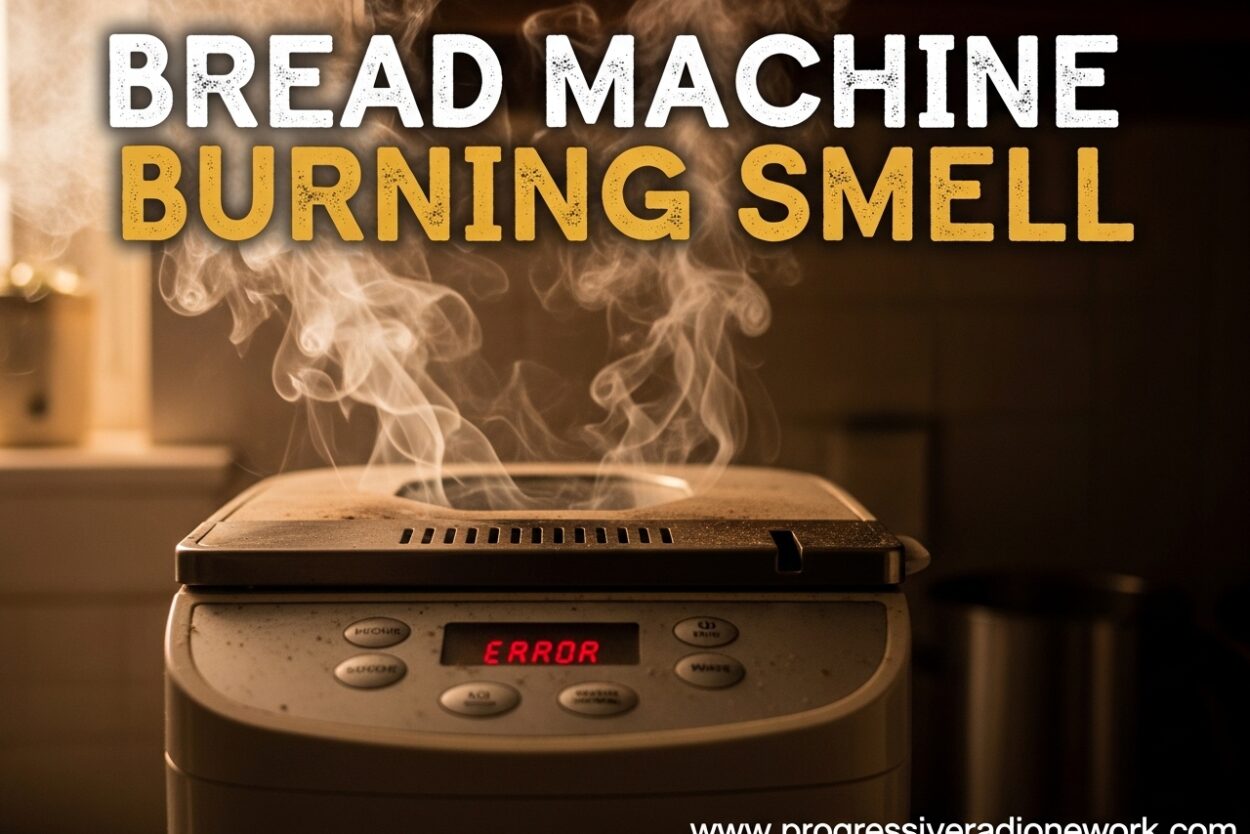
That acrid burning smell wafting from your bread machine can stop you in your tracks. I’ve been there – you’re excited for fresh homemade bread, but instead you’re worried your kitchen appliance might be on fire.
A bread machine burning smell is actually quite common, and the causes range from completely normal to potentially serious. After researching hundreds of user experiences and manufacturer guidelines, I’ll help you identify what’s happening with your machine and exactly what to do about it.
Common Causes of Bread Machine Burning Smell
The burning smell from your bread machine typically comes from one of five sources. Understanding which one you’re dealing with is the first step to fixing the problem.
- Spilled ingredients on the heating element – This is the most common culprit. When flour, sugar, or dough overflows from the bread pan and lands on the exposed heating element at the bottom, it burns instantly and produces that distinctive odor.
- New machine manufacturing oils – Brand new bread machines often have protective oils and residues from the manufacturing process. These burn off during the first few baking cycles, creating a chemical or plastic-like smell that usually disappears after 3-5 uses.
- Overflowing dough – Using too much yeast or flour can cause your dough to rise excessively and spill over the pan edges. Once this dough hits the hot components, you’ll get burning smells and potentially smoke.
- Old residue buildup – If you bought a second-hand machine or haven’t cleaned yours thoroughly, old food residues from previous baking sessions can burn each time you use the appliance.
- Electrical or motor problems – Rare but serious, electrical issues can produce a burning plastic or ozone smell. This usually indicates a component failure that requires professional repair or replacement.
New Machine Smell vs Problem Smell: What’s Normal
Distinguishing between normal new machine odors and concerning smells can save you unnecessary worry – or prevent a dangerous situation. Here’s how to tell the difference.
A normal new bread machine smell typically appears during the first 3-5 baking cycles and gradually diminishes with each use. This odor is usually mild, smells somewhat like manufacturing chemicals or light plastic, and doesn’t produce visible smoke. Many users report this smell completely disappears after the first week of regular use.
What’s NOT normal: persistent burning smells that don’t fade after 5-10 uses, strong chemical odors that make your eyes water, smoke coming from anywhere other than the vent area, or any smell accompanied by unusual sounds or sparks. These signs indicate a problem that needs attention before you continue using the machine.
Community forums like Reddit’s r/BreadMachines are filled with users who initially worried about new machine smells, only to find they completely disappeared within the first week. However, if your smell persists beyond this timeframe or intensifies, something else is likely going on.
When to Stop Using Your Bread Machine Immediately
Safety should always come first. Certain burning smell scenarios require you to stop using your bread machine immediately and unplug it from the power source.
If you notice any of these warning signs, discontinue use right away: strong burning plastic or chemical smells that don’t dissipate, visible smoke from anywhere other than the bread pan area, unusual buzzing, crackling, or popping sounds, sparks or flashes inside the machine, or a burning smell when the machine is running empty without ingredients.
These symptoms could indicate electrical problems, failing components, or potential fire hazards. Contact the manufacturer’s customer support if your machine is under warranty, or consider replacement if it’s an older model. No loaf of bread is worth risking a kitchen fire.
How to Clean Bread Machine Heating Element Safely
Cleaning your bread machine’s heating element requires care to avoid damaging this sensitive component. Follow these steps based on the severity of your burning smell issue.
Step 1: Safety First
Always unplug your bread machine and let it cool completely before attempting any cleaning. The heating element reaches temperatures of 350-450°F during baking and can cause severe burns if touched while hot. Wait at least 30 minutes after the baking cycle completes before beginning.
Step 2: Basic Cleaning for Minor Spills
For light residue or minor spills, use a slightly damp cloth with mild liquid detergent. Gently wipe the heating element and surrounding area, taking care not to apply excessive pressure or bend the element. Avoid using abrasive scrubbers, steel wool, or harsh chemicals that could damage the protective coating.
After wiping, use a clean dry cloth to remove any moisture before using the machine again. Never submerge your bread machine in water or pour liquids directly into the internal components.
Step 3: Vinegar and Water Method for Odor Removal
For persistent smells without visible residue, run a cleaning cycle with equal parts white vinegar and water in the bread pan. Select the shortest bake cycle (usually 1 hour) and let the machine run through the complete cycle. The vinegar vapors help neutralize odors without harsh chemicals.
After the cycle completes, wipe out the pan and interior with a clean damp cloth. You may need to repeat this process 2-3 times for stubborn smells. This method is highly recommended in bread machine communities and has worked for many users dealing with lingering odors.
Step 4: Baking Soda for Tough Odors
If vinegar alone doesn’t eliminate the smell, try placing an open container of baking soda inside the bread machine compartment (not in the pan) and leaving it closed for 24-48 hours. The baking soda will absorb persistent odors naturally. Afterward, run another vinegar cycle to freshen everything.
Preventing Dough Overflow: Size and Recipe Matters
Preventing burning smells starts with avoiding the most common cause – overflowing dough. Here are proven strategies to keep your ingredients where they belong.
Most bread machine burning smell incidents occur because users add too much flour or yeast. When measuring flour, avoid the “scoop and sweep” method which compacts the flour. Instead, use the spoon-and-level technique for accurate measurements. Even an extra quarter-cup of flour can cause overflow.
Yeast is another common culprit. High-altitude locations require less yeast than recipes specify, as lower air pressure causes dough to rise more aggressively. If you live above 3,000 feet, reduce yeast by 25% and flour by 10-15% to prevent overflow issues.
Always stay within your machine’s stated capacity limits. A 2-pound bread machine cannot handle 2.5-pound recipes, no matter how tempting. When trying new recipes, start with smaller batches to test how your particular machine handles them before scaling up.
Getting Rid of Stubborn Burning Smells
Sometimes, despite your best cleaning efforts, burning smells persist. These advanced solutions can help tackle the toughest odor problems.
For machines with lingering chemical or plastic smells that won’t go away after the break-in period, try running multiple empty bake cycles. Simply operate the machine with an empty bread pan (no water or ingredients) in a well-ventilated area. This “burn-off” process can help eliminate remaining manufacturing residues.
If you purchased a second-hand machine with a musty or burning metal smell, the vinegar cleaning method may need to be repeated 4-5 times. Between each cycle, thoroughly wipe down all accessible interior surfaces and leave the machine open to air out completely.
In rare cases where the smell persists despite thorough cleaning and multiple attempts, you may be dealing with a failing component. At this point, consider whether the machine is worth repairing or if replacement makes more sense – especially for budget models where repair costs might exceed the value of the appliance.
Frequently Asked Questions
Why does my bread maker smell like it’s burning?
A burning smell typically comes from spilled ingredients on the heating element, new machine manufacturing oils burning off, or overflowing dough that landed on hot components. Most cases are harmless and resolve with proper cleaning.
Is it normal for a bread maker to smoke?
Minor wisps of smoke during the first use are normal as manufacturing oils burn off. However, visible smoke after the initial uses indicates spilled food burning on the heating element or a more serious problem requiring immediate attention.
Is it harmful to smell burnt electronics?
Brief exposure to burning smells from kitchen appliances is generally not harmful. However, persistent strong chemical or plastic smells may indicate electrical issues and should be investigated. Always ensure proper ventilation when using appliances that produce unusual odors.
What neutralizes burnt smell in bread machines?
White vinegar and water baking cycles are highly effective at neutralizing burnt odors. Place equal parts vinegar and water in the bread pan and run a short bake cycle. For stubborn smells, baking soda placed inside the machine for 24-48 hours helps absorb lingering odors.
How long does new bread machine smell last?
New machine smell typically lasts 3-5 baking cycles and completely disappears within the first week of regular use. The burning smell should gradually diminish with each use. If it persists beyond 10 uses or intensifies, contact the manufacturer.
Why does my bread taste like plastic?
Plastic-tasting bread usually comes from new machine manufacturing residues or old food buildup on the heating element. Run several vinegar cleaning cycles and ensure thorough cleaning. If the taste persists after these steps, check if your bread pan is non-stick and not overheating.
Conclusion
Most bread machine burning smells are harmless and easily fixed with proper cleaning and a bit of patience. New machines need time to burn off manufacturing residues, while occasional spills are part of the learning curve. By following the cleaning methods and prevention tips outlined here, you’ll be back to baking delicious, odor-free bread in no time.
Remember to trust your instincts when it comes to safety. If something feels wrong – unusual sounds, persistent strong smells, or visible smoke – don’t hesitate to stop using the machine and seek professional advice. Your bread machine should enhance your kitchen experience, not create anxiety or safety concerns.


Leave a Comment